For Families
The Most Dangerous Thing We Say About Addiction

Do you remember coming home from school in fourth grade absolutely convinced you needed a brand-new pair of shoes? Not because yours were worn out. Not because they didn't fit. But because everyone else had them.
Your mom asked why. You said, "Because everyone is wearing them."
And that's when she asked the question that's been asked for generations: "Well, if everyone jumps off a bridge, are you going to jump too?"
Annoying at the time. But there was wisdom in it.
Just because something is commonly said doesn't make it true. And just because something is widely accepted doesn't mean it's actually helping anyone.
That matters more than we realize when we talk about addiction.
There's a phrase that gets repeated so often it's treated like settled fact. You hear it in recovery spaces, in conversations between parents, sometimes even in church.
"Once an addict, always an addict."
You've heard it. The person you love has heard it. And most people never stop to ask what that statement actually does to someone who's trying to rebuild their life.
Because if it's true, the implications are heavy.
It means the past always gets the final word. It means freedom is fragile at best. It means no matter how much someone changes, repents, grows, or rebuilds, addiction is still the truest thing about them. Always one mistake away from proving the label right.
That might sound realistic. It might even sound responsible.
But it doesn't line up with Scripture.
"If anyone is in Christ, he is a new creation. The old has passed away; behold, the new has come."2 Corinthians 5:17
That verse doesn't deny the past. It just refuses to let the past stay in charge.
In Christ, addiction may be part of someone's story, but it is no longer their identity. And that distinction matters more than most people realize.
Because identity shapes behavior far more than labels ever will.
When someone is told-explicitly or subtly-that addiction is who they are, vigilance slowly turns into fear. And fear is a terrible foundation to build a life on. Yes, wisdom matters. Boundaries matter. Accountability matters. But there is a difference between living alert and living afraid.
"God has not given us a spirit of fear, but of power and love and a sound mind."2 Timothy 1:7
Fear says, I'm always one step from failure.Wisdom says, I'm awake, humble, and walking forward.
Those are not the same thing.
The gospel does not promise a life without temptation. It does promise a life no longer defined by slavery to sin.
"In all these things we are more than conquerors through Him who loved us."Romans 8:37
That doesn't sound like someone permanently defined by their worst season. It sounds like someone learning how to live out a redeemed one.
And when someone begins to believe that their future is not chained to their past, something shifts.
Hope enters the room.
Not denial. Not pretending temptation doesn't exist. Real hope. The kind that says, I don't have to stay who I was.
For parents and families, this matters deeply. Because what you believe about who your son or daughter is will shape how you speak to them, how you relate to them, and what you quietly expect from them. Managing behavior without addressing identity leads to exhaustion. Restoration begins when we stop defining people by the very thing Christ came to redeem them from.
Permanent change is possible. Not because people are strong. But because Christ is faithful.
"I can do all things through Christ who strengthens me."Philippians 4:13
Helping the person you love see that their past can inform wisdom without dictating destiny may be one of the most important gifts you ever give them.
Just because everyone says something doesn't mean it's true.
And not everyone has to jump off the bridge.
Especially when there's another way forward.
Hear more on our podcast: From Addiction to Ministry
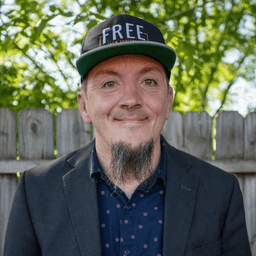
Justin Franich
Justin Franich is a Teen Challenge graduate who overcame a meth addiction and has been clean since 2005. He spent over a decade leading Christ‑centered recovery programs and now serves as Executive Director of Shenandoah Valley Adult Teen Challenge, helping families find the right path forward and supporting people as they rebuild life after addiction.
Read my story →You don't have to figure this out alone.
We help families find the right faith-based recovery program.
Get Help →Or call: 540-213-0571
This page came out of real ministry, not internet theory. We take the calls, help families think clearly, and point people toward Christ-centered programs that can actually walk with them. If that matters to you, help us keep doing it for the next family.
Related Articles
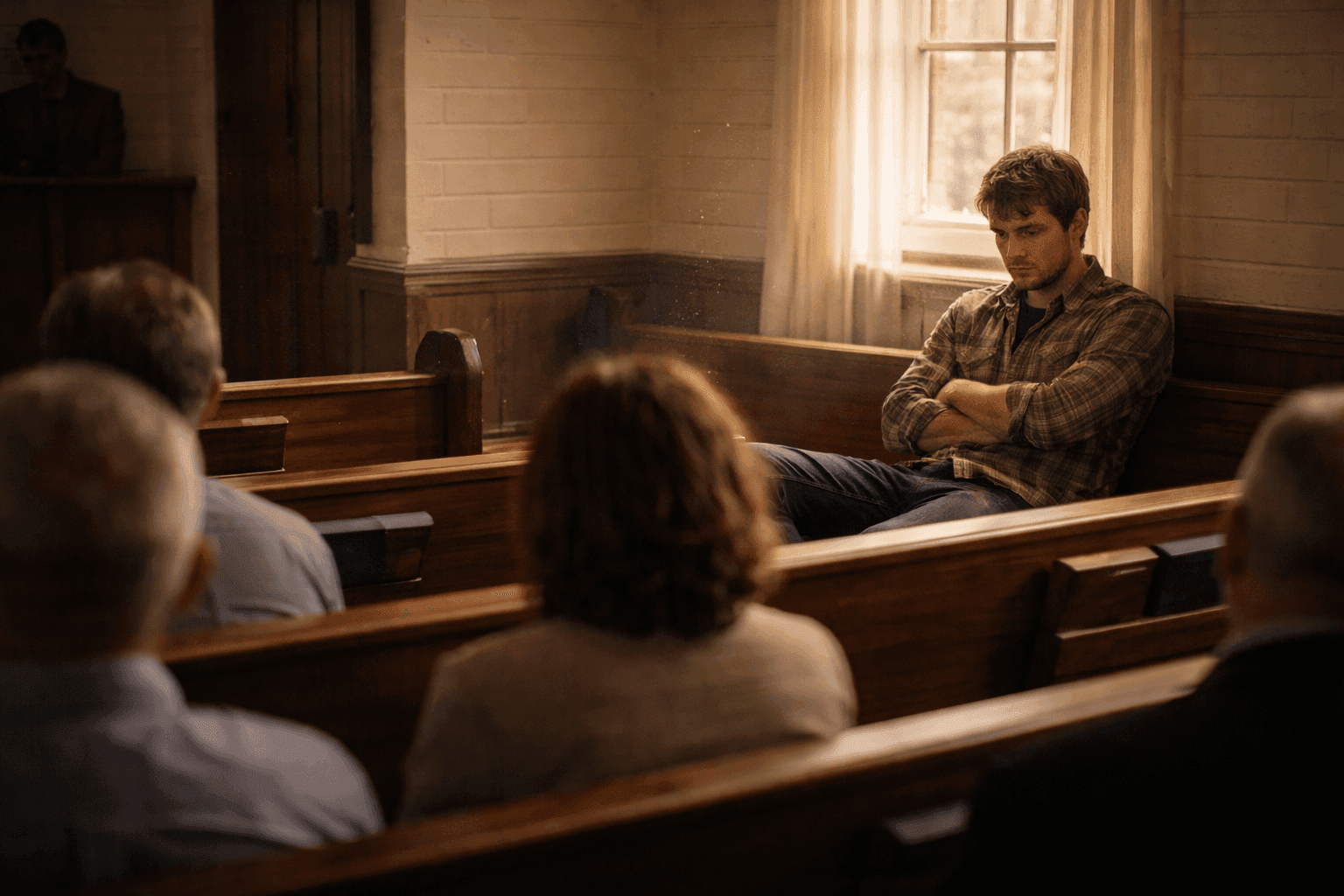
The Church Didn't Know What to Do With Me
I showed up high. I showed up hungover. I showed up for ten years on Christmas and Easter. And not once did anyone tell me there was an answer.

Am I Crazy for Supporting the Addict I Love?
Friends say to quit. Family says to move on. They call you crazy for still hoping. But holding onto faith, hope, and love-the things Scripture says last forever-isn't foolish. It's foundation.

How to Take Care of Yourself When a Loved One Is in Rehab
When the person you love enters a program, you finally have margin. For the first time in a long time, you're not fighting fires. What you do with that space matters-because they're not the only one who needs healing.

How to Cope with Being Apart from My Loved One
Distance hurts-whether it's miles of separation or the emotional absence of someone living under the same roof. Both situations ache deeply. But neither one is hopeless.