Faith-Based Recovery
Freedom After Addiction: From Sobriety to Purpose
Why sobriety is just the starting line, and what comes after you put the drugs down.
Most people think getting clean is the finish line.
It's not.
Sobriety is where the real work begins. It's where you start asking the questions that actually matter: Who am I now? What's my purpose? Did God save me just so I could spend the rest of my life white-knuckling my way through recovery meetings?
At Shenandoah Valley Teen Challenge, we've been in recovery ministry since 2000. For over 25 years we've walked alongside people rebuilding their lives after addiction. We've watched people get clean and stay miserable. They stack up time, check all the boxes, do everything their program tells them to do—and still feel empty. They're doing the work but feeling stuck despite doing everything right.
They're sober. But they're not free.
This is the complete guide to what we call “Rebuilding Life After Addiction”—a roadmap for people who are 6 to 24 months clean and starting to realize that not using isn't the same as actually living. Most programs do a decent job of addressing the crisis, but few prepare you for what happens when treatment ends.
If you're clean but not free yet, this is for you.
The Hard Truth
The Problem With Sobriety
Let us be blunt: You can be sober and still be miserable. We've seen it a thousand times. The guy who's been clean for 3 years but still hates himself. The woman who hasn't touched a drink in 18 months but lives in constant fear of relapse. The person who traded drug addiction for meeting addiction and can't function without their sponsor.
They're clean. But they're not free. Here's why sobriety alone isn't enough.
Sobriety Removes the Symptom, Not the Root
Drugs and alcohol aren't your problem—they're your solution to the problem. The actual problem is the pain, the trauma, the shame, the fear, the emptiness, the identity crisis that drove you to use in the first place. Drugs were just the numbing agent.
So you get clean and suddenly you're feeling everything you were avoiding for years. The anxiety hits. The depression resurfaces. The anger you never dealt with comes roaring back. The shame you've been running from catches up to you.
No wonder people relapse. You removed the medication without treating the wound.
Sobriety Focuses on Behavior, Not Identity
Most recovery programs teach you: Don't use. Avoid triggers. Go to meetings. Call your sponsor. All behavior management. But you're not a behavior to be managed—you're a person to be transformed.
2 Corinthians 5:17
“If anyone is in Christ, he is a new creation. The old has passed away; behold, the new has come.”
You're not “an addict trying not to use.” You're a new creation learning to walk in freedom. Big difference.
Sobriety Doesn't Answer “What Now?”
You get clean. Congratulations. Now what? What's your purpose? What are you living for? What did God save you for? Most programs don't answer these questions. They keep you focused on not using instead of why you're alive.
God didn't deliver you from bondage just so you could sit in the wilderness forever. He's got a promised land for you. But you have to be willing to leave the desert.
The Framework
The Prodigal Son Framework
So if sobriety isn't enough, what is? The answer is found in one of Jesus' most famous parables: The Prodigal Son.
You know the story. The younger son demands his inheritance early, blows it all on drugs and women and wild living, ends up broke and broken feeding pigs. He comes to his senses and heads home, ready to beg his father to let him be a servant.
But the father sees him coming while he's still a long way off. And instead of making him grovel, the father runs to him, embraces him, and gives him three specific gifts:
The Robe. The Ring. The Sandals.
The Robe
Identity
Who you are in Christ
The Ring
Authority & Peace
Access to the Father
The Sandals
Mission & Purpose
Where God is sending you
Gift #1
The Robe: Identity
In ancient culture, your robe identified who you were. Servants wore servant robes. Slaves wore slave clothes. Sons wore the family robe. When the father put the robe on the prodigal son, he was making a public declaration: “This is my son. Not a servant. Not a slave. Not a failure. My son.”
Most people in recovery are still wearing the wrong robe. They're wearing the “Addict” Robe, the “Shame” Robe, the “Victim” Robe, or the “Meeting Attender” Robe. But God is trying to give you a different robe. The “Beloved Child” Robe.
The Identity Crisis in Recovery
Here's the brutal truth: Your addiction gave you an identity. It told you who you were, where you belonged, what you were good at, and what your purpose was. When you get clean, you lose all of that. And now you're sitting in early recovery asking: “Who am I now?”
Most people try to answer that question with their trauma, their mistakes, or their recovery status. But God says: “You're my child. That's your identity. Everything else is just your story.”
This is what grace actually means—not a feeling you manufacture, but a declaration God makes over you. And this struggle isn't just for prodigals. Even those who “did everything right” struggle with identity and shame. The older brother in the parable was just as lost as the younger one. Religious performance creates its own kind of prison.
How to Put on the Robe
Stop introducing yourself as “an addict.” In recovery meetings, we get it—that's the culture. But everywhere else? You're not leading with your past. You're a person who happens to have a testimony of God's grace.
Renew your mind with Scripture. Your brain has been telling you lies for years. Time to reprogram it with truth.
1 John 3:1
“See what great love the Father has lavished on us, that we should be called children of God!”
2 Corinthians 5:17
“If anyone is in Christ, he is a new creation.”
Romans 5:8
“God demonstrates his own love for us in this: While we were still sinners, Christ died for us.”
Ephesians 1:4
“He chose us in him before the creation of the world to be holy and blameless in his sight.”
Surround yourself with people who see you as God sees you. If everyone around you still calls you “the addict” or treats you like you're one bad day away from relapse, you need new people.
Stop rehearsing your past. Your testimony matters. But if you're telling your drug story more than you're talking about Jesus, you're stuck. The goal isn't to forget your past—it's to not be defined by it.
“What I DID is real. Who I AM is redeemed.” Your status before God isn't based on your performance or your feelings. It's based on His declaration over you.
Gift #2
The Ring: Authority & Peace
The father's ring wasn't just jewelry—it was a signet ring, used to seal official documents and make decisions on behalf of the family. Giving the son the ring meant: You have authority in this house. You can make decisions. You're not powerless anymore. You have access to the Father.
Most people in recovery feel powerless. They've been told: “You're powerless over your addiction.” “You can't trust yourself.” “You need constant supervision.” While humility is important, there's a difference between humility and helplessness. The ring represents authority over your life.
The Peace Problem
Sobriety doesn't automatically bring peace. You can be clean and still be anxious about relapse, tormented by guilt, panicking about the future, or controlled by fear. Sobriety removes the drug, but it doesn't give you peace. Only Jesus does that.
Matthew 11:28-30
“Come to me, all who labor and are heavy laden, and I will give you rest. Take my yoke upon you, and learn from me, for I am gentle and lowly in heart, and you will find rest for your souls.”
Peace isn't the absence of struggle. Peace is knowing who you are (the robe), knowing whose you are (the ring), and trusting God even when life is hard.
How to Receive the Ring
Stop trying to earn God's approval. You already have it. You're already a son or daughter. The ring proves it. You don't work FOR acceptance—you work FROM acceptance.
Learn to go directly to God in prayer. You don't need a sponsor to talk to God. You don't need permission. You have the ring. You have access.
Hebrews 4:16
“Let us then with confidence draw near to the throne of grace.”
Deal with anxiety God's way. Anxiety isn't a relapse trigger you need to avoid—it's an invitation to run to the Father.
Philippians 4:6-7
“Do not be anxious about anything, but in everything by prayer and supplication with thanksgiving let your requests be made known to God. And the peace of God, which surpasses all understanding, will guard your hearts and your minds in Christ Jesus.”
Establish boundaries rooted in peace, not fear. The ring gives you authority to set boundaries from a place of strength: “I'm not going there because I choose peace over chaos.” “I'm protecting my family because I'm the head of this home.”
Gift #3
The Sandals: Mission & Purpose
In the ancient world, slaves went barefoot. Sons wore sandals. Sandals meant you were going somewhere. You had places to be. You had authority to represent the family. The sandals represent mission. You're not stuck in the pig pen anymore.
This is where most recovery stops—and where rebuilding life after addiction really begins. Recovery asks: “How do I stay clean?” Rebuilding asks: “What did God save me FOR?”
If your only goal is to not use, you're going to be miserable. You need something bigger than sobriety to live for.
The Mission Crisis
Most people hit this around 12–24 months clean. They've done the program. They've got their one-year chip. But inside they're asking: “Is this it? Am I just going to go to meetings for the rest of my life?”
They become meeting addicts, recovery influencers, professional victims, or spiritual burnout cases. Why? Because they never put on the sandals. They never asked: “What do you want me to DO, Father?”
The truth is, getting clean wasn't the hard part. The hard part is building a life worth staying clean for.
What God Saved You For
God didn't deliver you from addiction just so you could avoid drugs for the rest of your life, tell your testimony at every meeting, be a cautionary tale, or spend decades managing your recovery. He saved you so you could use your story to help others, build the kingdom, be a voice of hope for the person who thinks they're too far gone, and live in freedom—not just survive, but thrive.
Your mess became your message. Now what are you going to do with it?
How to Put on the Sandals
Ask God: “What did you save me FOR?” Stop asking “How do I stay clean?” and start asking “Why am I here?” Your sobriety isn't the goal—it's the foundation.
Start using your testimony strategically. Your story isn't for you anymore—it's for the person who needs to hear it. Mentor someone earlier in recovery. Share at church. Write about your journey. Volunteer at a treatment center. Speak to youth groups.
Discover your unique calling. Not everyone is called to full-time ministry. But everyone is called to something. Consider Ben Fuller's story—he went from cocaine addict to worship leader, using his platform to lead others into the same encounter with God that saved his life.
Serve beyond the recovery community. Don't make recovery your entire world. Serve at your church beyond recovery ministry. Get involved in your community. Use your professional skills. Build something. You're not “an addict who serves.” You're a son or daughter with a mission.
The Practical Path
The Roadmap: From Sobriety to Freedom
So how do you actually rebuild life after addiction using the Robe, Ring, and Sandals framework? Here's the practical roadmap.
Phase 1: Foundation
First 90 Days
Focus: Stability and Structure. You're establishing daily rhythms—prayer, meetings, work, accountability. Building healthy relationships and setting boundaries. Getting plugged into a local church. Starting to renew your mind with Scripture.
Biggest dangers: Isolation, overconfidence (“I got this”), not dealing with root issues, and rushing back into old environments.
You're learning that the robe is available, but you're still wearing the old clothes.
Phase 2: Identity
Months 3–12
Focus: Who Am I Now? Deep dive into Scripture about your identity. Therapy or counseling to address trauma. Finding community that sees you as who you're becoming. Practicing vulnerability and honesty. Breaking shame cycles.
Biggest dangers: Identity crisis, shame spirals, comparing yourself to others, and white-knuckling instead of transforming.
You're learning that the robe fits. You're a child of God. Your past doesn't define you anymore.
Phase 3: Authority & Peace
Year 2
Focus: Walking in Freedom, Not Just Avoiding Relapse. Leading others—mentoring, serving, teaching. Dealing with anxiety and fear God's way. Establishing healthy boundaries from strength, not fear. Building long-term vision for your life.
Biggest dangers: Panic attacks or anxiety resurfacing, “dark night of the soul” seasons, spiritual burnout, and thinking you've “arrived.”
You're learning that the ring is real. You have authority. Peace comes from Him, not from perfect circumstances.
Phase 4: Mission
Year 3+
Focus: What Did God Save Me FOR? Discovering your unique calling. Using your testimony to help others. Building something beyond recovery. Serving in ministry, work, or community. Discipling others.
Biggest dangers: Making recovery your whole identity, never leaving the “safety” of meetings, not stewarding your story well, and wasting the wisdom you've gained.
You're learning that the sandals fit. You're going somewhere. Your past wasn't wasted—it's preparation.
For the People Who Love Them
For Families: How to Support Someone Rebuilding
They Need More Than Sobriety
Here's what we tell families: Don't settle for “they're not using anymore.” Push them—gently—toward the robe, ring, and sandals. Do they know who they are in Christ? Or are they still drowning in shame? Are they finding peace? Or white-knuckling every day? Do they have purpose? Or are they just avoiding drugs?
You Can't Give Them the Gifts
Only God can give the robe, ring, and sandals. What you CAN do is pray, set healthy boundaries, invite them to church, speak truth about who they're becoming, and refuse to enable while also refusing to give up hope.
If you're in a difficult family situation because of addiction, there are resources for families walking this journey. You're not alone in this.
The Waiting Is Hard
Just like the father in the parable watched the road every day waiting for his son to come home, you're waiting too. But here's the hope: The father saw him coming while he was still a long way off. God sees your loved one. He's running toward them. And He's not giving up.
If you need Scripture to hold onto during the wait, we've gathered verses about hope for when you can't see the way forward.
You're Not Too Far Gone
We don't care how long you used, how many times you've relapsed, what you've done, who you've hurt, how old you are, or how broken you feel.
You're not too far gone.
The prodigal son demanded his inheritance, blew it all on drugs and women, ended up in the pig pen, and hit rock bottom. And the father still ran to him. Still gave him the robe. Still gave him the ring. Still gave him the sandals.
That's grace. And that's available to you today.
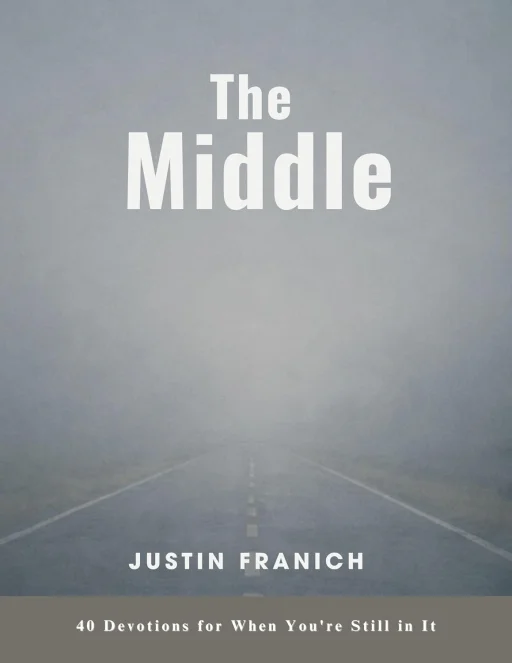
The Middle
Devotions for When You're Still Becoming
A 40-day devotional for the Christ-centered space between where you've been and where you're headed. For anyone past rock bottom but not yet at the finish line.
Available on Amazon Kindle
This Resource Exists Because Someone Gives
Every article, every podcast episode, every resource on this site—made possible by people who believe hope should be free.
Give TodayAbout
Shenandoah Valley Teen Challenge
Shenandoah Valley Teen Challenge has been walking with families since 2000. Need help? Call 540-213-0571.
FAQ
Frequently Asked Questions About Rebuilding After Addiction
What does "rebuilding life after addiction" actually mean?
+
It means moving beyond just not using. Rebuilding is the process of rediscovering who you are, finding peace that isn’t dependent on perfect circumstances, and stepping into a purpose bigger than sobriety. It’s the shift from surviving to actually living—from managing behavior to being transformed from the inside out.
Why isn’t sobriety enough?
+
Sobriety removes the symptom (drugs or alcohol) but doesn’t treat the root cause—the pain, trauma, shame, and identity crisis that drove you to use. You can be clean and still be miserable if you never address who you are, whose you are, and what you’re living for. That’s why so many people relapse—they removed the medication without treating the wound.
What is the Robe, Ring, and Sandals framework?
+
It comes from the Prodigal Son parable in Luke 15. When the son came home, the father gave him three gifts: a Robe (identity—you’re a child of God, not an addict), a Ring (authority and peace—you have direct access to the Father), and Sandals (mission—you’re going somewhere, you have purpose). These three gifts are the roadmap from sobriety to real freedom.
How long does it take to rebuild after addiction?
+
There’s no fixed timeline, but the framework lays out four phases: Foundation (first 90 days), Identity (months 3–12), Authority and Peace (year 2), and Mission (year 3+). Everyone moves at their own pace. The point isn’t speed—it’s direction. As long as you’re moving toward the robe, ring, and sandals, you’re on the right track.
What if I’ve relapsed—can I still rebuild?
+
Absolutely. The prodigal son didn’t just mess up once—he blew his entire inheritance on drugs and wild living and ended up in a pig pen. And the father still ran to him. Relapse doesn’t disqualify you from rebuilding. It means you start the next chapter, not the same old story. God’s grace isn’t a one-time offer.
How do I find my purpose after getting clean?
+
Start by asking a different question. Instead of “How do I stay clean?” ask “What did God save me for?” Your sobriety is the foundation, not the finish line. Mentor someone earlier in recovery. Serve at your church. Use your story to help others. Discover your unique calling—not everyone is called to full-time ministry, but everyone is called to something.
How can families support someone rebuilding their life?
+
Don’t settle for “they’re not using anymore.” Push them gently toward identity, peace, and purpose. Set healthy boundaries. Speak truth about who they’re becoming. Refuse to enable while also refusing to give up hope. Pray. And remember—only God can give the robe, ring, and sandals. Your role is to love them toward freedom, not manage their recovery.
This content is free. The work behind it isn't.
Every article, every podcast episode, every resource — made possible by people who give.
Support This Work →If you or someone you know is in crisis, please reach out to a mental health professional or call the Suicide and Crisis Lifeline at 988.
Call 988