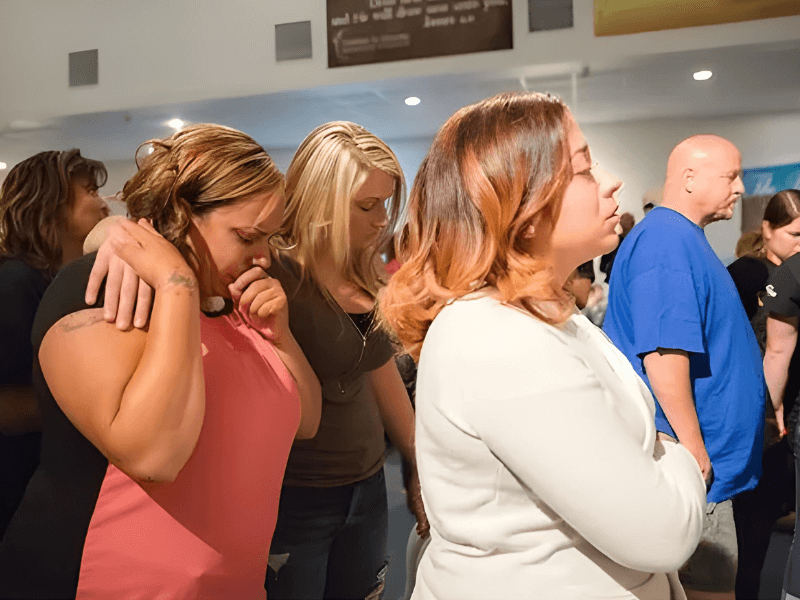
A Complete Guide for Families
How to Help Someone With Addiction
If someone you love is struggling with addiction, you're probably exhausted, confused, and desperate for answers.This guide is for you.
“Hope deferred makes the heart sick, but a longing fulfilled is a tree of life.”
-Proverbs 13:12
You cannot fix someone else's addiction. Only God can. But you can stop enabling, set boundaries, and connect them to the right resources. Your love alone will not save them -they have to choose recovery for themselves. What you can do is choose health for yourself, get support, and let your boundaries create the conditions where they are more likely to reach for help.
2000
In Recovery Ministry Since
1,000+
Families Guided
Always Free
Consultations
What You Need to Know Right Now
You can't fix them. Only God can. But you can stop enabling. You can set boundaries. You can get them connected to the right resources.
Your love won't save them. They have to choose recovery for themselves. But your boundaries might create the crisis that pushes them toward help.
You're not responsible for their choices. But you are responsible for yours. You can choose health for yourself even if they choose destruction. Their addiction is not your fault.
Recovery is possible. We've seen it happen thousands of times. People who looked hopeless can be fully restored. Not just clean, but free.
Section 01
Understanding What You're Dealing With
Before you can help, you need to see addiction clearly. Not as moral failure. Not as lack of willpower. And not as something they can "snap out of" if they loved you enough.
Whose Fault Is Their Addiction?
Have you ever been blamed for someone else's addiction? Maybe you've heard it outright: "You made me do this." Or maybe it's subtler: a look, a tone, an accusation wrapped in self-pity.
Here's the truth: You are not responsible for another person's decision to use drugs or alcohol. You never were.
When blame gets thrown at you, it usually comes from three places: manipulation (guilt becomes leverage), avoidance (if it's not my fault, I don't have to change), or projection (someone must be responsible, and it lands on you).
Accusation does not equal truth. You can love someone deeply without owning their choices.
Whose Fault Is Their Addiction? →The Most Dangerous Thing We Say About Addiction
"Once an addict, always an addict." You've heard it. The person you love has heard it. And most people never stop to ask what that statement actually does to someone trying to rebuild their life.
If it's true, the implications are heavy: the past always gets the final word. Freedom is fragile at best. No matter how much someone changes, addiction is still the truest thing about them.
But Scripture says: "If anyone is in Christ, he is a new creation. The old has passed away; behold, the new has come." (2 Corinthians 5:17)
In Christ, addiction may be part of someone's story, but it is no longer their identity.
The Most Dangerous Thing We Say About Addiction →Section 02
Recognizing When Professional Help Is Needed
Not every struggle requires a full residential program. But some do. Knowing the difference could save their life.
How to Tell If Your Loved One Needs a Program
Two questions matter most. First: Has your loved one tried, and failed, to quit on their own? If the pattern is promises to quit, short stretches of improvement, followed by relapse, over and over again, it's a strong indicator that outside help is needed.
Second: Has the addiction disrupted normal life? Work suffers. Relationships erode. Finances strain. Health declines. When addiction becomes the center of gravity around which everything else rotates, a program isn't an overreaction. It's the next necessary step.
But wisdom also asks about timing. Does your loved one express a genuine desire to change? Are they open to going? People can be forced into rehab, but lasting change usually comes when someone says, "I don't want to live like this anymore."
How to Tell If Your Loved One Needs a Program →Understanding Your Options
If they do need help, you need to understand what's out there. There are clinical programs, 30-day rehabs, outpatient services, and long-term faith-based programs. Each serves a different need at a different stage. We know Teen Challenge best because we've lived it for 20 years, so that's where we can guide you with the most confidence. It's a faith-based program focused on long-term life transformation.
Section 03
When They're in Treatment
Getting them into a program is just the beginning. Now you're dealing with a new set of challenges: being apart from them, worrying if they'll stay, dealing with your own emotions. This is when families either position themselves to be part of the solution or accidentally become part of the problem.
How to Cope When Your Loved One Is in Treatment
Distance doesn't usually bring closeness. It brings ache. It brings longing. Sometimes they're far away. Sometimes they're only a few miles down the road. Either way, access is limited. Communication changes. You know where they are, but you can't reach them the way you want to.
One of the hardest parts is the sudden quiet. For a long time, your life revolved around crisis management. When that stops, even temporarily, the silence can feel unbearable. You don't just miss the person. You miss the fight.
Seeing this season as an opportunity rather than a punishment changes how you endure it. Your loved one isn't in rehab to punish you or abandon the family. They're there to change. The separation is painful, but it's purposeful.
How to Cope When Your Loved One Is in Treatment →Taking Care of Yourself When Your Loved One Is in Rehab
Imagine being in the trenches of a war for years, then suddenly finding yourself back home. You'd probably breathe for the first time in a long while. Sleep. Sit still. Try to remember what life felt like before everything revolved around survival.
When your loved one enters a program, you're finally given something you haven't had in a long time: margin. They're not the only ones who need healing. You do too.
Three places to start: Rest, let your nervous system settle. Plan, what boundaries will be in place when they return? Connect, rebuild the support systems that eroded during the crisis.
Taking Care of Yourself When Your Loved One Is in Rehab →Section 04
Setting Boundaries (Without the Guilt)
This is where most families struggle. You want to help, but you don't want to enable. You want to be supportive, but you're exhausted. You want to believe them, but they've lied so many times. Setting boundaries isn't cruel. It's necessary.
Setting Boundaries for Recovering Addicts: A Family Guide
The first shift you have to make: stop seeing your son or daughter as a child and start seeing them as an adult. Your job is no longer to deliver them from the mess. Your job is to ask: "What tools did you learn in the program? How can we implement them together?"
You need a written plan. Not a vague conversation. A lot of boundaries break down because there wasn't communication about the boundary ahead of time. The big rocks to discuss: curfew, employment, money, church attendance.
One of the most destructive things you can do is keep bringing up their past mistakes. You can't continue to look at them as their former self. You have to learn to see them as the new creation they are in Christ.
"Boundaries protect. Rules control. And the difference often comes down to communication and consistency."
Read the full guide →Section 05
When You're Raising Their Children
Some of you aren't just dealing with your child's addiction. You're raising their children while they're gone. This adds another layer of complexity, grief, and responsibility. You're not alone in this.
Raising Grandchildren When Your Child Is Addicted
You didn't plan for this. You thought you were done with diapers, homework, and teenage drama. You thought retirement meant rest, not second-shift parenting. But here you are. And if you're honest, you're exhausted and heartbroken.
Here's something most grandparents don't talk about: the guilt. You wonder if you failed as a parent. You look at your child's addiction and ask, "Where did I go wrong?" Let me stop you there: Your child's addiction is not your fault.
Two shifts that change everything: First, be a conduit, not a reservoir. Stop trying to manufacture love and patience out of your own strength. Let God love them through you. Second, rely on your experience. You've done this before. You're not the same person you were. You have wisdom now.
Read the full guide →Section 06
When Confrontation Doesn't Go as Planned
You tried to talk to them. You tried an intervention. And it went sideways. Now what?
When Confrontation Goes South
When confrontation goes south, it usually shows up in one of three ways: anger(you're attacked for caring), blame (suddenly the addiction is your fault), or withdrawal (you're punished by being shut out).
Different reactions, same purpose: control. These responses are attempts to pressure you into backing down so the addiction can continue undisturbed.
Two truths that matter: Their feelings are not your responsibility. You are responsible for speaking truth in love, not for managing their response. And: You have the right to protect yourself. Loving someone does not require you to absorb unlimited harm.
When Confrontation Goes South →What Is an Intervention?
Most families learn about interventions from reality television. The dramatic confrontation. The tears. Credits roll. Problem solved. Real life doesn't cut to commercial.
At its core, an intervention is an act of love disguised as a hard conversation. It's saying what has gone unsaid and extending an invitation to change while there's still something left to save.
What television skips? The part where it doesn't work. That happens more often than the credits would have you believe, and it doesn't mean the intervention failed. Sometimes seeds take time to grow.
Read the full guide →Section 07
Life After Treatment
If they make it through treatment and come home, you're facing a whole new set of challenges. How do you support them without smothering them? How do you trust them again? What does healthy recovery actually look like?
How to Help a Recovering Addict
One of the most important things you can do is believe for the person when they can't believe for themselves. Addiction crushes hope. Before someone can believe in themselves again, they often need someone else to hold that belief on their behalf.
Along with hope, purpose has to be restored. Addiction doesn't just steal sobriety. It steals meaning. Help them remember who they were. What they once cared about. What mattered before the addiction took over.
But even hope and purpose will struggle to survive if guilt is left untouched. Many addicts are haunted by the wreckage behind them. Helping someone forgive themselves doesn't mean minimizing harm. It means helping them release the belief that their past disqualifies them from a future.
How to Help a Recovering Addict →What True Restoration Looks Like
To see what true restoration looks like, not just sobriety, but identity, spiritual authority, and living with mission, read our complete guide.
Freedom After Addiction: The Complete Guide →Section 08
Finding Hope When You've Lost It
Some of you reading this have already lost hope. You've been here so many times. You've watched them relapse again and again. You're tired.
Hope isn't pretending everything is fine. Hope is holding onto truth when the circumstances look hopeless.
God is in the business of redemption. He redeems broken people. He redeems broken families. He redeems broken stories. Your child is not too far gone. Your situation is not too broken.
We've seen it happen. We've watched families who looked absolutely destroyed by addiction come back together on the other side of recovery. We've watched grandparents who thought they couldn't do it not only survive but thrive. We've watched children who grew up in chaos become healthy, whole adults who break generational cycles.
It's possible. It happens. And it can happen for your family too.
"And now these three remain: faith, hope, and love."1 Corinthians 13:13
If prayer has become the hardest part - if you don't know what to say to God anymore - here are prayers for when you've run out of words.
FAQ
Common Questions
What's the first thing I should do if I suspect my loved one is addicted?+
Start by educating yourself. Don't confront them until you understand what you're dealing with. Read about addiction, talk to people who've been through it, and consider calling a ministry like ours for guidance. The worst thing you can do is react emotionally without a plan.
How do I know if they need professional help or can handle this on their own?+
If they've tried to quit and failed multiple times, if their addiction is causing serious consequences (job loss, legal issues, health problems), or if they're using dangerous substances, professional help is usually necessary. Addiction that can't be overcome alone usually won't be overcome alone.
What's the difference between helping and enabling?+
Helping moves them toward recovery. Enabling protects them from the consequences of their choices and allows the addiction to continue. Paying their rent so they don't become homeless might feel like helping, but if it means they can keep using without consequence, it's enabling.
Should I do an intervention?+
Interventions can work, but they can also backfire. A poorly planned intervention can damage relationships and push them further away. If you're considering one, work with a professional interventionist or at least someone experienced in the process. An intervention done well is one of the most loving things a family can do.
What if they refuse to get help?+
You can't force an adult into recovery. What you can do is stop enabling, set clear boundaries, and let natural consequences happen. Sometimes hitting bottom is what finally breaks through. Your job is to be ready when they're ready and to take care of yourself in the meantime.
How long does recovery take?+
There's no single answer. The acute phase (detox, early sobriety) might take weeks to months. But rebuilding a life takes years. Most experts agree that the first year is highest risk for relapse, and the first five years require ongoing vigilance. Teen Challenge is a 12 to 18 month faith-based discipleship program built around Bible study, mentorship, work therapy, and accountability. It's designed for the long-term rebuilding that comes after the crisis stabilizes. Most Teen Challenge centers require participants to be free from Suboxone and methadone before enrollment. If that applies to your loved one, talk to us at intake and we can help you find the right next step.
What if they relapse after treatment?+
Relapse doesn't mean failure. It often means the recovery plan needs adjustment. Many people relapse multiple times before achieving lasting sobriety. The question isn't whether they fell but whether they get back up. Your response matters: firm boundaries, continued support, and back to the work.
How do I take care of myself through this?+
You can't pour from an empty cup. Find your own support, whether that's a counselor, a support group, or a trusted friend who's been through it. Set boundaries to protect your own mental health. You're running a marathon, not a sprint.
Is Teen Challenge the right fit for my loved one?+
Teen Challenge works best for people who are open to a faith-based approach, willing to commit to 12-18 months, and ready to address the spiritual roots of their addiction. It's not for everyone, but for the right person, it can be transformational. Call us and we'll help you figure out if it's a fit.
Does SVTC charge for your help?+
No. We're a nonprofit ministry. Our consultations and support are completely free. We exist to walk with families through this. If our program isn't the right fit, we'll point you toward a Teen Challenge near you.
Last updated: January 2026
You Don't Have to Navigate This Alone
Connect with a caring team ready to listen, guide, and pray with you. No pressure. No judgment. Just help.
Call or Text 540-213-0571 540-213-0571
About Shenandoah Valley Teen Challenge
Shenandoah Valley Teen Challenge has been walking with families since 2000. Need help? Call 540-213-0571.
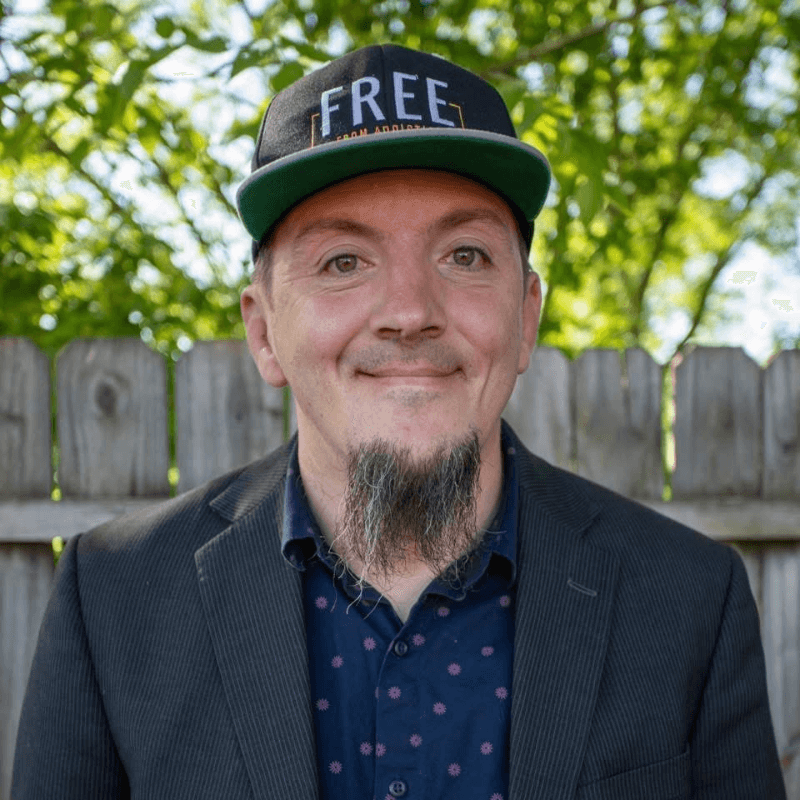
Justin Franich
Justin Franich is a Teen Challenge graduate who overcame a meth addiction and has been clean since 2005. He spent over a decade leading Christ‑centered recovery programs and now serves as Executive Director of Shenandoah Valley Adult Teen Challenge, helping families find the right path forward and supporting people as they rebuild life after addiction.
Read my story →This content is free. The work behind it isn't.
Every article, every podcast episode, every resource - made possible by people who give.
Support This Work →Resources
Helpful Resources

The Cross and the Switchblade -David Wilkerson
The book that started it all. The story of how Teen Challenge was born on the streets of New York.
View on Amazon
Run Baby Run -Nicky Cruz
The most famous transformation story to come out of Teen Challenge. A New York gang leader's journey from violence to faith.
View on Amazon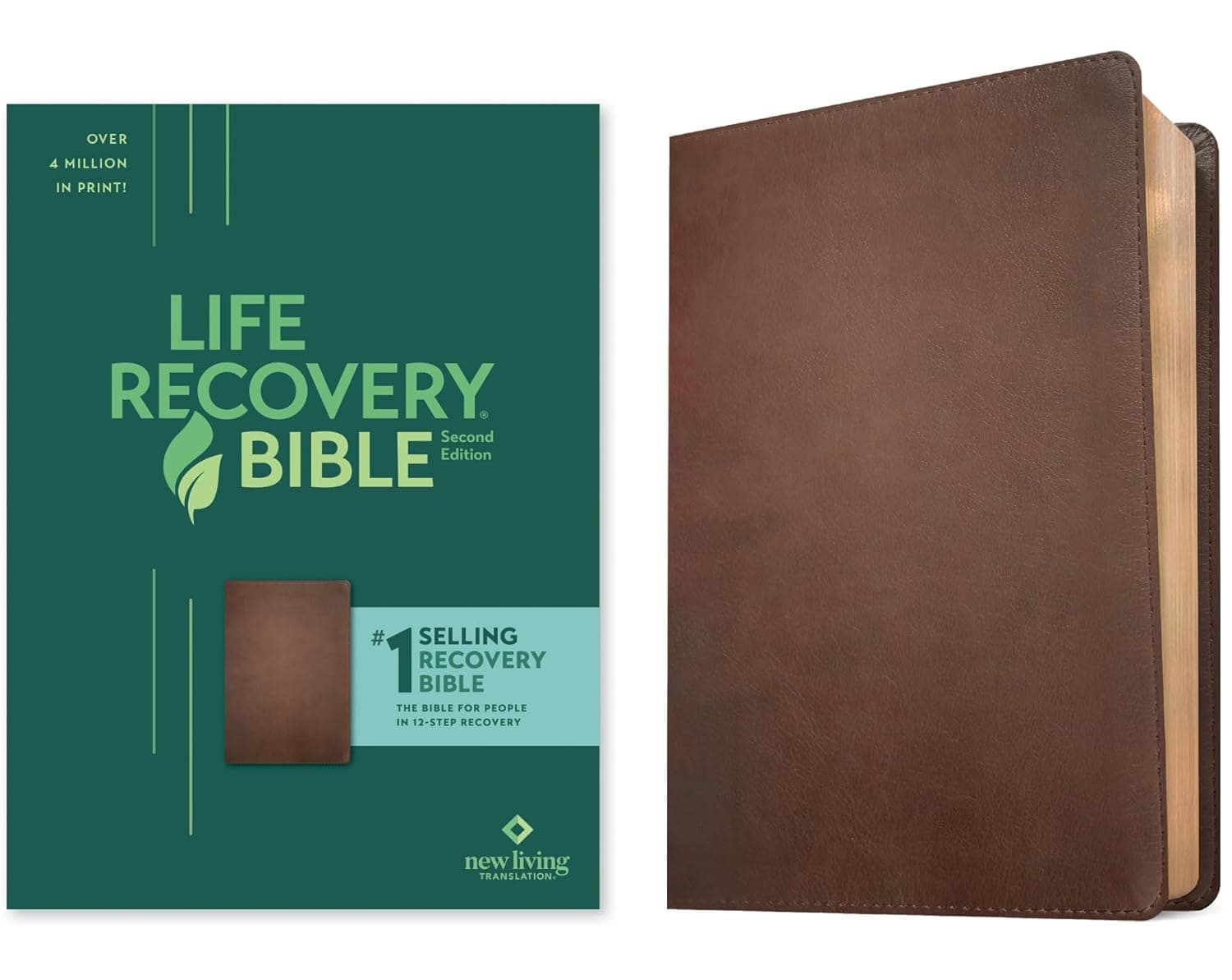
The Recovery Bible
A Bible built for the journey, with notes and devotions specifically for people walking through addiction and restoration.
View on Amazon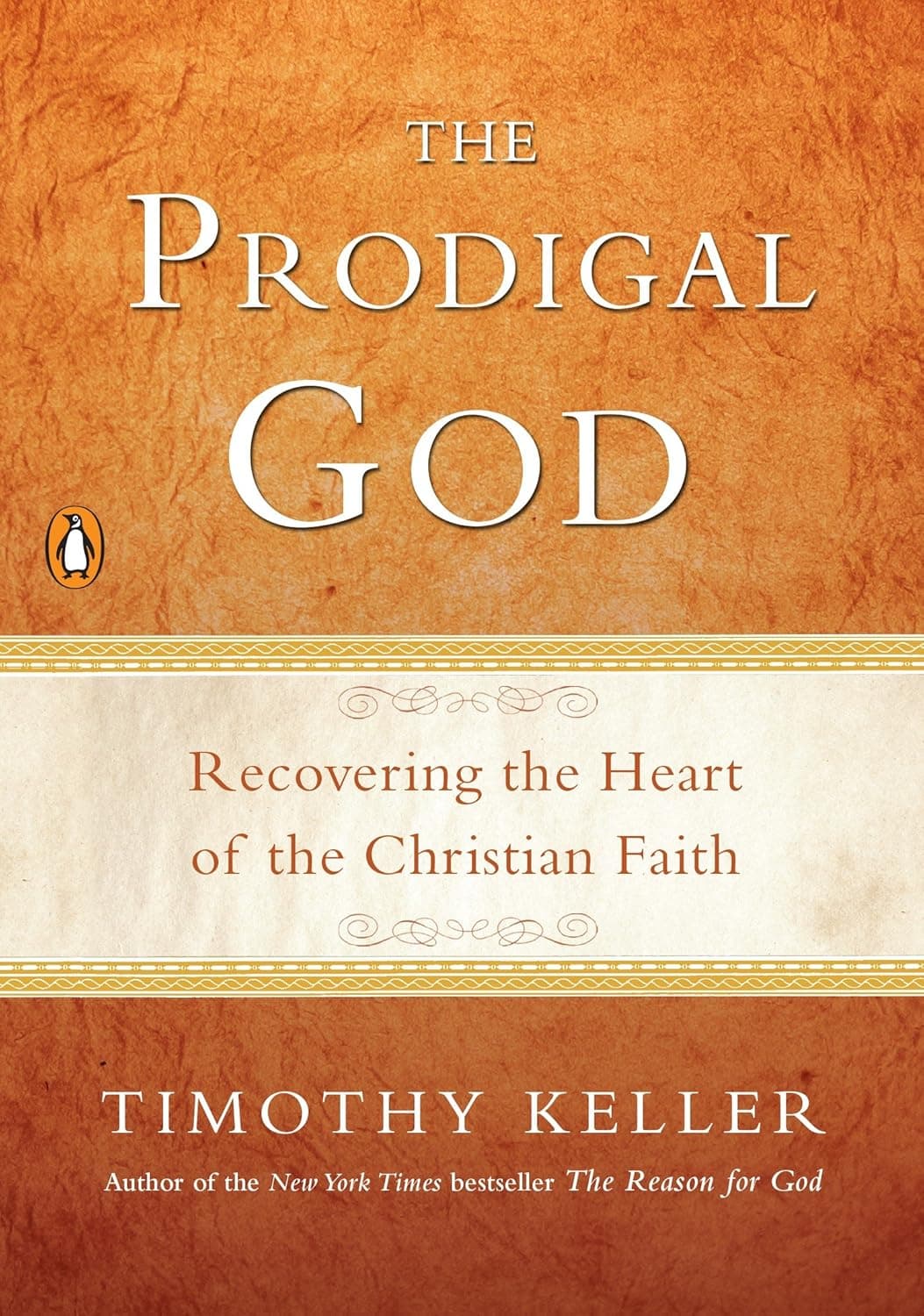
Prodigal God -Timothy Keller
The best book ever written on the parable of the prodigal son. Keller unpacks both sons -and why the "good" one might be further from home.
View on Amazon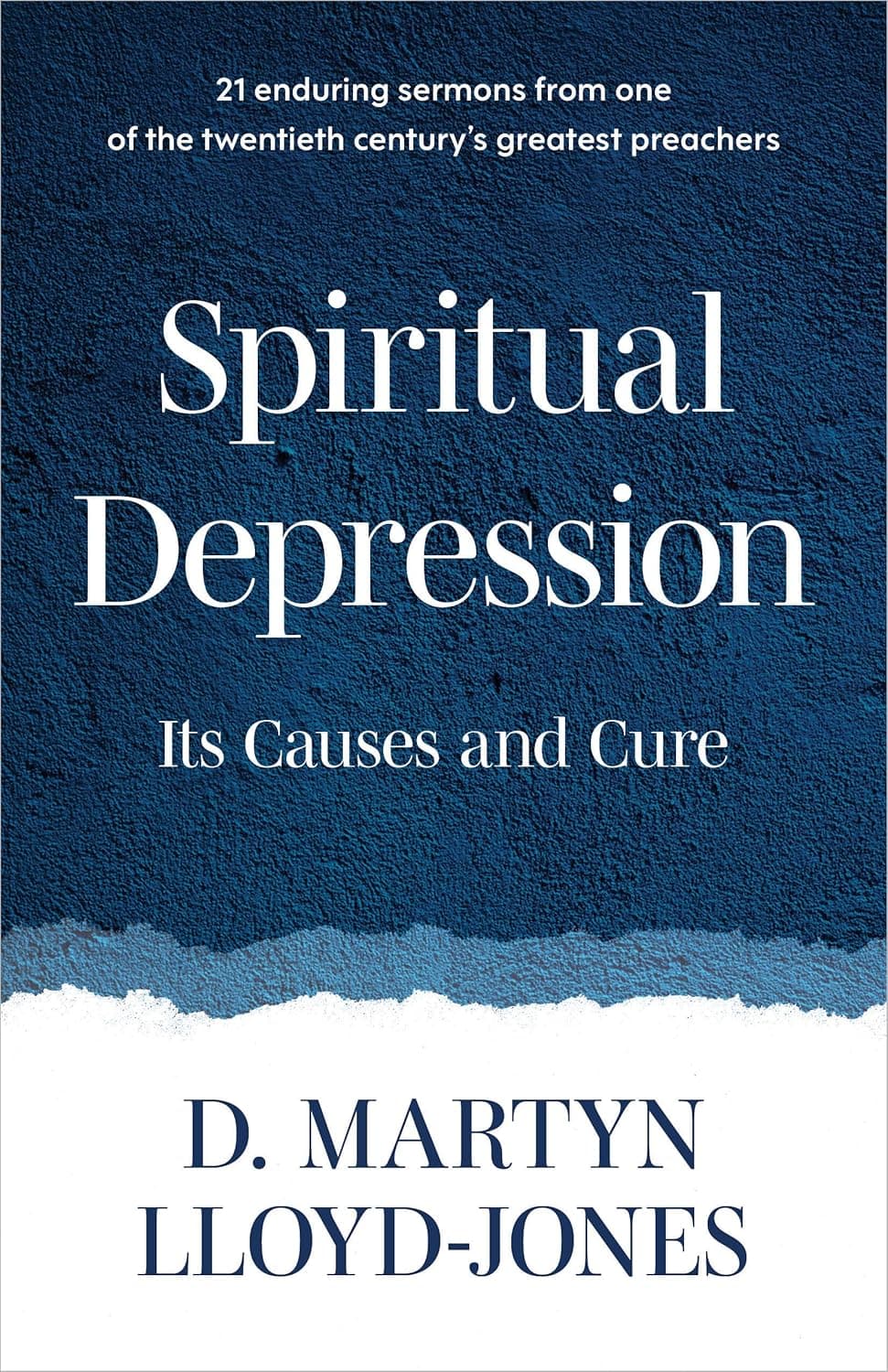
Spiritual Depression -Martyn Lloyd-Jones
The classic book on faith and depression. Lloyd-Jones addresses the root causes of spiritual darkness with honesty and biblical depth.
View on Amazon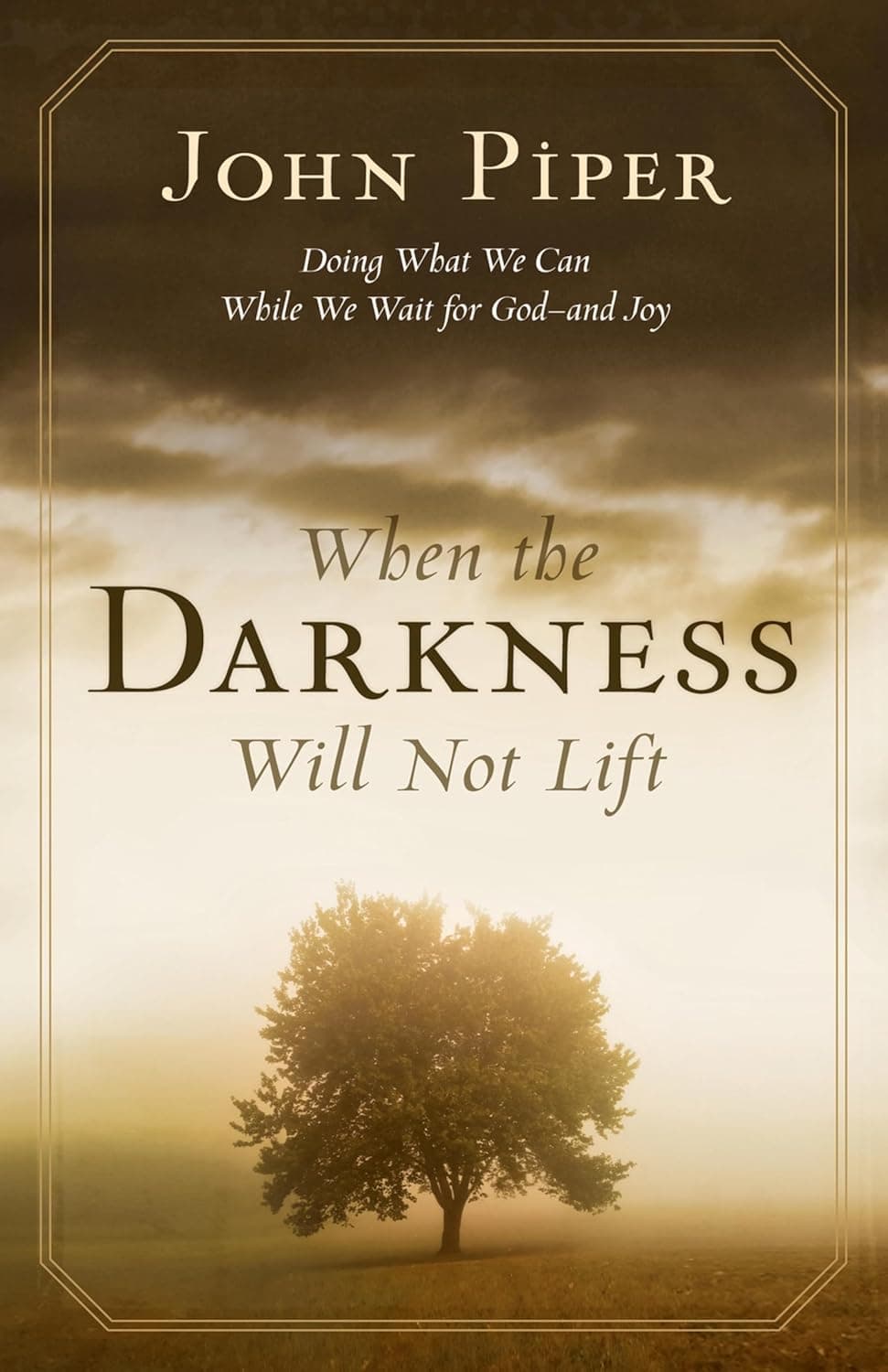
When the Darkness Will Not Lift -John Piper
Short, honest, and pastoral. Piper writes for the person who is doing everything right and still can't find the light.
View on Amazon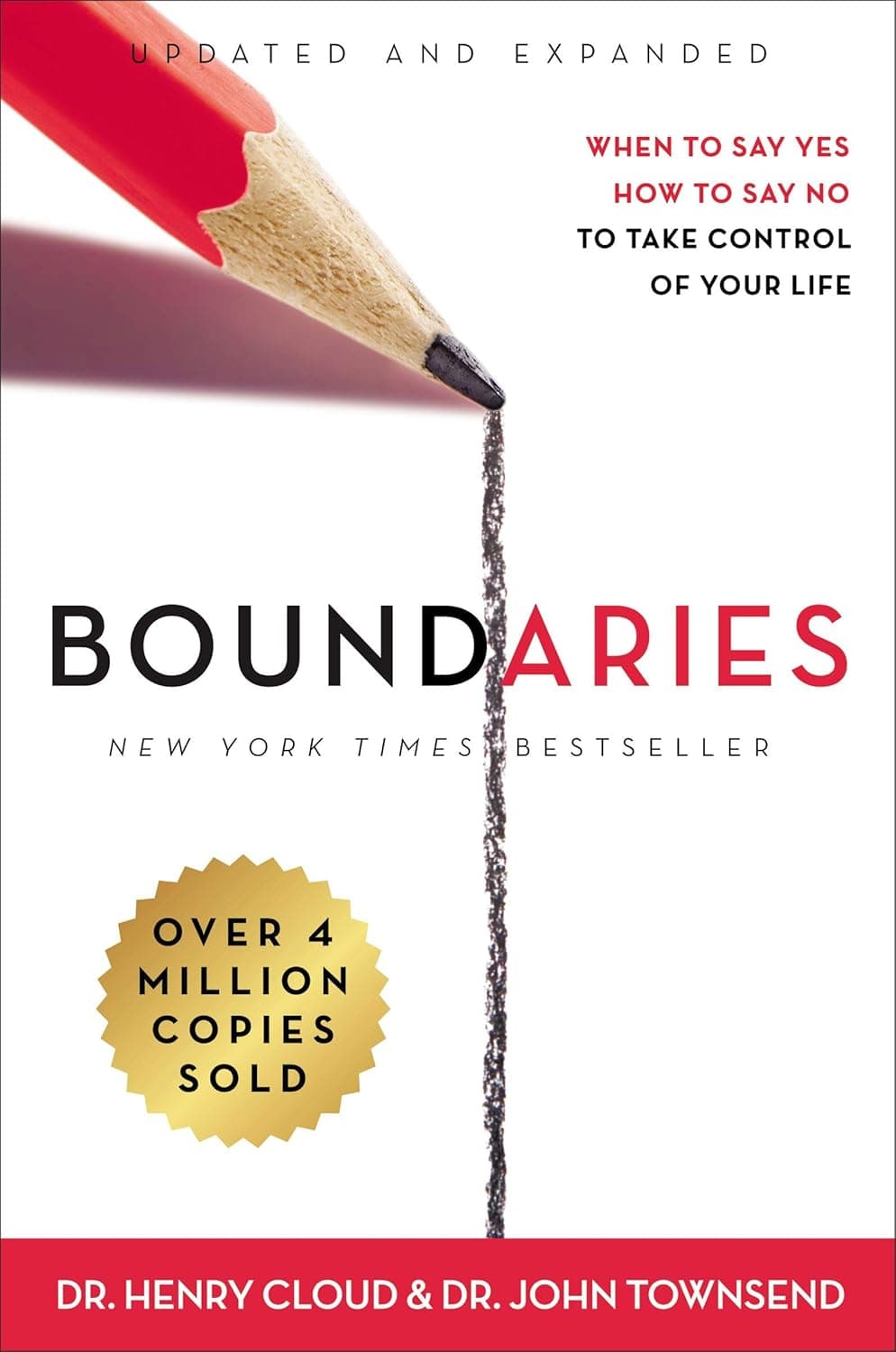
Boundaries -Cloud & Townsend
The definitive Christian guide to healthy relationships. Essential reading for any family navigating someone else's addiction.
View on Amazon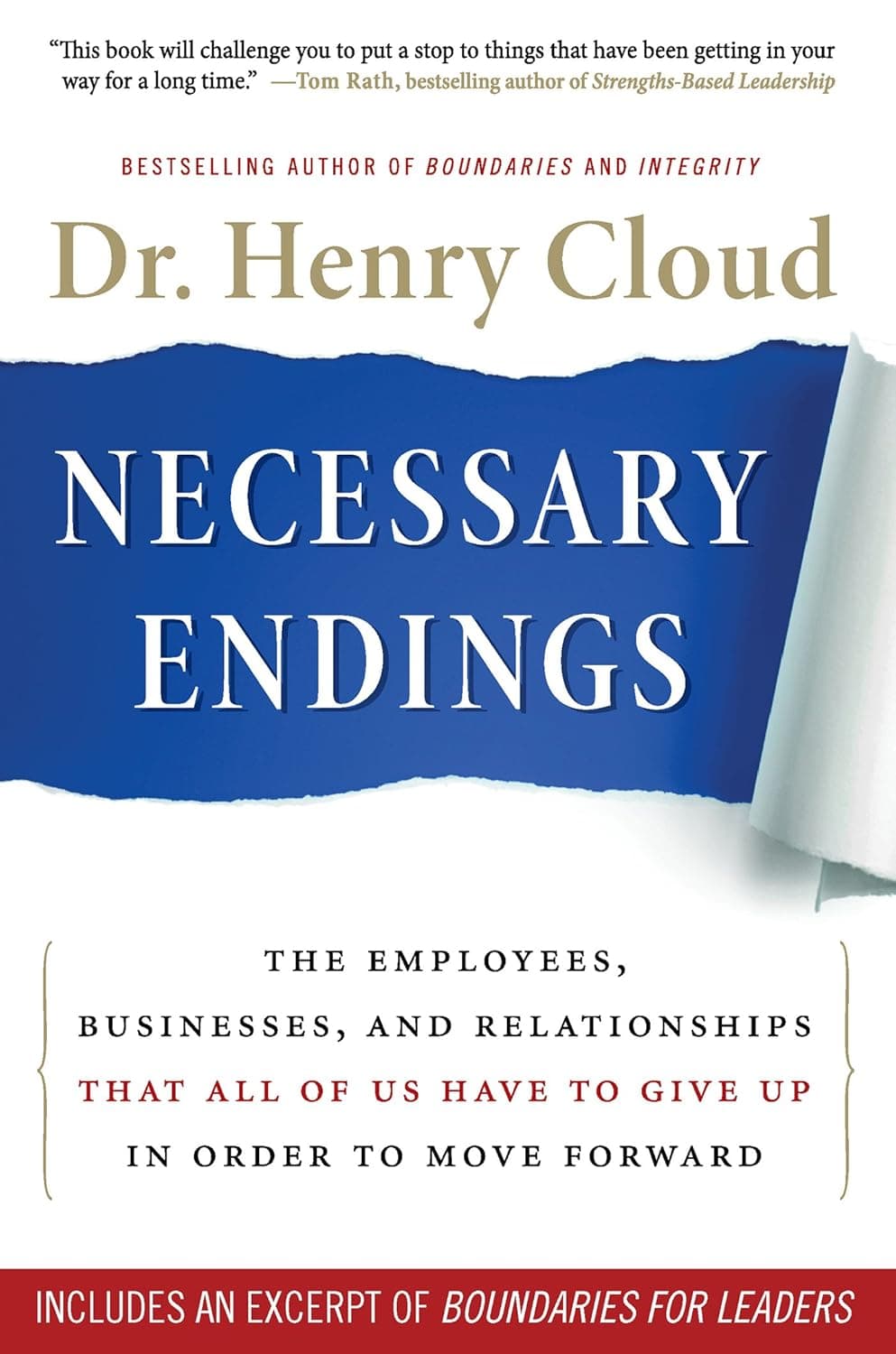
Necessary Endings -Henry Cloud
When love means letting go. A guide for families who have done everything right and still watch someone they love spiral.
View on Amazon
The Middle -Justin Franich
40 devotions for when you're still in it. Written from the middle of real pain, not from the other side looking back.
View on AmazonThese are resources we genuinely recommend. If you purchase through our links, a small commission supports this ministry at no extra cost to you.