Faith & Life
Grace For The Older Brother In Recovery

Most people read the Parable of the Prodigal Son and see themselves as the younger brother-the one who screwed up, ran away, and came crawling back.
But what if you're the older brother?
What if you're the parent who prayed for years while your child was out using? The sibling who covered for them, lied for them, cleaned up their messes? The spouse who held the house together while addiction tore everything apart?
What if you're the one who stayed faithful-and you're exhausted, bitter, and angry that everyone's throwing a party for someone who just stopped doing what they should have never been doing in the first place?
This episode is for you.
The older brother parable in Luke 15 exposes a truth most recovery families don't want to face: staying faithful doesn't make you immune to bitterness.
In this conversation on Rebuilding Life After Addiction, Justin Franich and Rob Grant dive deep into the older brother parable and expose the hidden dynamics that most recovery families miss-the older brother's resentment, the father's grace for BOTH sons, and why staying faithful can sometimes breed the most dangerous kind of bitterness.
If you've ever felt overlooked, taken for granted, or like you're tired of cleaning up everyone else's messes-you need to hear this.
What This Episode is About
The Prodigal Son parable (Luke 15:11-32) is one of the most famous stories Jesus ever told. But here's what most people miss:
Jesus wasn't telling this story to addicts. He was telling it to the Pharisees.
The religious leaders. The ones who did everything right. The ones who were angry that Jesus was eating with "sinners."
Sound familiar?
In this episode, Justin and Rob unpack:
Why the older brother's anger reveals something most "faithful" people won't admit
How parents and family members can slip into the same self-righteousness as the Pharisees
The danger of becoming a "firefighter-turned-arsonist" in recovery ministry
Why you might be just as much in need of grace as the addict you're praying for
Practical steps to break free from bitterness and embrace the father's love
This isn't just about addiction recovery-it's about exposing the hidden pride and pain in all of us who think we've "stayed faithful."
Why the Older Brother Parable Matters in Recovery
Most people focus on the prodigal's return. But the real tension in Luke 15 isn't the younger son's sin-it's the older brother's hidden resentment.
The older brother parable exposes what happens when faithfulness breeds entitlement instead of gratitude. It reveals the self-righteousness that festers in recovery families who think they've earned God's favor through their suffering.
This parable wasn't told to convict addicts-it was told to expose religious people who thought they'd earned God's favor.
And that's playing out in recovery families right now.
The Older Brother Parable: More Than a Comeback Story
The Cast of Characters
The Younger Son (The Prodigal):
Demands his inheritance early (basically wishing his father was dead)
Leaves home and blows everything on "reckless living"
Ends up broke, broken, feeding pigs (rock bottom for a Jewish kid)
Comes to his senses, rehearses an apology, goes home
Represents: The addict who runs from God, hits bottom, and returns
The Father:
Watches the road every day waiting for his son
Sees him coming "while he was still a long way off"
Runs to meet him (culturally shocking-dignified men didn't run)
Embraces him, cuts off his apology, throws a party
Represents: God's unconditional love, grace, and joy over the returning sinner
The Older Brother:
Stayed home, worked hard, obeyed all the rules
Hears the party and refuses to go in
Confronts his father with anger and resentment
"I've been slaving for you... and you never threw ME a party"
Represents: The "faithful" ones who resent grace being given freely to others
And here's the kicker: Most recovery families have BOTH brothers in the same house.
Why Jesus Told the Older Brother Parable to the Pharisees (Not the Addicts)
Luke 15:1-2 sets the scene:
"Now the tax collectors and sinners were all gathering around to hear Jesus. But the Pharisees and the teachers of the law muttered, 'This man welcomes sinners and eats with them.'"
The Pharisees were pissed.
Why is Jesus wasting time with these people? Why is he celebrating their "repentance" when WE'RE the ones who've been faithful?
Sound familiar?
Justin nails it in the episode:
"Jesus is so smart in the fact that he doesn't just hit you in the throat. He hits you with a story, a parable. 'Let me tell you a story. Sit down, young Jedi. I'm gonna teach you a lesson right now.'"
The lesson? The Pharisees-the older brothers-had a fundamental misunderstanding of grace.
They thought:
Obedience = Earning God's favor
Sinners = Less deserving
Grace = Unfair to those who "did it right"
And that's the same trap recovery families fall into.
The older brother parable wasn't about the prodigal's sin. It was about exposing the self-righteousness of those who stayed.
The Older Brother in Recovery Families: Hidden Bitterness
The Parent Who Held the Fort
Justin shares a powerful insight about the role of parents in addiction recovery:
"Your job isn't to chase, your job isn't to enable, it isn't always to pursue either. It is to keep your spiritual home in order so that the son has a safe place to come back to. He held the home down."
The father in the parable wasn't chasing the younger son.
He wasn't:
Calling him every day begging him to come home
Sending money to enable his addiction
Rescuing him from consequences
He was waiting. Watching. Praying. Holding the home.
But here's the danger: While the father was holding the home down for the prodigal, the older brother was watching and building resentment.
The older brother parable shows us that comparison is the enemy of grace. When we measure our suffering against someone else's celebration, we miss the father's heart entirely.
Hear more on our podcast: How to Feel Forgiven When You Don't Feel Forgiven

Justin Franich
Justin Franich is a Teen Challenge graduate who overcame a meth addiction and has been clean since 2005. He spent over a decade leading Christ‑centered recovery programs and now serves as Executive Director of Shenandoah Valley Adult Teen Challenge, helping families find the right path forward and supporting people as they rebuild life after addiction.
Read my story →If this helped, there's more where it came from.
I send weekly encouragement. Scripture, reflection, and honest conversations about faith and recovery.
You can unsubscribe anytime.
Related Articles
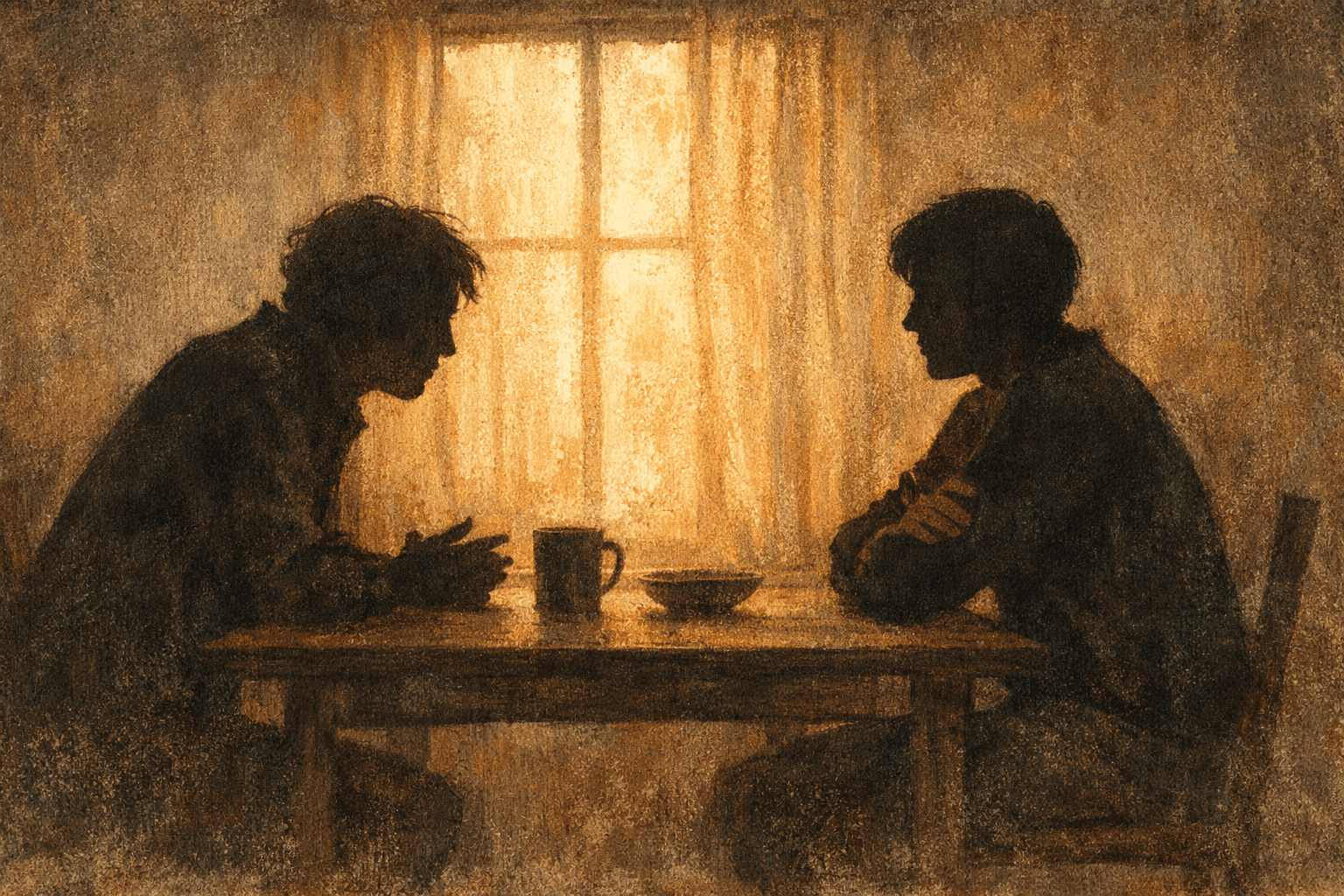
Why Forgiveness Without Confrontation Isn't Love
Real forgiveness requires uncomfortable conversations. Learn why avoiding confrontation keeps both you and your brother stuck in sin.

To Testify or Not to Testify?
Should you wait until the struggle is over to share your story? Like a drowning person being thrown a lifejacket, sometimes testimony isn't the reward for victory-it's part of how victory comes.

What Healing From Church Hurt Actually Looks Like
Church is supposed to be the safest place to struggle. So what happens when the church becomes the wound? Healing requires naming what happened, getting outside help, and the terrifying decision to trust again.
Why the Church Should Be the Safest Place to Struggle
The church was meant to be a hospital for sinners, not a museum for saints. So why are so many believers terrified to admit they're not okay?