Going Back to Where We Started: The Future of SVTC in 2026
with Justin Franich
ABOUT THIS EPISODE
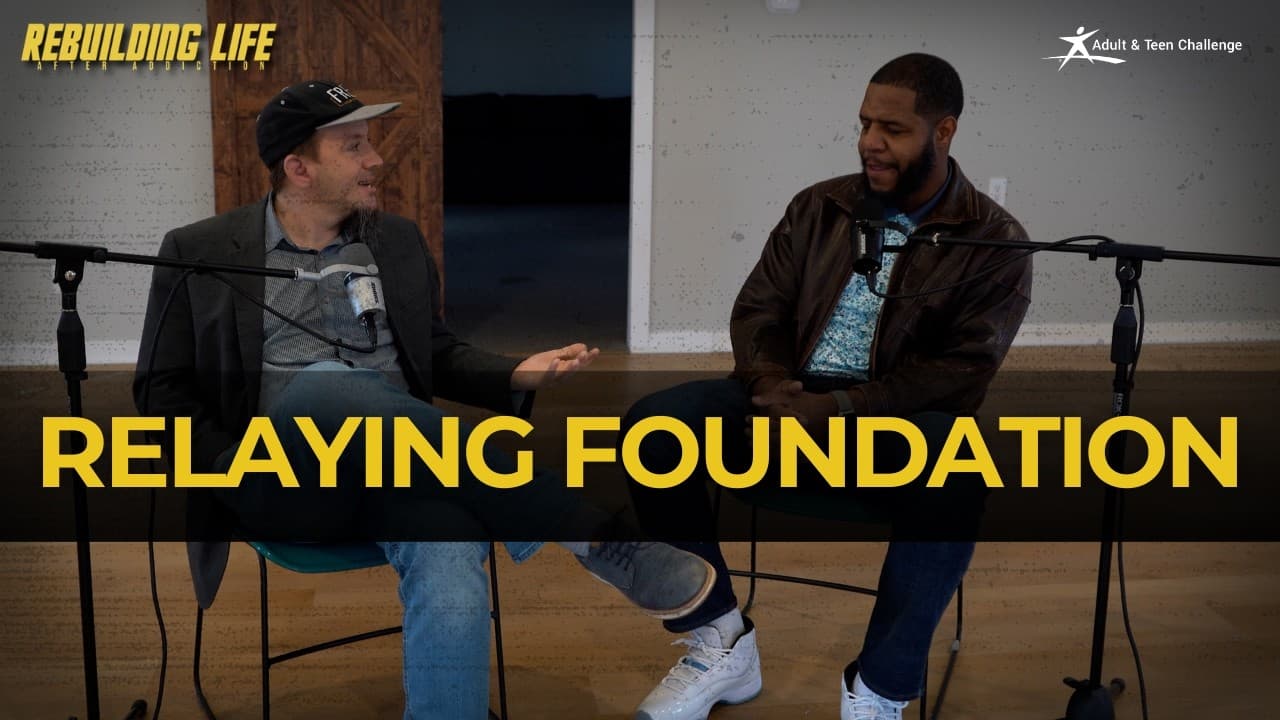
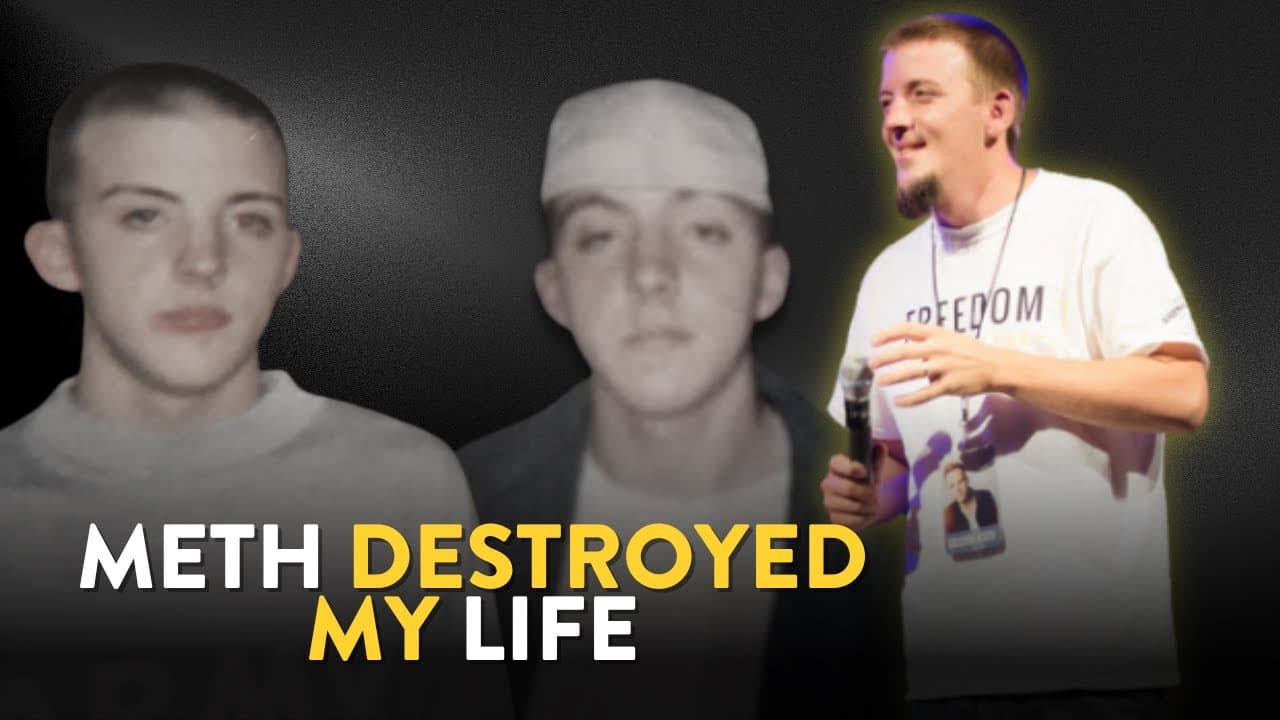
Shenandoah Valley Teen Challenge is transitioning in 2026. After 16 years in our current building, we're selling the property and stepping away from the 12-month residential model to focus on community-based recovery. My dad didn't start this ministry with a building dream. He started it with a burden. Helping a few people get their lives back together. This new model is built on three lanes: content, community, and mentoring. Same Gospel. Same mission. New strategy.
KEY TAKEAWAYS
- •SVTC is selling their building and transitioning from 12-month residential programs to community-based recovery ministry
- •The ministry started over 20 years ago as a one-room referral office before expanding to residential programs that served 60+ students at peak
- •COVID forced difficult decisions in 2020, including closing the women's home and selling the 15-acre campus
- •The new model focuses on three lanes: content (podcast and resources), community (support groups and training), and coaching (one-on-one mentoring)
- •They're searching for an accessible office space in the Shenandoah Valley where people can attend meetings after work
- •The mission remains the same: helping people rebuild their lives through relationship with Jesus Christ
About Justin Franich
Justin is the director of Shenandoah Valley Teen Challenge and host of the Rebuilding Life After Addiction podcast. He went through a residential recovery program himself and has been leading SVTC through its transition to community-based ministry.
SHOW NOTES
After 16 years in their current building, Shenandoah Valley Teen Challenge is selling the property and transitioning away from the 12-month residential model. This isn't a step back, it's a return to the original vision that started over 20 years ago when Justin's father wanted to help a few people get their lives back together through community-based recovery.
The Early Years
Before SVTC had buildings or campuses, it started as a one-room referral office. Justin's father made phone calls, connected people to resources, and met people where they were. That simple model worked. As the ministry grew, it evolved into residential programs with a men's home in 2007 and a women's home in 2011. At their peak, they served over 60 students across multiple campuses.
COVID Changed Everything
When COVID hit in 2020, SVTC faced difficult decisions like many residential programs. They closed the women's home and sold their 15-acre campus, consolidating to one building. Now they're selling that building too, not because residential programs don't work, but because the landscape has changed and they can serve more people more sustainably through community-based recovery.
The New Model
SVTC is transitioning to three core lanes: content (continuing the Rebuilding Life After Addiction podcast and resources), community (non-residential support groups, 12-step programs, and training for people who can't leave jobs and families for 12 months), and coaching (one-on-one mentoring for those rebuilding their lives). They're searching for an accessible office space in the Shenandoah Valley where people can attend support groups after work and build community.
Same Mission, New Strategy
The building holds memories and stories of changed lives, but the building was never the mission. The mission was always people. Justin's father's vision to help a few people get their lives back together remains the heart of everything they do. The work continues, just not in this building.
Read Transcript
Going Back to Where We Started: The Future of SVTC in 2026
Justin: I just felt called to help a few people get their life back together. Over 20 years ago, my father had a vision to just help a few people get their lives back together. In the early days, that looked like referrals, non-residential support services, and support groups. As the ministry grew, it evolved
A Vision To Restore Lives
Justin: into residential programs. We launched a men's home in 2007 and later launched a women's home in 2011. At our peak, we had over 60 students in our residential programs across multiple campuses. When COVID hit in
From Referrals To Residences
Justin: 2020, like many residential programs, Shenada Valley Team Challenge was faced with some difficult decisions. We had to close our women's home and we had to sell our 15-acre campus and consolidate down to one building. This
COVID Shifts The Landscape
Justin: one. And now, as you can see, we're selling this building too. Not because residential programs don't work. I went through one. I believe in them. But because the landscape has changed and we've realized that we can serve more people more sustainably by going back to how we started. Community-based recovery ministry. Now this decision didn't happen overnight. We graduated our last two students from the residential program in September. We've been planning this transition for months, but we held off announcing it publicly because we didn't have the
Back To Community Roots
Justin: title for this building yet. We've been in this building for 16 years, and about two years ago, we began the process to try to secure the deed. And I didn't feel right making any announcements until I knew that that would come through. It finally did, which means we can now transition with clarity, sell the building, and invest those resources into what's next and build something sustainable. So here's where we're going. Before my father ever had a building, he ran a one-room referral office. He made phone calls. He connected people to resources. He built relationships. He met people right where they were. That model worked. And now 20 years later, after everything we've learned through multiple decades of residential ministry, we're going back to that. Community-based recovery, non-residential support, meeting people right where they are. Just like dad started. So what does that look like? Well, it's three things content, community, and coaching. We're going to continue to focus on the Rebuilding Life After Addiction podcast and resources that point people to the true source of recovery, which is really a relationship with Jesus Christ. But that doesn't happen
Content, Community, And Coaching
Justin: without community. The community aspect is going to look like us launching non-residential support groups, 12-step programs, offering on-the-ground training and support for people who can't step away from their jobs and their families for a 12-month residential program, coaching. This is for those who need one-on-one support, personal mentoring. We're going to walk with people who are rebuilding their life after addiction and be there with them on the journey to complete and total freedom. It's the same mission to help a few people put their lives back together. And we're currently looking and praying for an office space here in the Shenadow Valley, a location that's going to be more
Choosing Access Over Assets
Justin: convenient for people who are searching out our help. While this building has been a blessing, it's simply not practical for that. It's too far out for people to regularly get to support groups and meetings. We need a space that's accessible, where people can show up after work, meet consistently, and build community. A place where we can host groups and continue the work that Dad started. The truth is, this building does hold a lot of memories, a lot of stories, a lot of lives changed. But the building was never the mission. The mission was always people. Dad's vision was always to help a few people get their lives back together. And that's still the heart of everything that we do. So if you've been a part of this journey, whether you've gone through the residential program, you've prayed for us, supported us financially, or you just simply believed in what we're doing, thank you. The work continues. The mission continues. Just not in this building. It's time to step out and build something new.
HOST
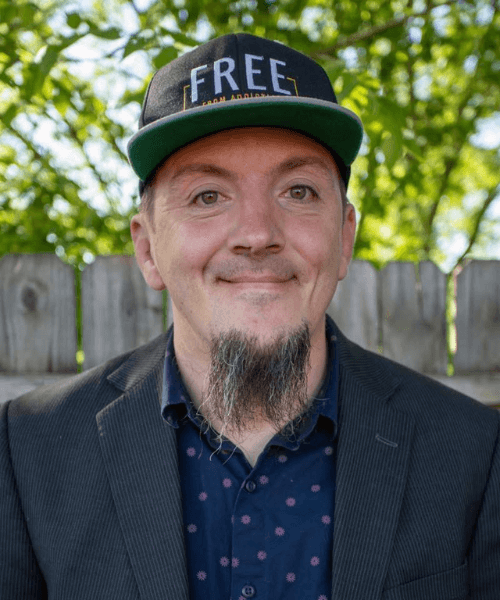
Justin Franich
Executive Director of Shenandoah Valley Teen Challenge with 20+ years helping families navigate the journey from addiction to restoration. Learn more.
Support Justin's work