For Families
The Church Didn't Know What to Do With Me
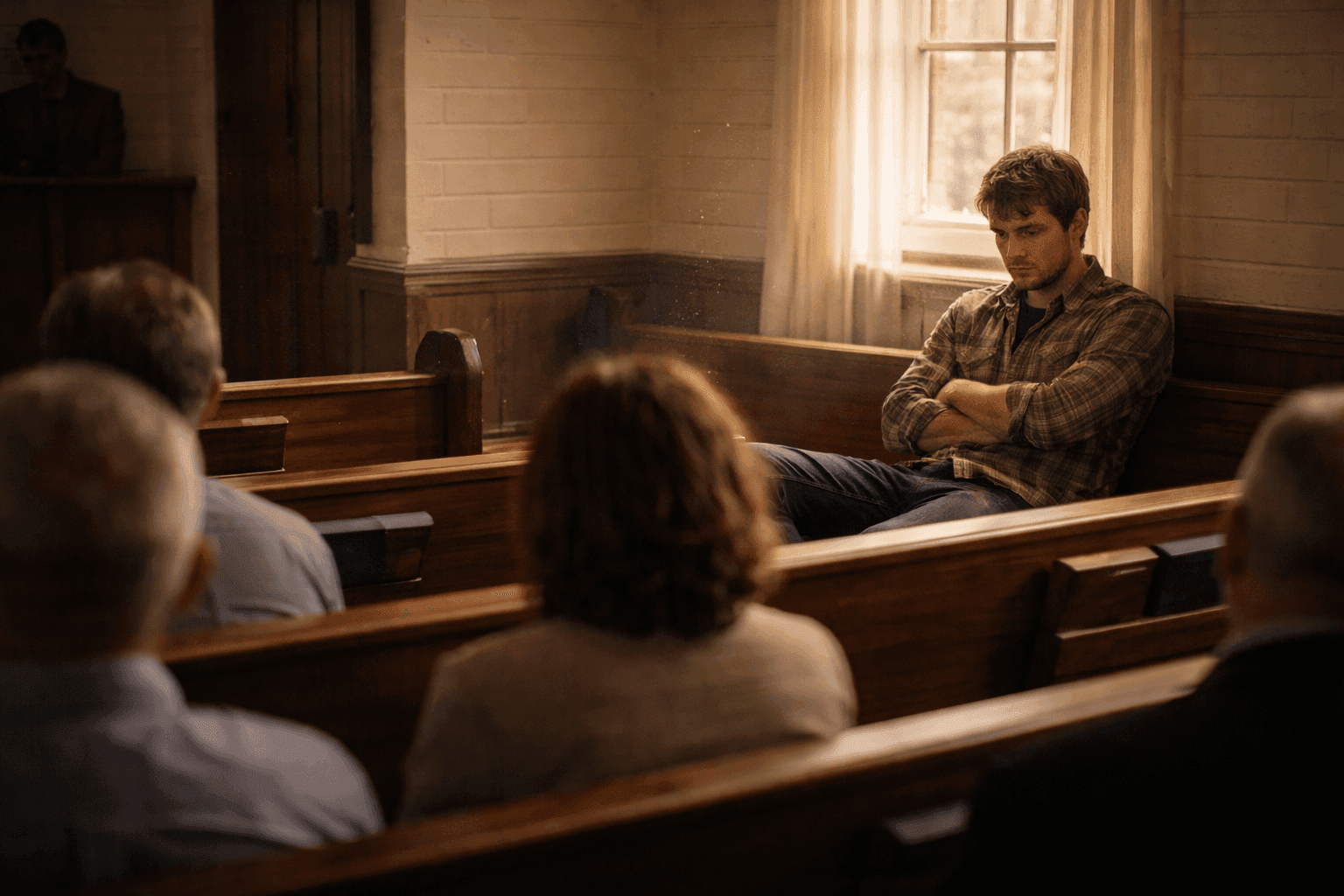
I was a creaster. You know the type. Christmas and Easter, twice a year, dragged to church by someone who loved me and thought it might help.
For ten years, I showed up to my mother-in-law's church. High. Hungover. Smelling like whatever I'd been into the night before. Looking like, as I'd put it now, straight hell.
Twenty opportunities. At least twenty times I sat in that building where people talked about a God who saves.
And not once did anyone say a word to me.
Treated Like Trash
My friend Rob Reynolds tells a story that hits close to home for a lot of us who came out of addiction.
He was married to a woman whose mother was a Christian. She made them come to church on the holidays. And Rob would show up wrecked. Everybody could see it. Everybody knew.
"I remember being so high," Rob told me. "Nobody came over and shared Jesus with me. They kind of left me sit in the corner. I didn't want to listen to the pastor, but nobody bothered to tell me there was an answer. I just felt like I was treated like I was trash."
Twenty opportunities over ten years. And the church didn't know what to do with him.
This isn't an isolated story. I've heard versions of it dozens of times from people in recovery. They showed up. They were a mess. And the religious folks just kind of froze.
The Gap Between Invitation and Engagement
Here's what's strange about this. Churches will put up billboards. They'll run ads. They'll talk about being a place for broken people. "Come as you are," they say.
And then someone actually does.
They come smelling like weed. Track marks visible. Eyes bloodshot. Clothes wrinkled. And suddenly nobody knows what to say.
I experienced this myself. My family kept telling me to go to church, that it would help change me. So I went. With track marks on my arms. And the church folks just stared. They had no grid for someone like me actually showing up.
It's not that they were mean. Most of them probably weren't. They just didn't know what to do. They'd never been trained for it. Never thought about it. The messy people were supposed to get cleaned up first, then come to church. Not the other way around.
But that's not how Jesus operated.
The Deacon Who Made It Worse
Rob's story gets worse before it gets better.
At one point, he was trying to get clean. He had a second kid and thought maybe a change of scenery would help. His wife's uncle was a Sunday school teacher and a deacon, so Rob figured he'd go work with him doing plumbing. Maybe being around a Christian would rub off.
Instead, the guy cussed him out every day. Told him he was stupid. Said he'd never amount to anything.
"That put another bad taste in my mouth for church," Rob said.
Here was a man in crisis, reaching out toward the only thing he thought might help, and the representative of the church made him feel worse than anyone ever had.
This is how church hurt happens. Not always through dramatic scandal. Sometimes just through coldness. Judgment. Religious people who talk about grace but don't know how to extend it to someone who's actually drowning.
What Should Have Happened
I think about those twenty opportunities Rob had. All those holiday services. All those moments when someone could have just walked over and said, "Hey man, I don't know what you're going through, but I'm glad you're here. Can I get you a coffee sometime?"
That's it. Nothing complicated. No four-step evangelism plan. Just basic human acknowledgment that he existed and mattered.
The church should be the safest place in the world to struggle. It should be the one place where showing up broken doesn't get you relegated to the corner. Where someone sees the mess and moves toward it instead of away.
Rob eventually found Jesus. Not in that church. In a prison chapel, through a ministry that served cookies and actually engaged with him. People who hugged him even when he didn't want it. Who kept showing up. Who wrote him a scripture and prayed for him all night.
That's what it looks like when the church knows what to do with the addict in the room.
The Invitation
If you're part of a church, let me ask you something. What would you do if Rob showed up this Sunday?
Not cleaned-up Rob. Not twelve-years-sober Rob. The Rob who was high, hungover, and sitting in the corner hoping nobody noticed him.
Would you move toward him? Would you say something? Or would you leave him alone because you didn't know what to say?
The next Rob is probably already in your building. Sitting in the back. Hoping someone sees him. Wondering if this Jesus thing is real or if church people are just as lost as everyone else.
Don't let twenty opportunities go by.
Say something.
This article is based on a conversation from the Rebuilding Life After Addiction podcast. Listen to the full episode here.

Justin Franich
Justin Franich is a Teen Challenge graduate who overcame a meth addiction and has been clean since 2005. He spent over a decade leading Christ‑centered recovery programs and now serves as Executive Director of Shenandoah Valley Adult Teen Challenge, helping families find the right path forward and supporting people as they rebuild life after addiction.
Read my story →You don't have to figure this out alone.
We help families find the right faith-based recovery program.
Get Help →Or call: 540-213-0571
This page came out of real ministry, not internet theory. We take the calls, help families think clearly, and point people toward Christ-centered programs that can actually walk with them. If that matters to you, help us keep doing it for the next family.
Related Articles

Bible Verses for Anxiety When Someone You Love Is Addicted
Scripture for the guilt, the late-night phone check, the boundaries you don't know how to set. Written for families who love someone in addiction.

When Your Loved One’s Addiction Ruins Your Summer Vacation
You were counting down the days. Then it happened-a broken promise, that familiar look. What was meant to restore you now feels stolen. Speaking truth in love means holding hope and honesty at the same time.

How to Help a Recovering Addict
You've tried everything. Talked, pleaded, set boundaries, prayed. The most powerful help isn't fixing the problem-it's believing for them when they can't believe for themselves, restoring their purpose, and helping them release guilt.

How Could You Help Someone Else If You Can't Help Your Own Family?
My dad started a recovery ministry while watching addiction tear through his own kids. The enemy told him he had no business helping anyone. The enemy was wrong.