
We're Only As Sick As Our Secrets: Why Transparency Sets You Free
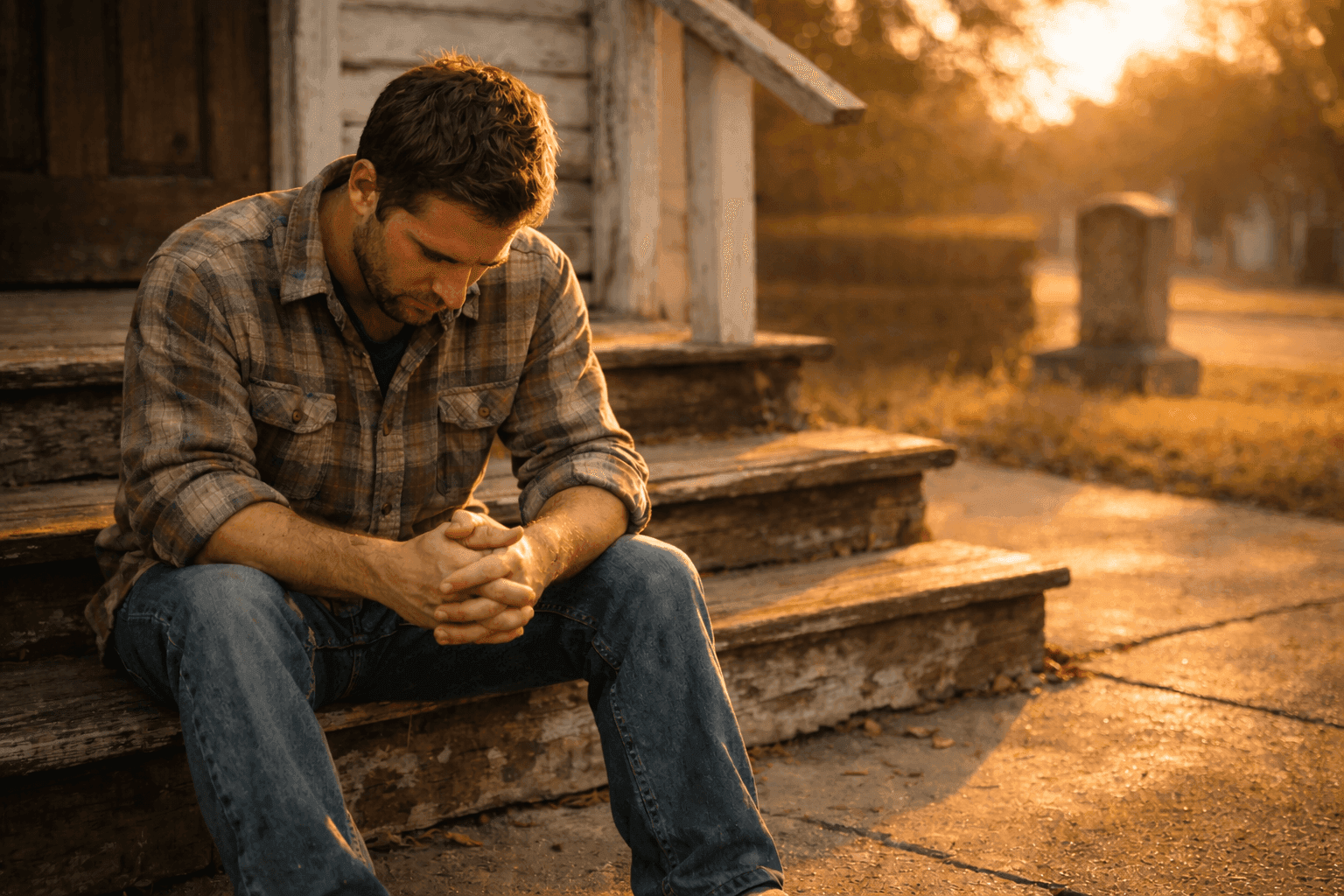
There's a phrase that's been floating around recovery circles for decades: "We're only as sick as our secrets."
It sounds like a bumper sticker. Something you nod at and forget. But the longer I walk with people through addiction and recovery, the more I realize it's one of the truest things ever said about the human condition.
The things we bury don't stay buried. They fester. They grow. They whisper to us in the dark and convince us we're the only ones who've ever struggled with this particular brand of brokenness.
And the enemy loves it that way.
The Power of What's Hidden
Here's what I've learned after nearly two decades of walking in freedom from addiction: the stuff we refuse to talk about has power over us. Not because it's uniquely terrible, but because isolation is where shame does its best work.
Think about it. When you're carrying something you've never told anyone, what happens? You start believing you're the only one. You convince yourself that if people really knew, they'd be done with you. You perform your way through relationships, showing people the version of yourself you think they can handle while the real stuff stays locked away.
Robert Grant, a friend of mine who's been walking in sobriety for over a decade, put it this way: when you finally release something to a trusted brother or sister, "it can't enter back in unless you give it room to."
That's not just psychology. That's spiritual reality.
Why We Stay Silent
So if transparency is the path to freedom, why do so many of us stay buttoned up?
Robert named something I think a lot of people feel but rarely say out loud. It comes down to identity and fear.
"I don't want people to perceive me differently," he told me. "If I share something with somebody, I don't even know if I can trust you in that matter because I'm so afraid that if it gets leaked out, now people are going to perceive me differently than I already am."
There it is. We're not just afraid of judgment. We're afraid of being redefined by our worst moments. We're afraid that one confession will erase everything else people know about us.
And honestly? Sometimes that fear is justified. Not everyone deserves access to your deepest struggles. Some people will weaponize your vulnerability. Some will gossip. Some will look at you differently.
But here's the thing: living in hiding isn't actually protecting you. It's imprisoning you.
The Freedom of Full Transparency
I talk openly about my history with crystal meth. Have for years. And you know what's interesting about that? There's no ability for anyone to gossip about it. There's no scandal to uncover. There's no leverage anyone can hold over me.
It's all out in the open. And that openness is one of the most freeing things I've ever experienced.
When people ask me why I still talk about something that happened nearly twenty years ago, my answer is simple: I don't want to forget. That weakness, that season where I couldn't fix myself no matter how hard I tried, that's where God's power showed up. Why would I stop talking about it when it still points people to him?
Paul understood this. The guy had every reason to flex his credentials, his revelations, his accomplishments. Instead, he kept circling back to his weaknesses. "Among sinners, I was the chief." Not because he was stuck in the past, but because his past Christ's present power on display.
Second Corinthians says it plainly: God's strength is made perfect in weakness. Not in spite of weakness. In it.
Finding Your Two or Three
Now, I'm not saying you should post your darkest secrets on social media. That's not wisdom. That's chaos.
What I am saying is that you need two or three people in your life who get full access. People you can call at 2am. People who've earned the right to see you at your worst and won't flinch.
Jesus modeled this. He had crowds, he had the twelve, but then he had Peter, James, and John. The inner circle. The ones who went up the mountain with him. The ones who saw him in Gethsemane.
If you're rebuilding your life after addiction, this is non-negotiable. You cannot white-knuckle your way to freedom alone. You need people who will sit with you in the mess, not just celebrate with you when you're winning.
Robert learned this in Teen Challenge. They taught him to identify his inner circle, his outer circle, and his acquaintances. Different levels of access for different relationships. Not everyone gets everything. But someone has to get the real stuff.
The Question That Matters
So here's the question: Who has full access to you right now?
Not who do you hang out with. Not who likes your posts. Who actually knows what you're carrying?
If you can't name two or three people, that's your next step. Not building a platform. Not reading another book. Finding your people.
Because the secrets you're keeping aren't protecting you. They're keeping you sick.
And freedom is waiting on the other side of honesty.
This article is based on a conversation from the Rebuilding Life After Addiction podcast. Listen to the full episode here.
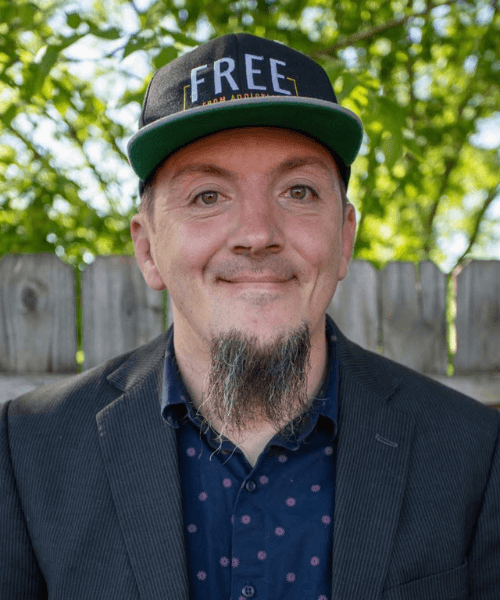
Written by
Justin Franich
Former meth addict, Teen Challenge graduate (2005), and recovery ministry leader with nearly two decades helping families navigate addiction through faith-based resources.
Continue Your Journey
Should You Tell Your Kids About Your Addiction?
How much should you tell your kids about your past? A guide for parents in recovery on sharing your story wisely, protecting innocence, and building trust.
Related Articles

Share this article
Need help for your family?
If you or someone you love is struggling with addiction, you don't have to face it alone. Reach out today and take the first step toward hope and restoration.