
Christian Rehab Centers

Searching for a Christian rehab center at 2 a.m. while your loved one is passed out in the other room is not how anyone imagined spending their Tuesday night. Yet here you are, scrolling through websites that all seem to promise the same thing: faith, hope, transformation. The photos look similar. The language blurs together. And somewhere in the back of your mind, you're wondering if any of this actually works or if you're just grasping at something that sounds better than the alternatives.
You want a program that takes faith seriously. Not a secular facility with a chapel tacked on as an afterthought, but something that addresses the spiritual roots of addiction. At the same time, you've heard enough stories to know that not every program with a cross on the logo delivers what it promises. This guide is meant to help you navigate that landscape. We've spent over twenty years connecting families to faith-based programs, and we've learned a few things about what works, what doesn't, and what questions actually matter.
What Makes a Rehab Center "Christian"
The term "Christian rehab center" covers an enormous range of programs. On one end of the spectrum, you have facilities that are essentially secular treatment centers with a chaplain available upon request. Faith is an option, not a framework. On the other end, you have fully integrated discipleship programs where Scripture, prayer, and spiritual formation are woven into every aspect of daily life.
Neither approach is automatically right or wrong. But families need to understand where a program falls on that spectrum before writing a check. A center that mentions faith in its marketing materials may treat it as a side offering rather than the foundation. Meanwhile, a program that looks intense on the surface might be exactly what your loved one needs to break patterns that counseling alone hasn't touched.
The question isn't whether a program uses the word "Christian." The question is whether faith shapes the culture, the curriculum, and the daily rhythms of life inside those walls.
Questions to Ask Any Faith-Based Program
Before enrolling a loved one in any Christian rehab center, families should get clear answers to a handful of critical questions.
Start with the practical. What is the program's length? Thirty days is standard in the treatment industry, but lasting change often requires more time. Ask about their approach to aftercare and what kind of support exists after graduation. A program that invests heavily in the first month but disappears afterward is setting families up for disappointment.
Ask about cost and what it covers. Some programs charge tens of thousands of dollars. Others, like many Teen Challenge centers, operate on a donation-based model and cost families very little. We've put together a detailed breakdown of Teen Challenge costs for families trying to understand their financial options.
Ask how the program measures success. This one gets uncomfortable, but it matters. Some programs tout impressive numbers that fall apart under scrutiny. Others are honest about the difficulty of tracking long-term outcomes. A program willing to have a candid conversation about success and failure is usually one worth taking seriously.
Finally, ask about the staff. Are they credentialed? Do they have personal experience with recovery? What kind of training do they receive? The answers reveal a lot about whether the program is built on professionalism or good intentions alone.
Types of Christian Rehab Centers
Faith-based recovery options generally fall into a few categories.
Short-term medical detox programs focus on getting someone physically stable. They address withdrawal symptoms and immediate health concerns, but they're not designed for long-term transformation. Think of them as the emergency room of recovery. Necessary for some situations, but not a solution by themselves.
Thirty-day residential programs provide more structure. They typically combine counseling, group therapy, and some level of spiritual programming. These can be helpful for people with shorter histories of substance use or strong support systems waiting at home. For others, thirty days simply isn't enough time to rewire the patterns that led to addiction in the first place.
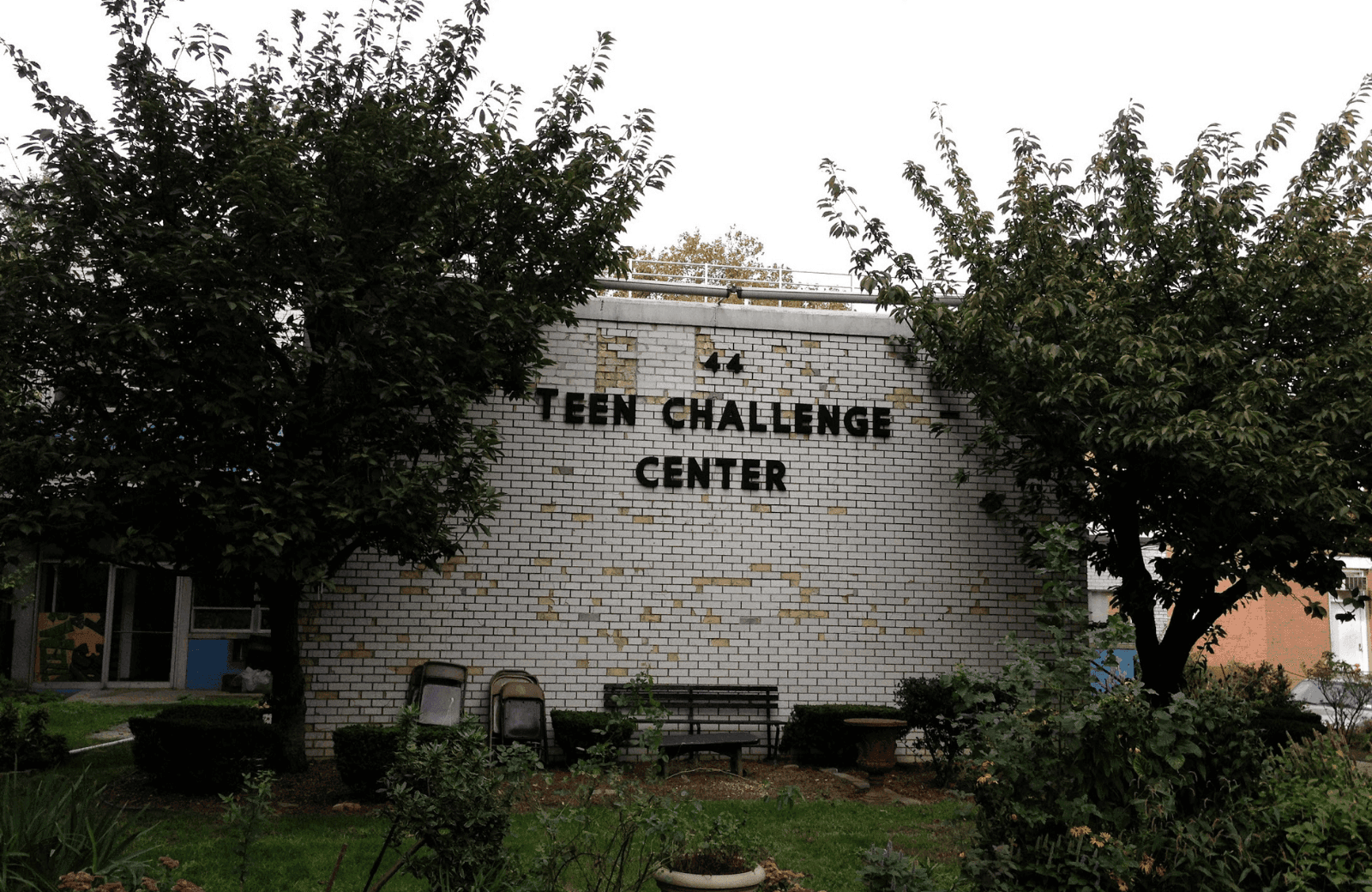
Long-term discipleship programs take a different approach entirely. These usually run anywhere from six months to over a year. The model is less clinical and more formational. Residents live in community, study Scripture, work through structured curriculum, and rebuild their lives from the ground up. Teen Challenge is the largest network operating in this space, with over two hundred centers across the country. For families unfamiliar with how these programs work, we've written an overview of what Teen Challenge is and what families can expect.
Where Teen Challenge Fits
Teen Challenge isn't the only faith-based option, but it's one we know well. The model is built around long-term discipleship rather than short-term treatment. Residents typically stay for twelve months or longer. The program is holistic, addressing spiritual formation, life skills, education, and work ethic alongside addiction recovery.
One of the things that sets Teen Challenge apart is accessibility. Many centers operate on a sliding scale or donation basis, making the program available to families who couldn't otherwise afford residential care. That matters when you're watching someone you love spiral and your savings account is already drained from previous attempts at help.
Teen Challenge isn't a fit for everyone. The program requires a willingness to engage with faith, and the structure is more demanding than some alternatives. But for families looking for a program with a proven track record and a Christ-centered foundation, it belongs in the conversation. For those narrowing their options, we've compiled a list of questions to ask before enrolling in Teen Challenge to help with that decision.
Red Flags to Watch For
Not every program with Christian branding deserves your trust. Some warning signs should prompt serious caution.
Be wary of programs that promise guaranteed results. Addiction recovery is difficult. Relapse rates are significant across every treatment model. Any center claiming a near-perfect success rate is either lying or using metrics so narrow they're meaningless.
Watch out for programs that emphasize prosperity theology or treat faith as a magic formula. Recovery is not a transaction where enough belief automatically produces sobriety. Programs built on that foundation often leave graduates confused and ashamed when the struggle continues.
Ask about accountability and oversight. Who runs the organization? Is there a board? Are finances transparent? Programs that resist basic questions about structure and funding may have something to hide.
Finally, trust your instincts about the staff. If conversations feel evasive or high-pressure, pay attention. Good programs don't need to manipulate families into saying yes.
The Role of Faith in Lasting Recovery
After twenty years of walking with families through addiction and recovery, we've observed something consistent: the people who stay free tend to be the ones who found something worth living for beyond sobriety itself.
Secular programs often focus on managing addiction. They teach coping skills. They address trauma. They help people understand triggers. All of that matters. But for many people caught in addiction, the deeper issue isn't just the substance. It's the emptiness underneath. The shame. The purposelessness. The sense that nothing is ever going to change.
Faith speaks to that emptiness in a way that therapy alone often cannot. Not as a quick fix or a spiritual shortcut, but as an invitation into a different kind of life. One where identity isn't defined by past failures. One where community exists beyond the treatment center walls. One where purpose extends further than just not using today.
This isn't a sales pitch for religion. It's an observation from the field. The people who rebuild their lives and keep them rebuilt are usually the ones who find something transcendent to anchor them when the waves come. For many, that anchor is Christ.
Taking the Next Step
Choosing a Christian rehab center is one of the most significant decisions a family can make. The stakes are high. The options are overwhelming. And the pressure to get it right feels crushing when someone you love is running out of time.
We don't operate a residential program ourselves. But we've spent decades learning the landscape, building relationships with programs we trust, and walking alongside families trying to navigate these decisions. We know what questions to ask. We know which programs deliver on their promises and which ones fall short. And we're here to help you think through your options without the pressure of a sales call.
If you're ready to talk through next steps, reach out to us. We'll help you figure out what makes sense for your family and connect you with the resources you need.
Related Resources
How to Help Someone with Addiction: Complete Family Guide
What Is an Intervention? A Family Guide
Written by
Justin Franich
Former meth addict, Teen Challenge graduate (2005), and recovery ministry leader with nearly two decades helping families navigate addiction through faith-based resources.
Continue Your Journey

To Testify or Not to Testify?
Should you wait until the struggle is over to share your story? Like a drowning person being thrown a lifejacket, sometimes testimony isn't the reward for victory-it's part of how victory comes.
Related Articles

Share this article
Need help for your family?
If you or someone you love is struggling with addiction, you don't have to face it alone. Reach out today and take the first step toward hope and restoration.