Understanding the Program
What Is Teen Challenge?
The world’s largest faith-based addiction recovery program. Over 1,400 centers in 140+ countries. Sixty-five years of helping people find freedom through discipleship.
Teen Challenge is a long-term, faith-based residential recovery program that typically runs 12 to 18 months. Founded in 1958 by David Wilkerson in Brooklyn, New York, it has grown to over 1,400 centers in more than 140 countries. Residents live on-site, study the Bible, participate in work therapy, and rebuild their lives through structured discipleship. Most programs are free or low-cost, funded by donations rather than insurance. Despite the name, the majority of participants are adults. Shenandoah Valley Teen Challenge serves Virginia’s Shenandoah Valley with referrals, family support, and community resources.
1958
Founded
1,400+
Centers Worldwide
200+
U.S. Locations
12-18 months
Program Length
Key Distinction
12-18 months, not 30 days.
Teen Challenge gives people something most programs can’t: time. Twelve to eighteen months of structured discipleship, daily accountability, and Christ-centered community. That’s enough time to address the identity, the relationships, and the spiritual life underneath the addiction—not just the substance itself. At Shenandoah Valley Teen Challenge, we help families navigate these options and find the right long-term fit.
Learn more: How to choose a faith-based program
How Teen Challenge Started
The story begins with a skinny Pentecostal preacher from rural Pennsylvania named David Wilkerson. In 1958, Wilkerson felt God calling him to New York City to minister to gang members he’d read about in a magazine. He had no contacts, no plan, and no idea what he was walking into. He just went.
What he found in Brooklyn was a world of violence, heroin addiction, and young people who had been written off by everyone. Wilkerson started holding street meetings, building relationships, and eventually opened a small center where gang members could come off the streets and find a different path.
One of those gang members was Nicky Cruz, a violent leader of the Mau Maus who would later become an evangelist himself. Wilkerson wrote about those early years in “The Cross and the Switchblade,” which became a bestselling book and later a film.
From that one storefront in Brooklyn, Teen Challenge grew into a global network. The approach remained consistent even as the ministry expanded: meet people where they are, bring them into community, disciple them through Scripture, and give them time to rebuild. Sixty-five years later, that’s still what happens in Teen Challenge centers around the world.
“It is not the healthy who need a doctor, but the sick. I have not come to call the righteous, but sinners.”
Mark 2:17
How Teen Challenge Works
Teen Challenge is residential, meaning participants live on-site for the duration. This isn’t outpatient counseling or a support group. It’s a complete change of environment, which is often exactly what someone needs when their current environment is what’s killing them. Shenandoah Valley Teen Challenge can walk you through what daily life looks like and help you prepare.
A Typical Day
Morning
Personal devotions, breakfast, classes
Midday
Bible study, life skills curriculum, chapel
Afternoon
Work therapy and vocational training
Evening
Dinner, group time, personal study
The curriculum covers Bible study, life skills, anger management, financial literacy, and other topics. Chapel services happen regularly, sometimes daily. Work therapy contributes to facility operations through landscaping, maintenance, cooking, or other tasks.
The Three Phases
Phase 1
Stabilization
Adjusting to the schedule and beginning to engage with community. Detox should be completed before entry. Teen Challenge is not a medical facility. The focus is on physical and emotional stabilization.
Phase 2
Formation
Deeper spiritual formation, personal growth, and developing practical skills. This is where the real discipleship work happens.
Phase 3
Reentry
Preparing for life after graduation: finding housing, securing employment, connecting with a local church, and building a support network.
Learn what happens in the final phase: Life after Teen Challenge graduation
The name causes confusion.
Teen Challenge sounds like it’s for teenagers, but most residents today are adults. The “Teen” in the name is historical, from when David Wilkerson was working with teenage gang members in Brooklyn in 1958. As the ministry expanded across the country and around the world, it began serving older populations, but the name had already become the brand.
Many centers now operate under the name “Adult & Teen Challenge” to clarify who they serve. The typical age range is 18 and older, with no strict upper limit. Some residents are in their 50s and 60s. As long as someone is physically able to participate in the daily structure, age is not a barrier.
Today, Teen Challenge serves men and women in separate facilities. Find men’s and women’s programs in Virginia →
Residents come from everywhere:
The common thread isn’t demographics. It’s desperation. People come when they’ve run out of options and are ready to try something different.
Does Teen Challenge Work?
Studies consistently show 67-86% of graduates report being drug-free. But success means more than staying sober. It means becoming a different person: restored identity, healthy relationships, connection to faith community, and purpose beyond just not using.
No program works for everyone, and anyone who promises a guaranteed outcome is lying. But for families who have watched their loved one cycle through program after program, Teen Challenge offers something different: long-term, faith-centered transformation. At Shenandoah Valley Teen Challenge, we’ve seen this firsthand in the lives of our graduates.
Read the Full Success Rate Breakdown →67-86%
of graduates report being drug-free
Success means more than staying sober.
It means becoming a different person: restored identity, healthy relationships, connection to faith community, and purpose beyond just not using. That’s a high bar, and not everyone reaches it. But many do.
For families who have watched their loved one cycle through program after program, seeing genuine transformation is worth everything.
FREE RESOURCE
5 Questions to Ask Before Choosing a Recovery Program
I put together the questions I'd want my own family to have if they were evaluating programs. Whether it's Teen Challenge or something else, these are the things that actually matter.
I'll also send occasional encouragement and resources. You can unsubscribe anytime.
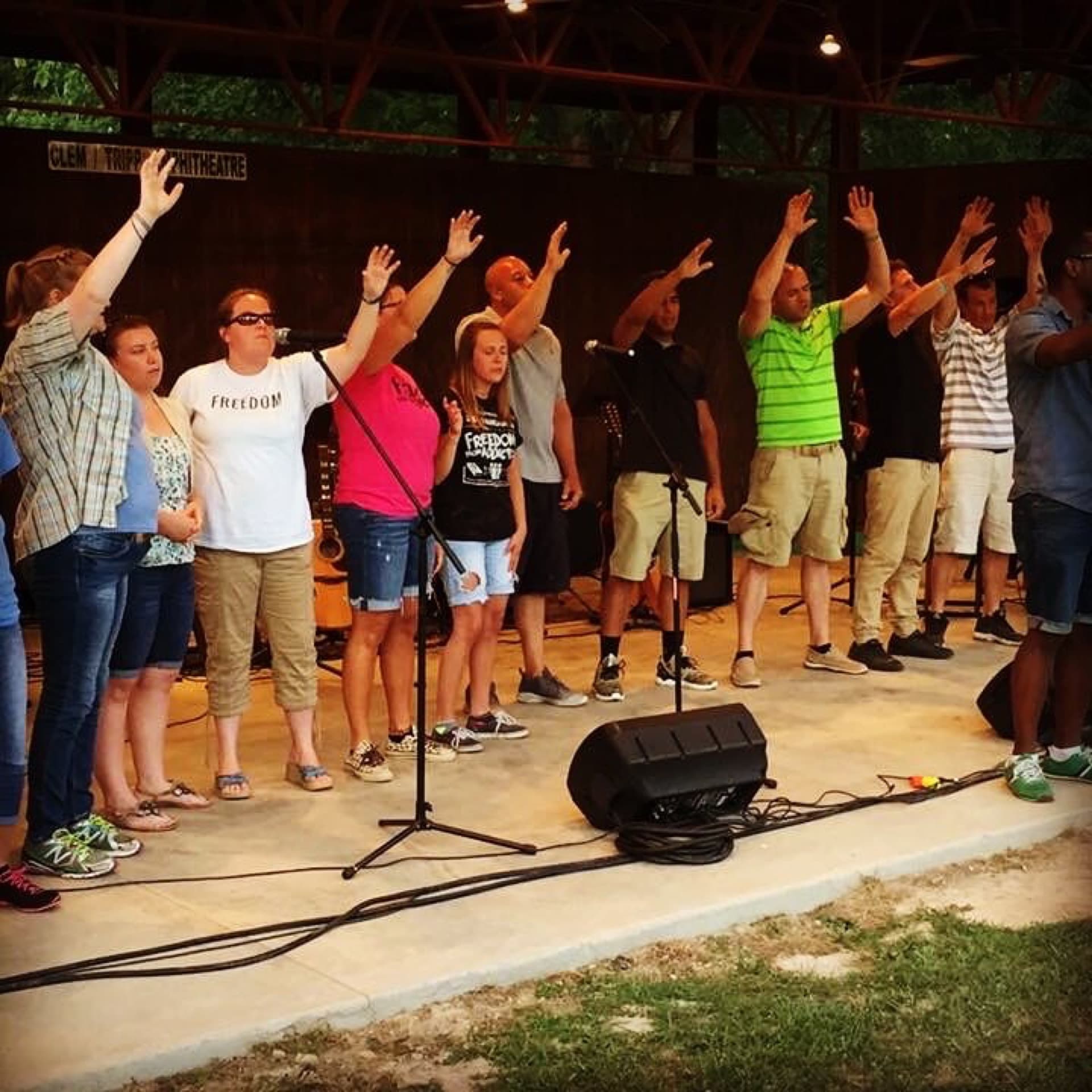
See what transformation looks like.
Taking the Next Step
How to Get Help
The Teen Challenge network has centers across the country. You can search the national directory to find programs by state. Each center operates independently, so you’ll need to contact them directly about availability, requirements, and cost.
When you call, be prepared to answer: Who is the program for? What substances are involved? Any medical or legal issues? Is the person willing to enter voluntarily?
In Virginia?
Shenandoah Valley Adult Teen Challenge can help.
We offer free referral services to help families navigate the process. We can connect you with the right program based on your loved one’s specific needs, whether that’s a men’s or women’s facility.
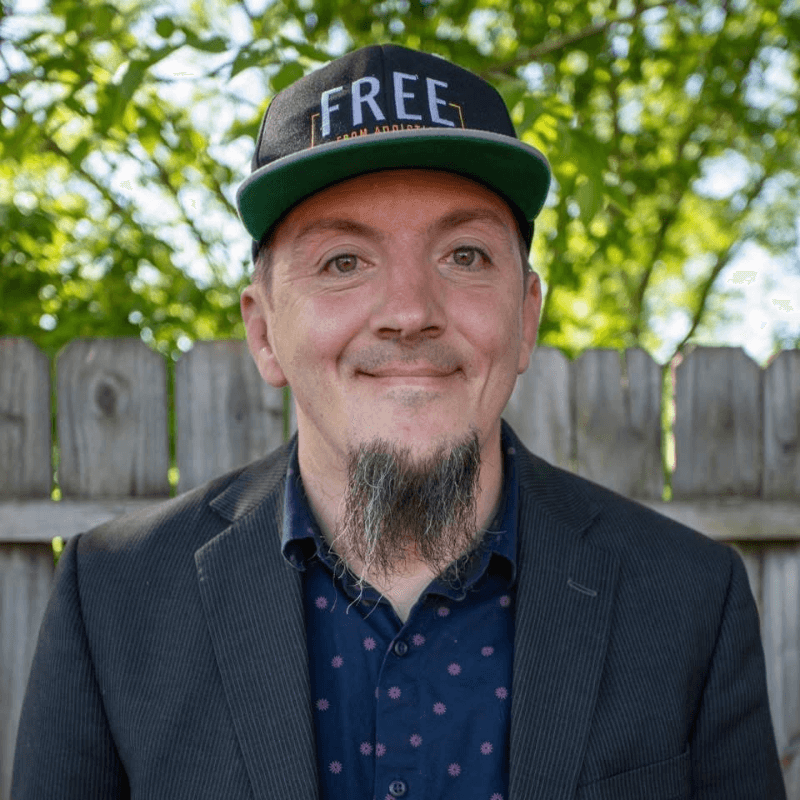
Justin Franich
Justin Franich is a Teen Challenge graduate who overcame a meth addiction and has been clean since 2005. He spent over a decade leading Christ‑centered recovery programs and now serves as Executive Director of Shenandoah Valley Adult Teen Challenge, helping families find the right path forward and supporting people as they rebuild life after addiction.
Read my story →Frequently Asked Questions
Last updated: January 2026
Your Family Doesn't Have to Face This Alone
We're here to listen, guide, and pray with your family.
Call or Text 540-213-0571
Resources
Helpful Resources
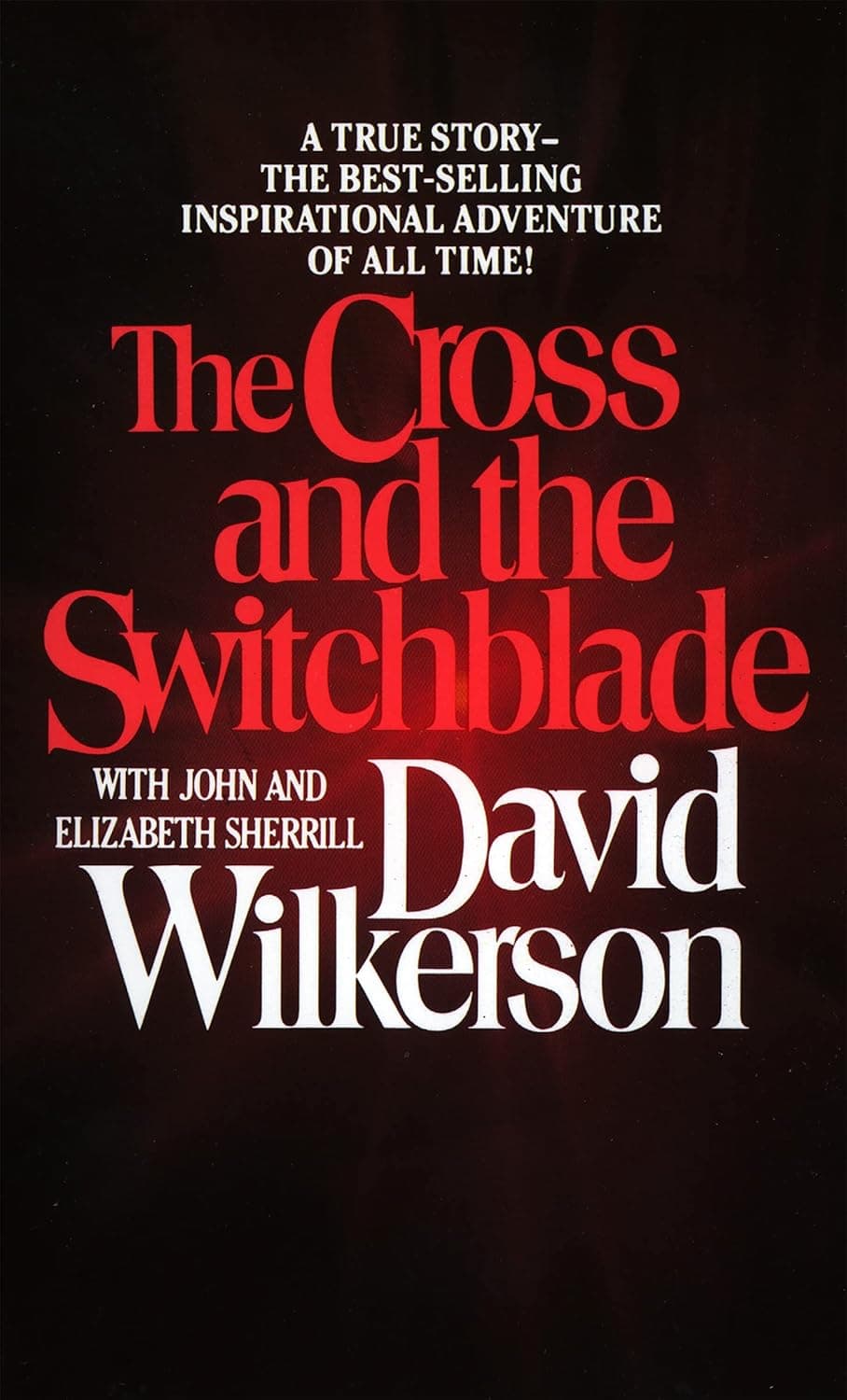
The Cross and the Switchblade -David Wilkerson
The book that started it all. The story of how Teen Challenge was born on the streets of New York.
View on Amazon
Run Baby Run -Nicky Cruz
The most famous transformation story to come out of Teen Challenge. A New York gang leader's journey from violence to faith.
View on Amazon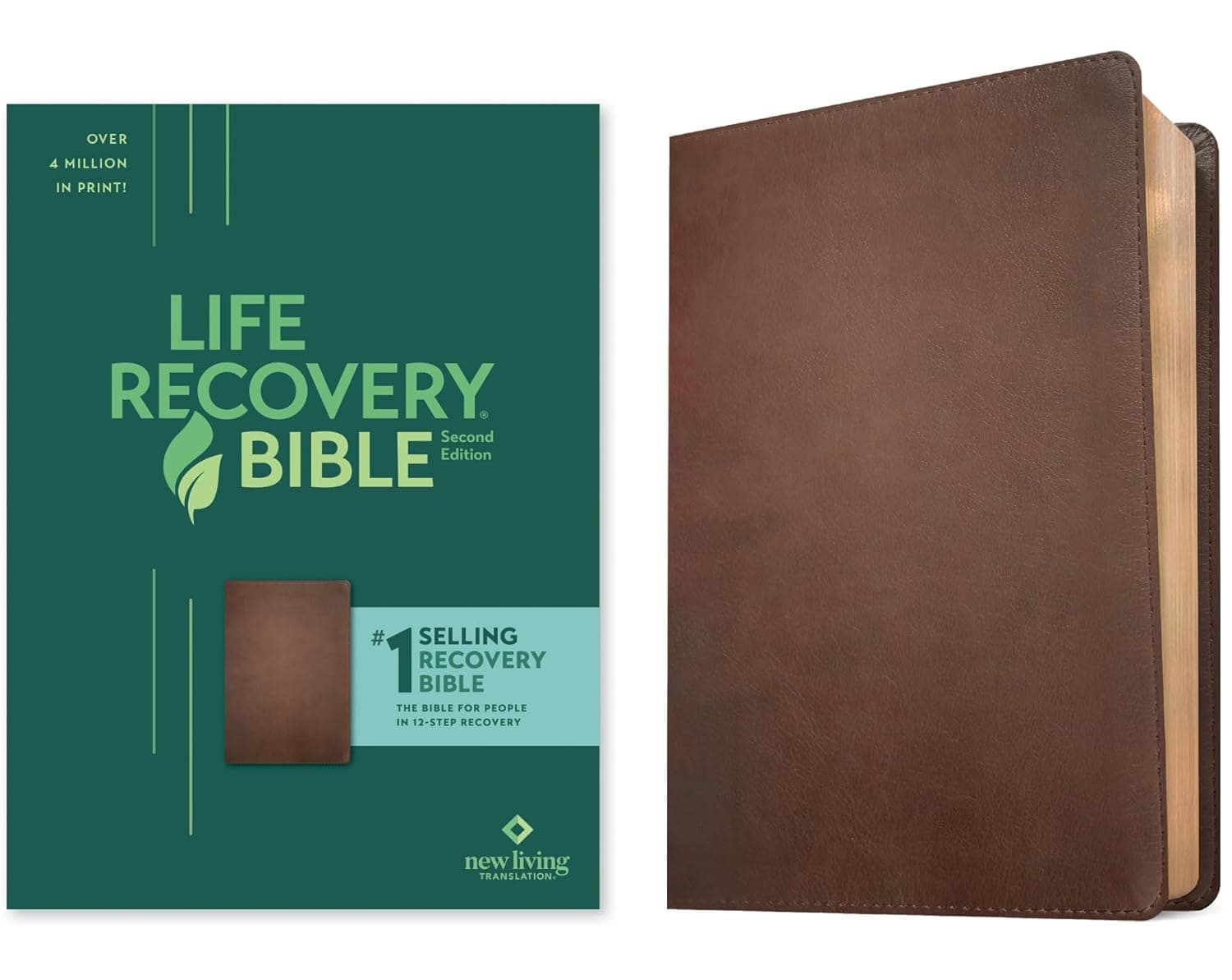
The Recovery Bible
A Bible built for the journey, with notes and devotions specifically for people walking through addiction and restoration.
View on Amazon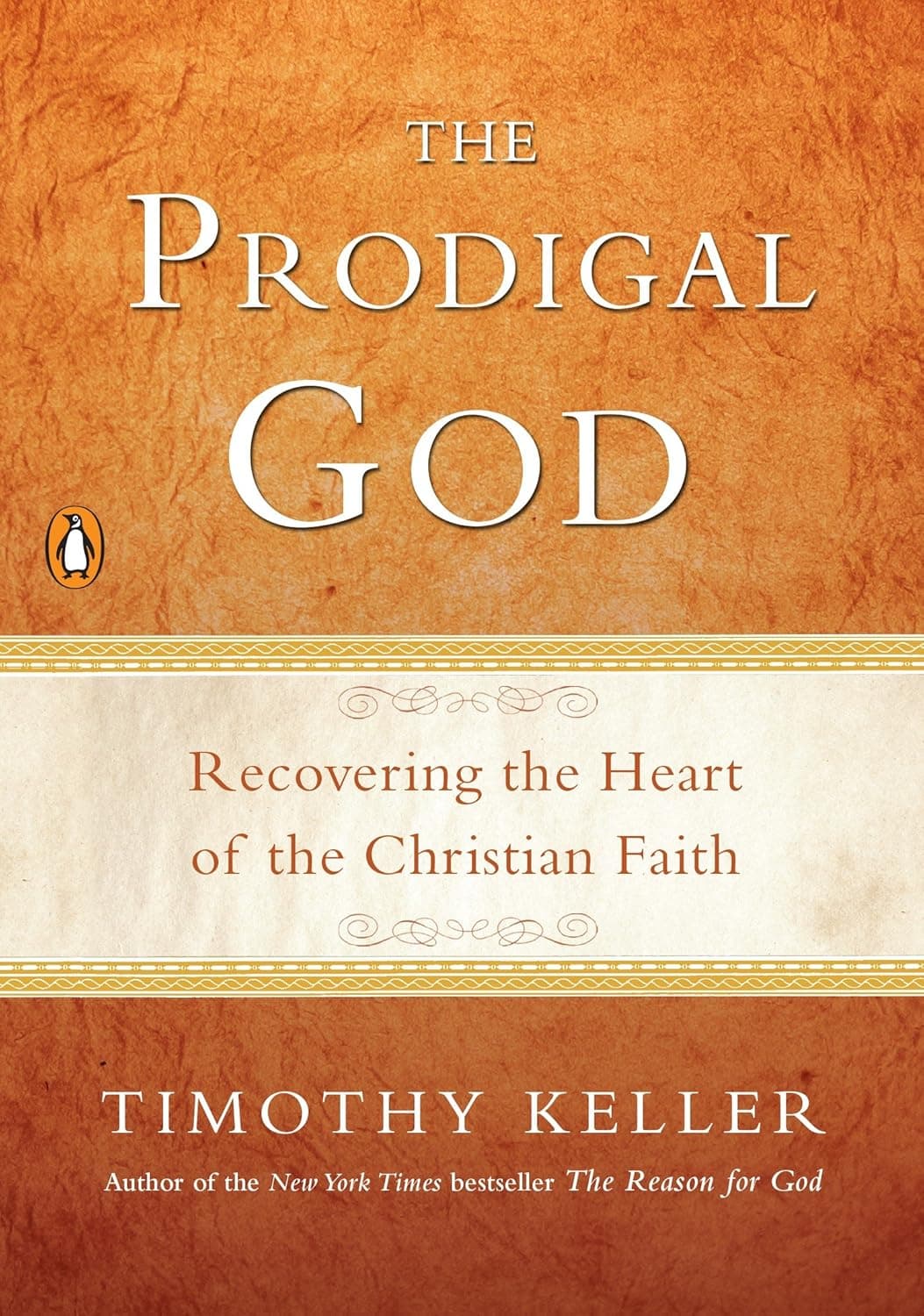
Prodigal God -Timothy Keller
The best book ever written on the parable of the prodigal son. Keller unpacks both sons -and why the "good" one might be further from home.
View on Amazon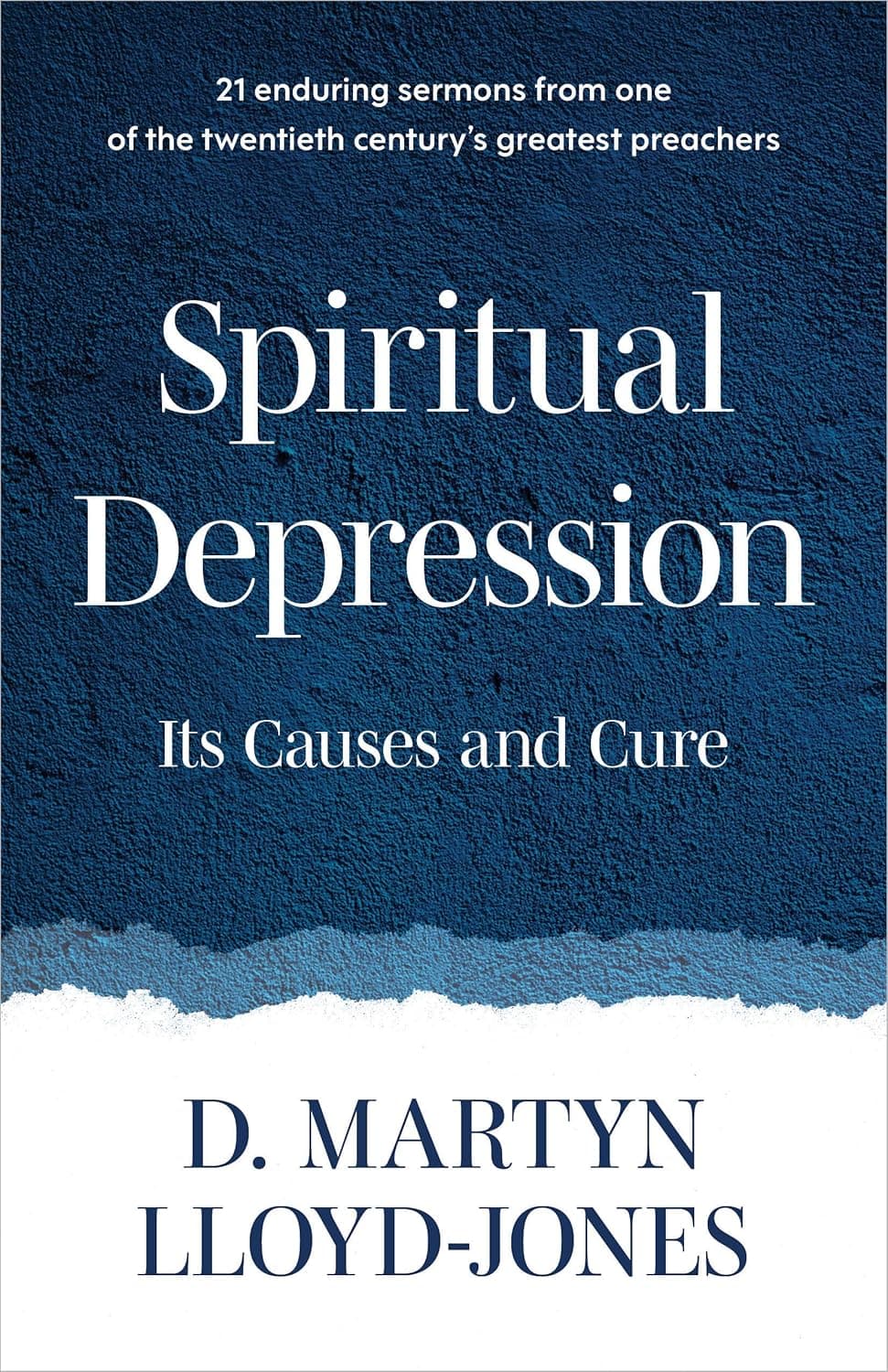
Spiritual Depression -Martyn Lloyd-Jones
The classic book on faith and depression. Lloyd-Jones addresses the root causes of spiritual darkness with honesty and biblical depth.
View on Amazon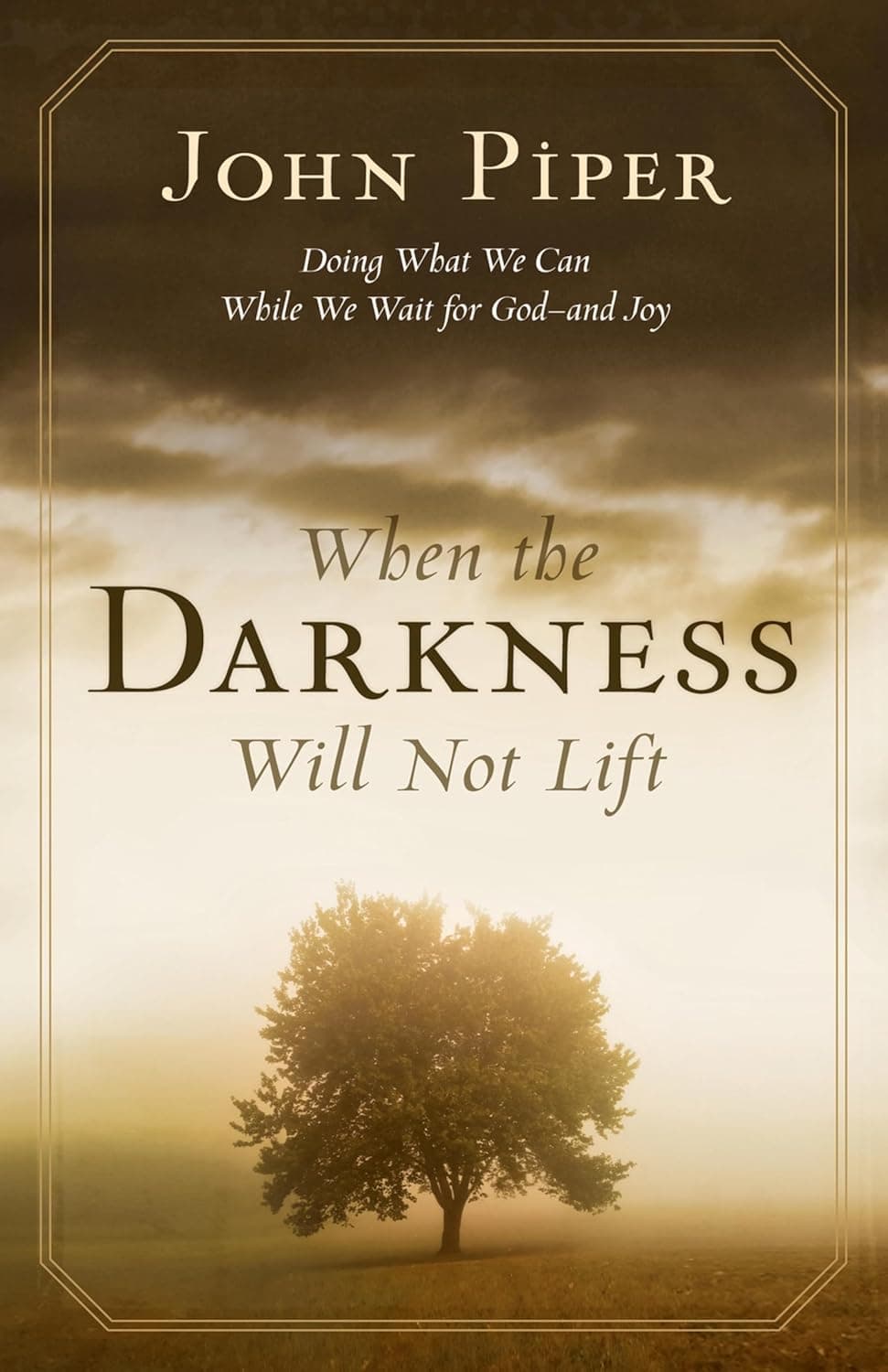
When the Darkness Will Not Lift -John Piper
Short, honest, and pastoral. Piper writes for the person who is doing everything right and still can't find the light.
View on Amazon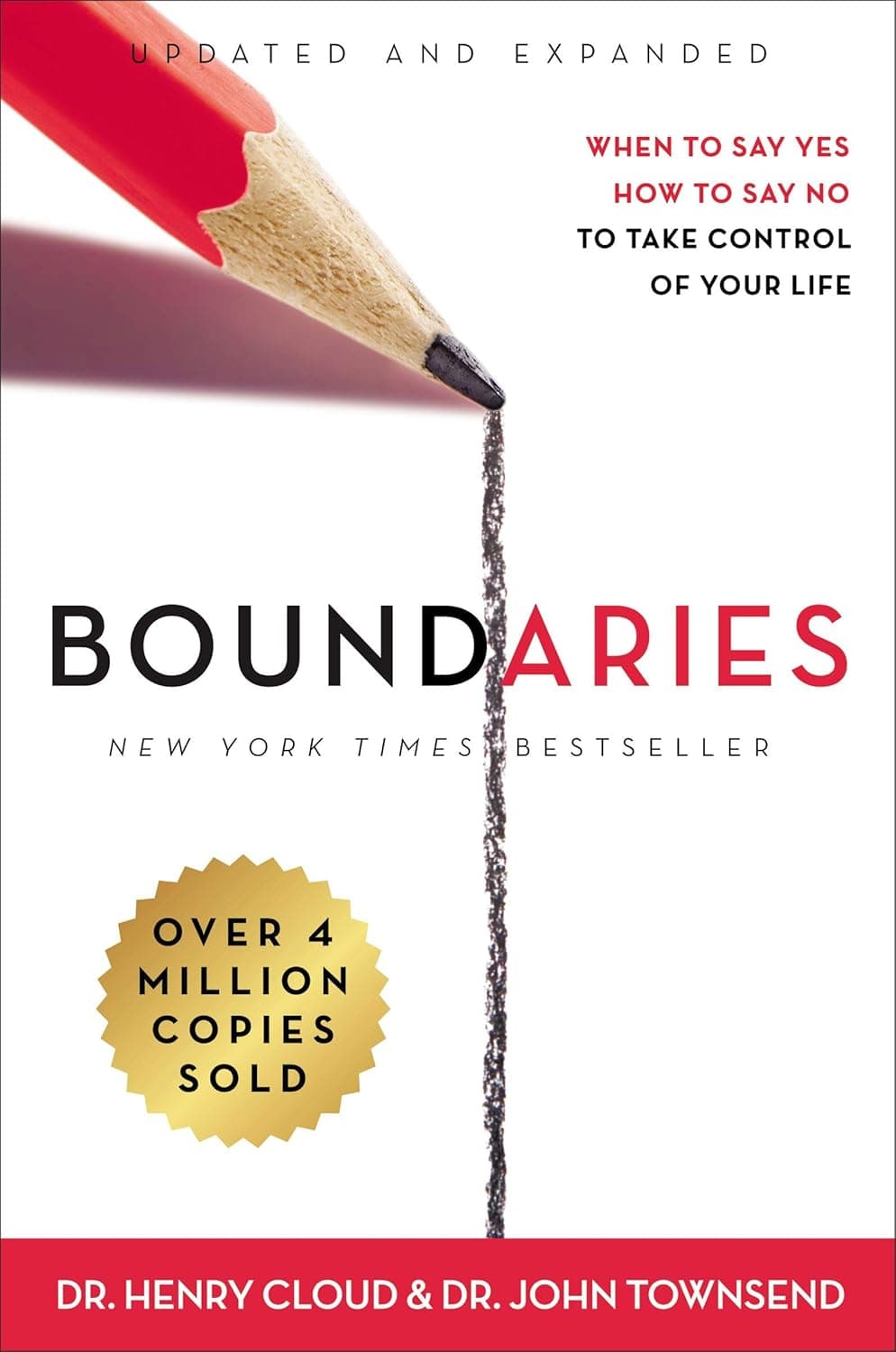
Boundaries -Cloud & Townsend
The definitive Christian guide to healthy relationships. Essential reading for any family navigating someone else's addiction.
View on Amazon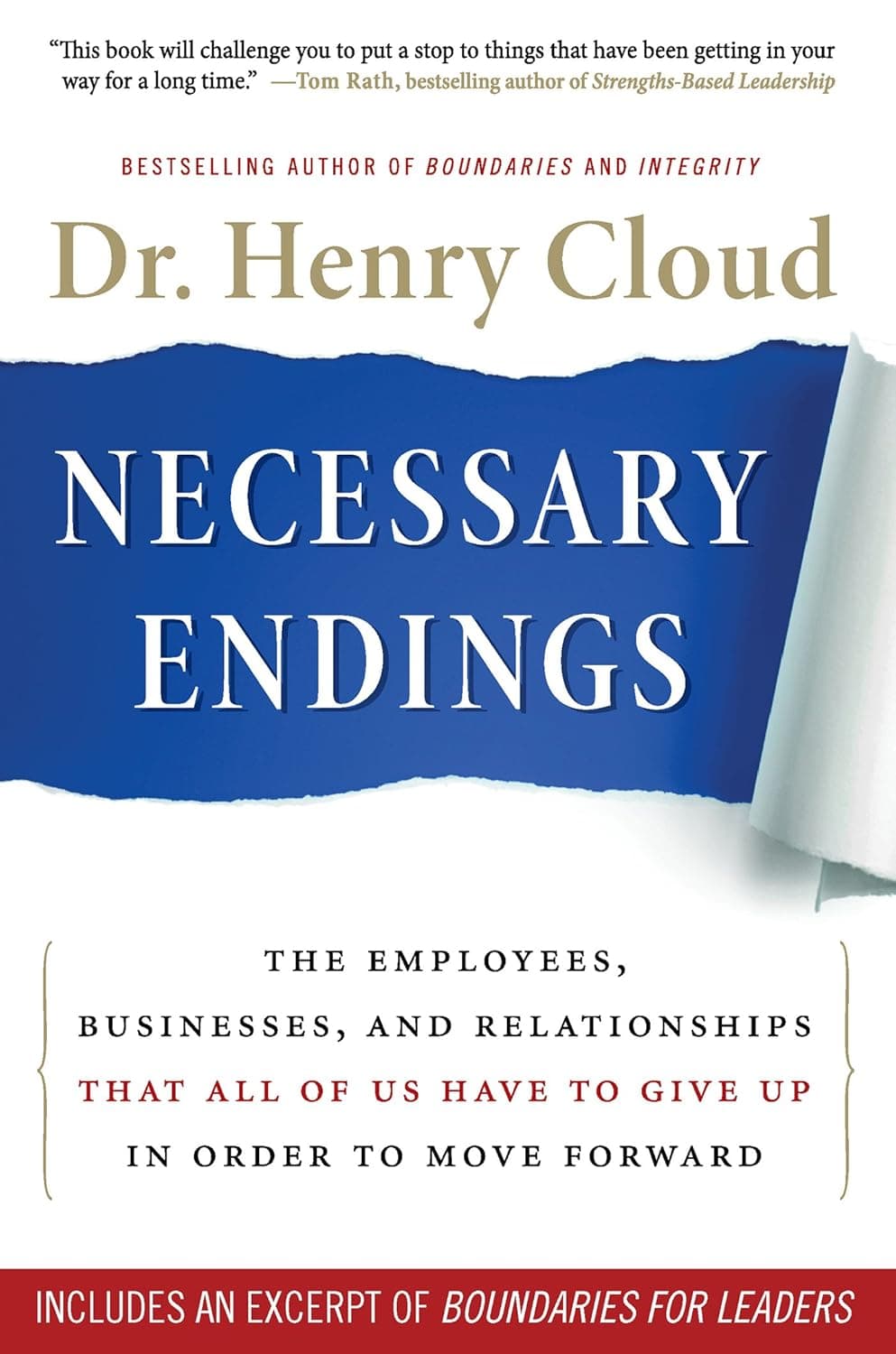
Necessary Endings -Henry Cloud
When love means letting go. A guide for families who have done everything right and still watch someone they love spiral.
View on Amazon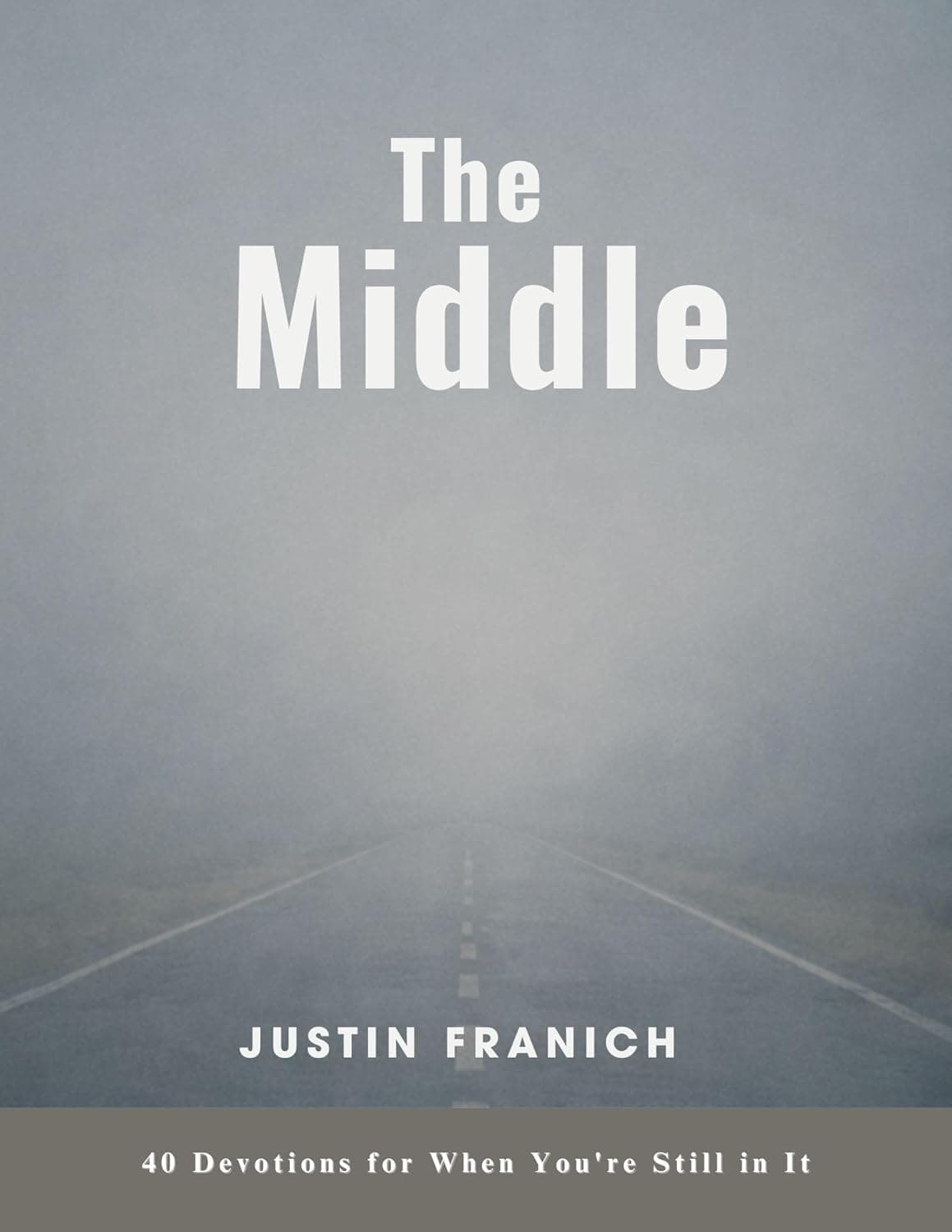
The Middle -Justin Franich
40 devotions for when you're still in it. Written from the middle of real pain, not from the other side looking back.
View on AmazonThese are resources we genuinely recommend. If you purchase through our links, a small commission supports this ministry at no extra cost to you.