
Faith-Based Recovery in Virginia: Options and How SVTC Helps

When your family is in crisis, the last thing you need is a confusing landscape of options with no clear path forward. You need someone who knows the terrain and can point you in the right direction.
Virginia has strong faith-based recovery resources. Adult & Teen Challenge centers, women's programs, men's programs, and various ministry-based options operate across the state. The challenge isn't finding a program. The challenge is finding the right program for your specific situation.
At SVTC, we've spent decades inside this world. We know what's out there because we've worked alongside these ministries, referred families to them, and walked with graduates long after they left. What follows is an honest overview of Virginia's faith-based recovery landscape and how we help families navigate it.
Adult & Teen Challenge in Virginia
Teen Challenge is the largest and oldest faith-based recovery network in the country, with centers in all 50 states and over 200 locations nationwide. Virginia has several centers serving men and women, each operating somewhat independently while following the national model.
Adult & Teen Challenge of Virginia operates programs in multiple locations, including the Fredericksburg area. Their model follows the standard Teen Challenge approach: 9 to 12 month residential programs built around discipleship, work therapy, biblical education, and life skills development. Men's and women's programs operate separately.
Beauty for Ashes Women's Center serves women specifically, offering trauma-informed care within a faith-based framework. Women's recovery often involves unique dynamics, including histories of abuse, children in the picture, and relational patterns that require specialized attention. Centers like Beauty for Ashes address those realities head-on.
Blue Ridge and Roanoke-area programs provide options in the western part of the state. For families in the Shenandoah Valley, these centers may be geographically closer than Fredericksburg or Richmond options.
Each center has its own culture, staff, capacity, and specific focus. What works beautifully for one person may not fit another. A 19-year-old man with a six-month meth addiction needs something different than a 45-year-old woman with a 20-year alcohol dependency and three kids in foster care. The Teen Challenge model is consistent, but the execution varies.
For a deeper look at how Teen Challenge programs operate in Virginia specifically, visit our Teen Challenge Virginia overview. For detailed information on costs and financial expectations, see our Teen Challenge cost breakdown.
Other Faith-Based Options in Virginia
Teen Challenge isn't the only game in town. Virginia has other faith-based recovery ministries worth knowing about.
Celebrate Recovery operates in churches across the state. It's not residential, but for people who don't need or can't access a live-in program, CR provides weekly meetings, step studies, and accountability structures. Many Teen Challenge graduates plug into Celebrate Recovery after completing their residential program.
Rescue missions and gospel missions in cities like Richmond, Roanoke, and Norfolk often have recovery tracks within their homeless services. These programs serve people who need housing alongside recovery support. The spiritual depth varies by location, but many provide genuine discipleship alongside practical help.
Church-based recovery ministries exist in congregations throughout Virginia. Some are formal programs with curriculum and structure. Others are informal support networks built around pastoral care and small groups. The quality varies enormously, but a church that takes addiction seriously can be a lifeline, especially for ongoing support after residential treatment.
Clinical Christian programs blend licensed treatment with faith integration. These tend to be shorter (30 to 90 days) and more expensive, often accepting insurance. They're not the same model as Teen Challenge, which emphasizes long-term discipleship over clinical intervention, but they fill a different need for families who want medical oversight alongside spiritual care.
The landscape can feel overwhelming. Each option has strengths and limitations. The right choice depends on factors specific to your loved one: severity of addiction, co-occurring mental health issues, family situation, financial resources, geographic preferences, and spiritual readiness.
Our Role as a Referral and Support Ministry
Here's what we need you to understand about SVTC: we no longer operate residential programs.
For 16 years, we ran recovery homes in the Shenandoah Valley. We housed men and women working through the Teen Challenge curriculum. We did the 3 a.m. crisis interventions, the graduation ceremonies, the heartbreaking phone calls, and the miraculous restoration stories.
In 2026, we transitioned to a different model. The reasons are longer than this article allows, but the short version is this: we believe we can serve more families more effectively by focusing on what we do best rather than trying to maintain a residential infrastructure.
What we do now:
Referrals. When you call us, we help you figure out which program fits your situation. We know the Teen Challenge centers in Virginia. We know programs in other states. We know which centers specialize in what, which have current availability, and which might be the right culture for your loved one. We're not guessing. We're drawing on decades of relationships and experience.
Family support. The person in addiction isn't the only one who needs help. Families carry trauma, exhaustion, confusion, and guilt. We provide guidance on setting boundaries, understanding the recovery process, and taking care of yourself while your loved one is in a program. We're here for the long haul, not just the placement.
Resources. Our website, podcast, and content library exist to equip families with practical wisdom for the road ahead. We've learned a lot in 20-plus years. We'd rather share it than hoard it.
Connection. Recovery doesn't end at graduation. We help families think through aftercare, church connection, and the ongoing rhythms that sustain long-term freedom. We stay in touch. We answer the phone when things get hard six months down the road.
What we don't do: we don't have beds. We can't admit your loved one tomorrow. We're not a treatment facility.
But here's the thing: because we don't have beds to fill, we have no incentive to push you toward a particular program. When you call us at /get-help, you're getting honest guidance from people who've been in this work for a long time, not a sales pitch.
What to Expect When You Call Us
Families often hesitate to reach out because they don't know what the conversation will be like. Let us remove the mystery.
You'll talk to a real person. Not a call center. Not an intake coordinator reading from a script. You'll talk to someone who has sat where you're sitting, either personally or through years of walking with families in crisis.
We'll listen first. Every situation is different. We need to understand what's happening with your loved one, how long this has been going on, what you've already tried, and what your family can realistically handle. We're not going to interrupt with a pitch. We're going to ask questions and actually hear your answers.
We'll give you honest options. If Teen Challenge is the right fit, we'll tell you which centers to contact and what to expect. If something else makes more sense, we'll tell you that too. If we don't know the answer, we'll say so and help you find someone who does.
We won't pressure you. This is your family. Your decision. Our job is to inform, not manipulate. We've seen too many families bullied into hasty decisions by programs that profit from urgency. That's not us.
We'll pray with you if you want. We're a faith-based ministry. We believe God moves in these situations. If you want prayer, we're honored to pray. If you're not there spiritually, we're not going to force it. We'll meet you where you are.
We'll follow up. After the initial conversation, we don't disappear. If you need more information, more guidance, or just someone to talk to while you process everything, we're available. This isn't a one-and-done transaction.
The call is free. There's no obligation. The worst that happens is you hang up with more information than you had before.
The Path Forward
Addiction makes families feel alone. You're not alone. Thousands of Virginia families have walked this road. Many have found hope on the other side.
The faith-based recovery community in Virginia is real and it's effective. Teen Challenge centers have helped hundreds of men and women find freedom. Churches across the state support ongoing recovery. Ministries like ours exist specifically to help families navigate the chaos.
Your loved one's story isn't over. Neither is yours.
If you're looking for faith-based recovery options in Virginia or nationwide, contact us at /get-help. We'd love to help you find the right path.
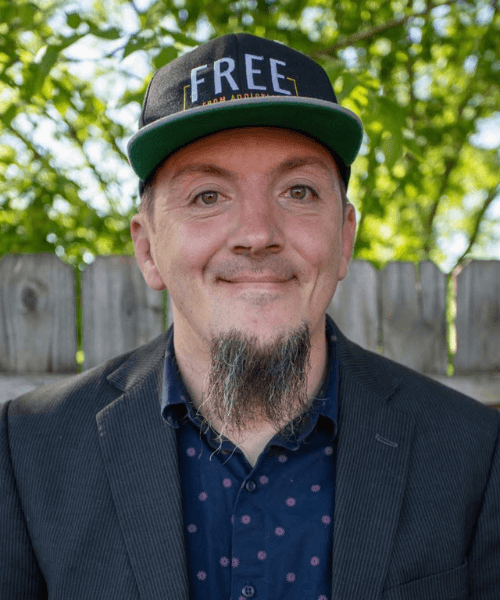
Contributed by Justin Franich, Director, Shenandoah Valley Teen Challenge. With nearly 20 years of personal recovery and over a decade leading faith-based recovery ministry, Justin has walked alongside hundreds of families. Read more at justinfranich.com/about.
Written by
Justin Franich
Former meth addict, Teen Challenge graduate (2005), and recovery ministry leader with nearly two decades helping families navigate addiction through faith-based resources.
Continue Your Journey
Setbacks in Recovery: What to Do When Progress Stalls
Setbacks happen in recovery. A setback doesn't mean failure-it means you're human. Here's what to do when progress stalls, whether you're the one struggling or the one watching someone you love.
Related Articles

Share this article
Need help for your family?
If you or someone you love is struggling with addiction, you don't have to face it alone. Reach out today and take the first step toward hope and restoration.