After Recovery
How to Move Beyond Your Broken Past

It's hard to see the beauty when you're still standing in the ashes.
I know because I stood there. Fifteen years old, veins full of meth, wondering if the person I'd become was the person I'd always be. The wreckage wasn't abstract. It was specific. Relationships I'd torched. Trust I'd shattered. A future that looked like nothing but more of the same.
Maybe you're there now. Sober, but haunted. Clean, but not free. You did the program. You said the prayers. You meant them. And yet every time you close your eyes, your past plays on repeat like a film you can't turn off.
How do you move beyond what you've done when what you've done still lives inside you?
The Weight of Deferred Hope
Scripture names this feeling precisely:
A sick heart. That's what it feels like when you've gotten your hopes up and been let down - by yourself, by others, by circumstances that promised change and delivered more of the same.
When hope gets deferred enough times, something shifts. You stop expecting good things. You brace for impact instead of leaning into possibility. And from that place of heaviness, you make choices that reinforce the very identity you're trying to escape.
This is the cycle that keeps people clean but not free. Sobriety removes the substance, but it doesn't automatically remove the shame. And shame is a brutal landlord. It charges rent every single day.
Broken Pieces Aren't the End
Here's what I've learned after twenty years on the other side: God doesn't waste broken pieces.
I'm not talking about some cheap prosperity gospel where everything works out and pain was just a setup for your platform. I'm talking about something harder and more honest than that.
In our human frailty, broken pieces cause hurt. Real hurt. Consequences that don't disappear just because we've changed. But God, who is rich in mercy, has a strange habit of repurposing wreckage into something useful.
Think about stained glass. Each piece is broken. Jagged. Incomplete on its own. But held together by lead and light, those fragments become something that stops people in their tracks. The brokenness isn't hidden. It's what makes the window beautiful.
That's not a metaphor for ignoring your past. It's a metaphor for letting your past be redeemed rather than erased.
I've never believed God causes bad things to happen to us. But I've watched Him take the worst chapters of people's lives and turn them into the very thing that helps someone else survive. Your mess becomes your message - but only if you let Him hold the pieces instead of trying to glue them back together yourself.
Forgiveness: The Door You Have to Walk Through
When the disciples asked Jesus how many times they should forgive, He said seventy times seven. That's not a math problem. That's a posture. An orientation toward grace that never runs dry.
And here's what matters for you: Jesus practices what He preaches. The same forgiveness He demands you extend to others, He extends to you. Over and over. Without limit.
But here's where people get stuck. They believe God forgives them intellectually. They can quote the verses. They know the theology. And yet they refuse to forgive themselves. They keep serving a sentence that's already been commuted.
Accepting Christ's forgiveness isn't just a prayer you said once. It's a daily decision to stop arguing with the Judge who already declared you not guilty.
Moving Forward Without Forgetting
Moving beyond your broken past doesn't mean pretending it didn't happen. It means refusing to let it define what happens next.
Your past is real. What you did happened. The people you hurt were really hurt. And the grace that covers it is just as real.
The question isn't whether you deserve a second chance. You don't. Neither did I. That's the whole point of grace - it's not about deserving.
The question is whether you'll receive what's being offered: a new identity that isn't built on your worst moments. That's what I call the Robe - the first gift the Father gives when the prodigal comes home. Not a lecture. Not probation. A robe that says you belong here. For the complete framework on moving from recovery to restoration, start here.
Your broken past doesn't disqualify you from a redemptive future. It qualifies you to help someone else believe that change is possible.
That's not cheap hope. That's the real thing.
Hear more on our podcast: He Rebuilt His Life After Addiction

Justin Franich
Justin Franich is a Teen Challenge graduate who overcame a meth addiction and has been clean since 2005. He spent over a decade leading Christ‑centered recovery programs and now serves as Executive Director of Shenandoah Valley Adult Teen Challenge, helping families find the right path forward and supporting people as they rebuild life after addiction.
Read my story →Still rebuilding? You're not alone.
I send weekly encouragement for people walking through the hardest season of starting over.
You can unsubscribe anytime.
Related Articles

Should I Date During Recovery?
No one wants to be alone. But a good thing at the wrong time can become destructive. Dating in recovery comes down to two questions: who and when. Get them both right, and relationships become gift instead of risk.

Six Months Without Smoking… Then I Blew It
Two pulls off a cigarette after six months clean. It wasn't about nicotine-it was about breaking agreement with a master that had ruled my life for years. Confession brought mercy. And I've never smoked since.
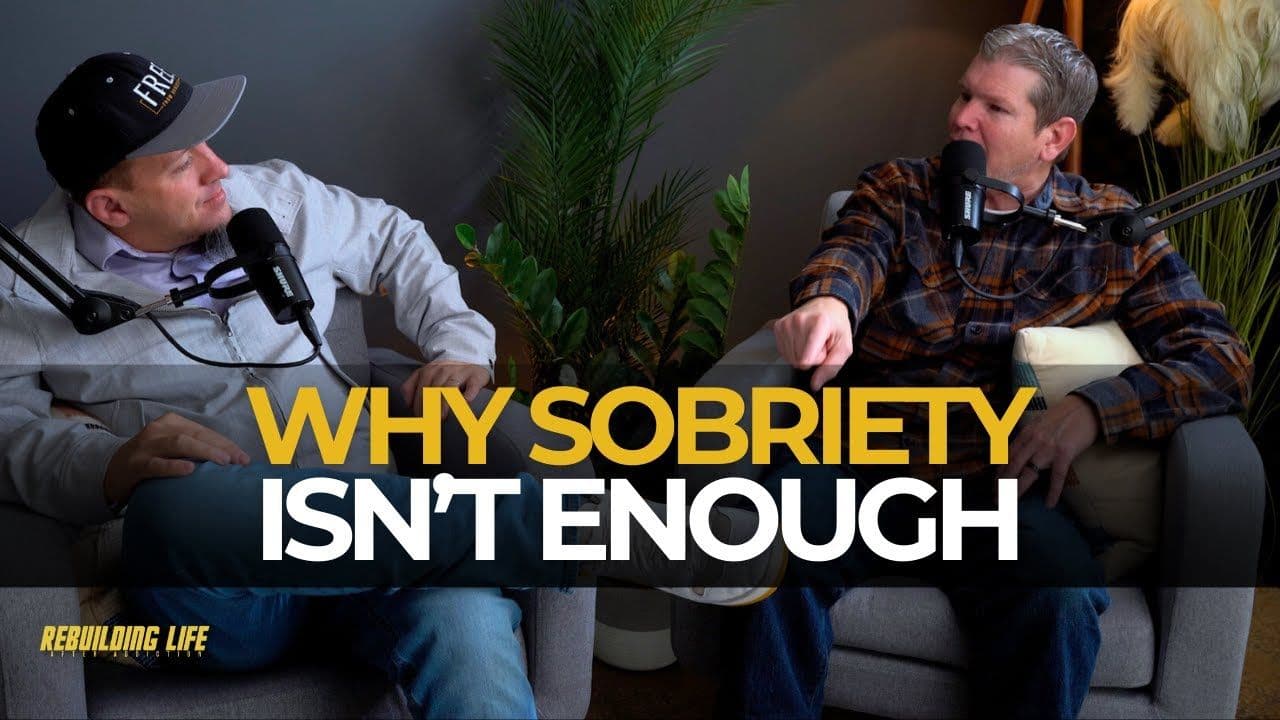
WHEN SOBRIETY ISN'T ENOUGH: THE JOURNEY FROM CLEAN TO FREE
Many people reach sobriety yet remain trapped in shame, performance, and spiritual exhaustion. This article explores the deeper journey from being clean to experiencing true freedom through grace, surrender, and relationship with Christ.
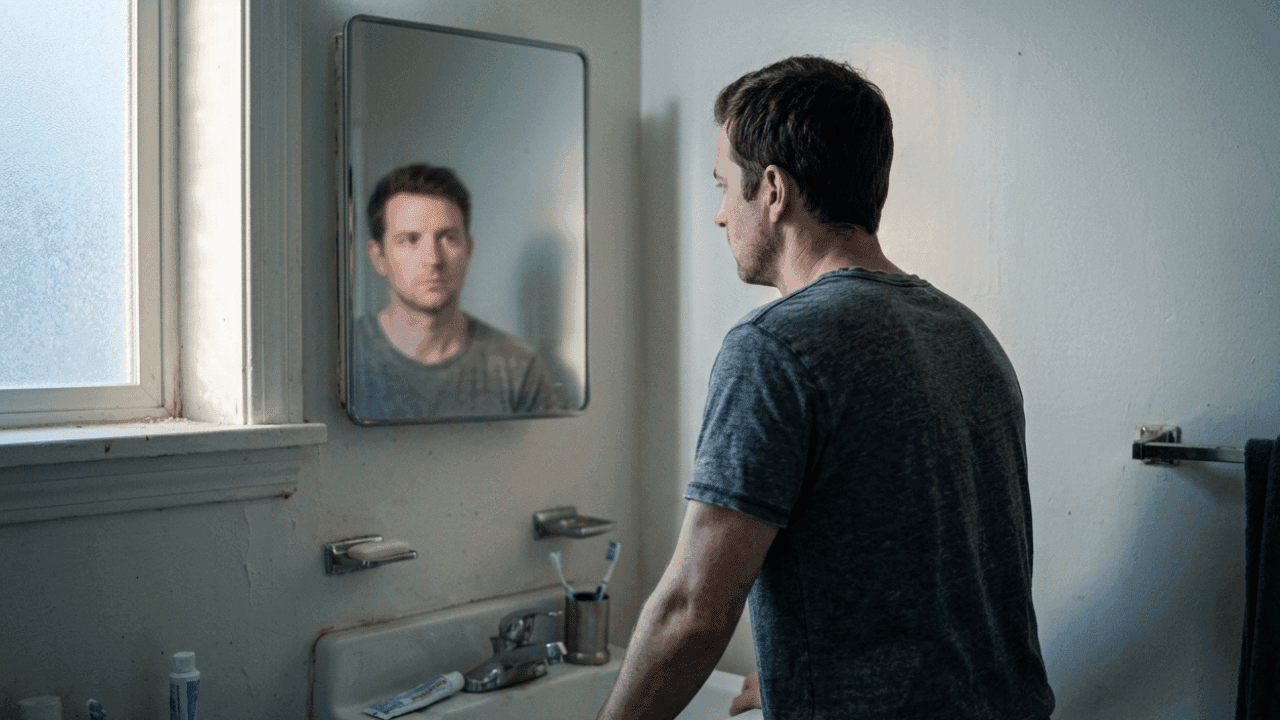
Who Am I Without the Drugs? Finding Identity After Addiction
Sober but lost? The identity crisis after getting clean is real. Learn how to move from "reformed addict" to knowing who you are in Christ.