After Recovery
I Got Clean, But That Wasn't the Hard Part
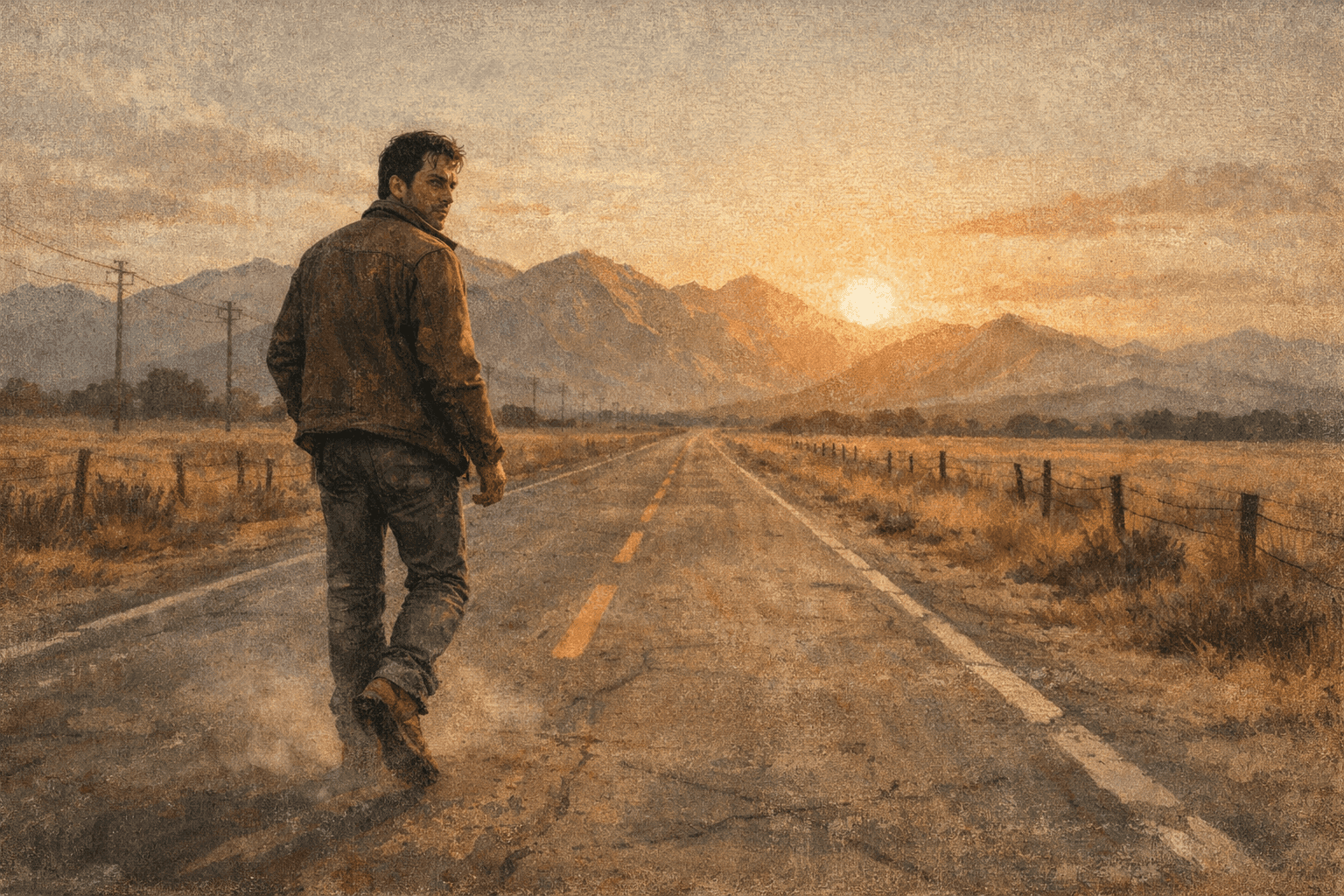
It has been over twenty years since I was trapped in addiction, and one of the things I have tried to stay intentional about through sobriety, ministry, and leadership is never forgetting what it felt like before my life changed.
Not the chaos.
The confusion.
I did not grow up in a broken home. I was not raised without faith. I grew up in a good Christian family, active in church, surrounded by people who loved God and wanted the best for me. From the outside, there was nothing obvious missing.
But somewhere around fourteen or fifteen, I started wrestling with something I did not have language for at the time. Identity. I did not know who I was. I did not know where I fit. And I did not know how to sit with the quiet questions that surface when childhood certainty wears off.
So I did what a lot of teenagers do. I chased belonging. I followed people who seemed confident. I experimented with the party lifestyle. Drinking on weekends. Smoking cigarettes. Pushing boundaries. At first, it felt harmless. Normal, even.
Then someone introduced me to cocaine.
Not long after that, crystal meth.
The first time I used it, something grabbed hold of me instantly. What started as curiosity turned into dependency faster than I could comprehend. By fifteen, I was using needles, something I swore I would never do. I told myself the same lies a lot of addicts tell themselves. I will grow out of this. I will stop when I am older. As long as I do not cross certain lines, I will be fine.
I was not fine.
Over the next few years, my life spiraled quietly but steadily. There were moments that should have landed me in jail. Moments that could have ended very differently. Tension grew in my family. I dropped out of high school and eventually got my GED, trying to piece together some version of forward momentum while coming down.
At seventeen, after stealing from someone's house, I talked my way into joining the military instead of facing charges. Basic training gave me structure. For a while, I stayed sober. I went to chapel again. My family was proud.
But structure did not change my heart.
The moment I came home, I ran into old friends, burned through every dollar I had saved, and went right back to meth. It did not take long for everything to unravel again. By the grace of God, a sergeant processed a quiet discharge instead of letting things escalate. I do not know why it did not become worse, but it easily could have.
After that, my life became a cycle of crashing at my parents' house when I ran out of options and disappearing again. I put myself in situations that should have landed me in prison for a long time. I did not realize what was happening behind the scenes until it was too late.
One night, I showed up at my grandmother's house looking for a couch to sleep on. I did not know I was walking into an intervention. I did not even know what an intervention was.
Family members were there. Conversations were emotional. Direct. Painful. And for the first time, the boundary was real. Get help or get out.
I walked into the backyard with drugs in my pocket and a needle in my shoe, convinced someone would come pick me up. Someone always had before.
No one came.
Standing there alone, something collapsed inside me. Not anger. Not rebellion. Just the weight of realization. My parents wanted nothing to do with me. My grandmother, the one person who had always left the door open, had finally closed it.
I remember thinking, what have I become?
For the first time in years, I felt something. Real sorrow. Real despair. I looked up at the sky and prayed the simplest, most desperate prayer I knew how to pray.
God, if You can do something with this mess, I need help.
I did not hear a voice. I did not see a vision. But I broke down and cried, really cried, for the first time in a long time.
A few days later, my parents and grandmother put me in the back of a van and drove me seven hours to a recovery program in Long Island, New York. I weighed about 110 pounds. I wore long sleeves to hide the needle marks up and down my arms. My body was detoxing. My future felt nonexistent.
When we arrived, I expected paperwork. Rules. Distance.
Instead, a man walked across the parking lot, looked me in the eyes, and said, "Justin, God has a plan for your life."
I had heard those words my entire childhood. But this time, they landed differently. Not because they were eloquent, but because someone believed them while looking at a meth addict who had ruined his life.
Something shifted.
That moment did not magically fix everything. I tried to leave the program more times than I can count. Discipleship was slow. Uncomfortable. Exposing. But what changed first was not my behavior. It was my identity.
When Sobriety Isn't Enough
For the first time, I believed my life was not an accident.
That belief became the foundation for everything that followed. Not just sobriety, but calling. Not just freedom from addiction, but formation into something new.
Getting clean was not the destination. It was the doorway.
Over the years, I have seen how dangerous it is to stop at sobriety. Clean time without identity eventually collapses. Deliverance without discipleship creates confusion. Freedom that is not shaped eventually gets wasted.
This is something I talk more about in my work on life after addiction
Identity Before Freedom
My life today, my family, my ministry, my responsibility, grew out of that one simple truth spoken when I could not see it for myself. God had a plan.
That belief was formed during my time at Teen Challenge, where faith based addiction recovery was not just about stopping destructive behavior, but about rebuilding identity and purpose.
If you are early in recovery, I want you to know something. If you are sober but empty. If you have done the hard work of stopping but do not know how to start living again.
You do not need a more complicated system.
You need a deeper foundation.
And sometimes, all it takes is someone willing to look you in the eye and tell you the truth you cannot yet believe.
Your life is not over.
Your story is not finished.
And God is not done with you.
Hear more on our podcast: You're Clean But Life's Still a Mess
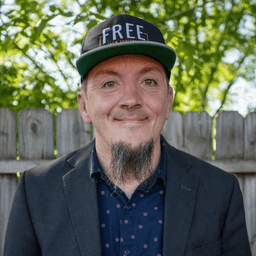
Justin Franich
Justin Franich is a Teen Challenge graduate who overcame a meth addiction and has been clean since 2005. He spent over a decade leading Christ‑centered recovery programs and now serves as Executive Director of Shenandoah Valley Adult Teen Challenge, helping families find the right path forward and supporting people as they rebuild life after addiction.
Read my story →Still rebuilding? You're not alone.
I send weekly encouragement for people walking through the hardest season of starting over.
You can unsubscribe anytime.
Related Articles

How to Let Go of Guilt and Shame After Addiction
Still carrying guilt after getting sober? Learn how to release shame, receive forgiveness, and stop letting your past define your recovery.
Who Am I Without the Drugs? Finding Identity After Addiction
Sober but lost? The identity crisis after getting clean is real. Learn how to move from "reformed addict" to knowing who you are in Christ.
Setbacks in Recovery: What to Do When Progress Stalls
Setbacks happen in recovery. A setback doesn't mean failure-it means you're human. Here's what to do when progress stalls, whether you're the one struggling or the one watching someone you love.
God's Peace vs. World's Peace: Why Sobriety Feels Restless
You did the hard work-got clean, rebuilt trust, started making progress. So why do you still feel anxious and restless? This post breaks down the difference between the world's peace and God's peace, and why only one can actually restore your soul.