
Research & Results
Teen Challenge Success Rate: What the Research Shows
67 to 86% of graduates report being drug-free. Here are the studies, the data, and what actually predicts long-term recovery.
“Therefore, if anyone is in Christ, he is a new creation. The old has passed away; behold, the new has come.”
2 Corinthians 5:17
The Teen Challenge success rate ranges from 67% to 86% of graduates reporting drug-free status, depending on the study and follow-up method. The most rigorous research, a 1975 NIDA-funded study using urinalysis, found 67% of graduates verified drug-free at seven years. Self-reported numbers from later studies run as high as 86%. No single official success rate exists because outcomes vary by center. The clearest predictor of long-term recovery is completing the full 12 to 18 month program and staying connected to church and community afterward.
Quick Answer
The Teen Challenge success rate ranges from 67% to 86% of graduates reporting drug-free status. The 1975 NIDA study verified 67% drug-free by urinalysis at 7-year follow-up. The 1999 Northwestern study found 86% self-reported drug-free. The 2019 ATC USA outcome report showed 78% complete abstinence. Outcomes vary by center and measurement method, but the clearest predictor of lasting change is completing the program and staying connected to church, accountability, and community afterward.
Need a broader overview? Start with what Teen Challenge is and learn what to expect in a long-term discipleship program.
Context Matters
Completion & Aftercare drive outcomes.
The data consistently shows graduates do far better than dropouts. Teen Challenge is a 12-18 month program. People who finish, engage with discipleship, and stay connected after graduation are the ones who see long-term change.
Explore how to choose the right program: Faith-based recovery guidance
Considering Virginia programs? See Virginia options
Curious about cost? Learn about Teen Challenge costs
What the Studies Show
Teen Challenge Sobriety Success Rate: What the Research Found
The original 1975 federal study investigated Teen Challenge's claim of a 70% sobriety rate and found 67% verified drug-free by urinalysis. Teen Challenge has been studied multiple times since then. Here's what each study actually found, how it was conducted, and what the limitations are.
NIDA-Funded Study: Rehrersburg, PA (1975)
The original federal study that put Teen Challenge on the map.
+
NIDA-Funded Study: Rehrersburg, PA (1975)
The original federal study that put Teen Challenge on the map.
Background: In 1973, Teen Challenge's claims of a 70% cure rate attracted attention from the U.S. Federal Government. Most secular programs reported cure rates of 1-15%. The National Institute on Drug Abuse (NIDA) funded a study to evaluate these claims.
The study focused on the Brooklyn, NY Teen Challenge class of 1968 who transferred to Rehrersburg, PA. Researchers followed up seven years later (1975). The study was conducted under Dr. Catherine Hess, M.D., former assistant chief of the Cancer Control Program of the U.S. Public Health Service. The National Opinion Research Center at the University of Chicago developed the survey, conducted interviews, and obtained urine samples.
Key Findings (Graduates, n=64):
- 67% drug-free by urinalysis (verified)
- 86% self-reported drug-free (19-point gap from verified)
- 75% employed
- 72% continued education
- 73% self-supporting
- 67% regularly attending church
- 87.5% needed no additional treatment
- Only 30% arrested in seven years since graduation
Dropout Comparison:
- 79% of early dropouts arrested (vs 30% of graduates)
- 56% of later dropouts arrested
Note: The 79% number sometimes gets misquoted as a success rate. It's actually the arrest rate for dropouts.
Limitations:
- Small sample (64 graduates)
- Single program, single era
- Study is now 50 years old
- Self-report was 19 points higher than urinalysis
Northwestern/Bicknese Study (1999)
The most commonly cited modern study.
+
Northwestern/Bicknese Study (1999)
The most commonly cited modern study.
Background: Aaron Todd Bicknese conducted this doctoral dissertation research at Northwestern University, surveying graduates from East Coast to West Coast over three years.
Key Findings:
- 86% of graduates drug-free (self-reported)
- 90% employed 1-2 years later (vs 41% in other programs)
- 84% attend church weekly
- Nearly all escaped the “revolving door” of repeated treatment
- Researchers credited work training and strict discipline as key features
When asked why they no longer use drugs, graduates consistently said: “Jesus Christ filled a void in their life.”
Limitations:
- Self-reported data (no urinalysis)
- Surveyed graduates only
- Selection bias toward completers
Chattanooga Study (1994)
Independent university research on a single program.
+
Chattanooga Study (1994)
Independent university research on a single program.
Background: Dr. Roger Thompson from University of Tennessee at Chattanooga surveyed alumni from 1979-1991.
Key Findings:
- 67% abstaining from drugs and alcohol
- 76% attend church regularly
- 72% employed
- 76% free of legal involvement
- 88% needed no additional treatment
- 72% had tried other treatment before Teen Challenge
- 80% credited “a personal relationship with Jesus Christ” as the major factor
- 92% said Teen Challenge had great impact on their life
Limitations:
- 50% response rate
- Single program
- Self-reported data
Indianapolis Adolescent Study (1992)
The only study focused on teenagers.
+
Indianapolis Adolescent Study (1992)
The only study focused on teenagers.
Background: Conducted by Shawna Girgis at Teen Challenge Indianapolis (female adolescent program).
Key Findings:
- 70% of graduates abstaining from illegal drugs
- 70% reported improved family relationships
- 65% rated program as helpful or very helpful
- 95% listed rebellion against authority as major issue when entering
Limitations:
- Small sample, single program
- Adolescent females only
- Three-year lookback only
ATC USA National Outcome Study (2019)
The most recent official data.
+
ATC USA National Outcome Study (2019)
The most recent official data.
Background: Adult & Teen Challenge USA surveyed 340 graduates 8-20 months post-graduation.
Key Finding:
- 78% reported complete abstinence post-graduation
This is the cleanest recent number ATC USA uses.
Limitations:
- Self-reported
- 8-20 month window only
- Survey respondents may skew positive
The Bottom Line
The most honest reading of the data.
What we can say with confidence:
- Studies consistently show 67-86% of graduates report being drug-free.
- Verified urinalysis (1975) showed 67%; self-reported numbers run higher.
- Graduates have significantly better outcomes than dropouts.
- Employment, church attendance, and legal outcomes are strong.
- Most graduates credit faith as the primary factor.
- Results compare favorably to secular treatment.
Context that matters:
- Most addiction recovery research—not just TC—relies on self-reported data. That's a field-wide limitation.
- Studies typically survey graduates, not everyone who enrolled. This is standard in long-term program research.
- 200+ centers vary in size and approach, so results differ by location.
- Even with these limitations, the numbers are encouraging and compare favorably to secular treatment outcomes.
- More rigorous independent research would strengthen the evidence for the entire field.
The most defensible numbers:
- 67% drug-free by urinalysis at 7-year follow-up (NIDA, 1975)
- 78% self-reported abstinence 8-20 months post-graduation (ATC USA, 2019)
- 86% self-reported drug-free (Northwestern, 1999)
FREE RESOURCE
5 Questions to Ask Before Choosing a Recovery Program
I put together the questions I'd want my own family to have if they were evaluating programs. Whether it's Teen Challenge or something else, these are the things that actually matter.
I'll also send occasional encouragement and resources. You can unsubscribe anytime.
Does Teen Challenge Actually Work?
Yes, for the right person in the right circumstances.
Teen Challenge program success is highest for people who:
- Are willing to engage with a faith-based approach.
- Complete the full program (12-18 months).
- Embrace discipleship, not just endure it.
- Stay connected to church and accountability after graduation.
- Don't return to old environments and relationships.
Outcomes are harder when people:
- Are forced in against their will.
- Leave early when it gets hard.
- Go through the motions without heart change.
- Graduate and return to the same people and patterns.
- Treat graduation as the finish line.
Want a deeper guide on program fit? Learn how to choose a faith-based recovery program.
What Really Predicts Long-Term Success
What Actually Predicts Teen Challenge Success
Green flags:
- Entered willingly (even if reluctantly).
- Completed the full program.
- Engaged with spiritual content.
- Has a plan for after: housing, work, church, accountability.
- Cut ties with old using relationships.
- Talks about who they're becoming, not just what they're avoiding.
Red flags:
- Forced or manipulated into entering.
- Counting down days until graduation.
- Planning to reconnect with old friends.
- No church or accountability lined up.
- Thinks graduation means “fixed.”
- Family still enabling.
Learn more about enabling and why it matters: what does enabling mean for families?
What Happens After Matters Most
Graduation isn't the finish line.
Graduation isn't the finish line. What happens after the program matters more than what happens during it.
The people who thrive stay connected to church, accountability, and healthy community. They keep doing what worked: prayer, Scripture, honest relationships, service.
The people who struggle go back to the same environment, same friends, same patterns and expect different results.
Teen Challenge builds a foundation. The person has to build on it.
Read what happens after Teen Challenge graduation →Relapse Doesn't Mean Failure
Recovery is a journey, not a single moment.
Relapse is serious. It's dangerous. It can be deadly. But it isn't always the final word.
I've seen people relapse after years of sobriety and come back stronger. I've seen people who “failed” by every clinical measure go on to build families, start ministries, and change communities.
What matters is whether they get back up and whether they have people to help them do it.
Read about setbacks in recovery →Hear From People Who've Been Through It
Statistics tell part of the story. Real people tell the rest.
Edgar's Story
From addiction to transformation through Christ-centered recovery.
Read the story →Justin Hurst's Story
A testimony of long-term change after Teen Challenge.
Read the story →Courtney's Story
Restored relationships and renewed purpose.
Read the story →Rocco's Story
A life rebuilt through discipleship and community.
Read the story →How SVTC Can Help
We don't run a residential program. We help families find the right one.
Teen Challenge operates over 200 centers across the country, and every program is different. They vary in size, structure, focus, and the populations they serve. Finding the right fit matters. We help families sort through the options, ask the right questions, and connect with a program that matches their situation.
There's no cost for our help. Call, tell us what's going on, and we'll walk through it with you. Learn more about Shenandoah Valley Teen Challenge.
Call or Text 540-213-0571
This page came out of real ministry, not internet theory. We take the calls, help families think clearly, and point people toward Christ-centered programs that can actually walk with them. If that matters to you, help us keep doing it for the next family.
FAQ
Frequently asked questions
What is the success rate of Teen Challenge?
+
What is the success rate of Teen Challenge?
Studies show 67-86% of graduates report being drug-free, depending on the study and measurement method. The 1975 NIDA study using urinalysis found 67% verified drug-free. Self-reported numbers tend to run higher. These measure graduates who responded to surveys, not everyone who enrolled.
Does Teen Challenge actually work?
+
Does Teen Challenge actually work?
For people who complete the program, engage with discipleship, and stay connected to church and accountability afterward, yes. For people who leave early or return to old environments, outcomes are much harder. No program works for everyone.
Is Teen Challenge better than rehab?
+
Is Teen Challenge better than rehab?
Teen Challenge is a 12 to 18 month faith-based discipleship program. It's built for long-term identity transformation through Bible study, mentorship, work therapy, and structured community. The length is the point. That's what makes the outcomes different.
Why is Teen Challenge 12-18 months?
+
Why is Teen Challenge 12-18 months?
Because real transformation takes time. Addiction isn't just chemical. It's spiritual, relational, and identity-level. Addressing all of that requires more than 30 days.
What makes someone successful after Teen Challenge?
+
What makes someone successful after Teen Challenge?
Staying connected to church, accountability, and healthy community. Continuing spiritual practices. Having a plan for housing, employment, and relationships. Not going back to old environments.
What if someone relapses after Teen Challenge?
+
What if someone relapses after Teen Challenge?
Relapse is serious but not always final. What matters is whether they get back up and stay connected to support. Recovery continues after graduation.
Are there more studies on Teen Challenge?
+
Are there more studies on Teen Challenge?
Yes, but they're limited in scope. The main studies are the 1975 NIDA study, the 1999 Northwestern dissertation, the 1994 Chattanooga study, and the 2019 ATC USA outcome report. More rigorous independent research would be valuable.
What percentage complete Teen Challenge?
+
What percentage complete Teen Challenge?
Completion rates vary by center. Not everyone who enters finishes 12-18 months. Those who complete have significantly better outcomes than those who leave early.
Is Teen Challenge a guaranteed cure?
+
Is Teen Challenge a guaranteed cure?
No. No program is. Teen Challenge provides a foundation for transformation, but the person has to build on it.
Why do graduates credit faith as the key factor?
+
Why do graduates credit faith as the key factor?
Across multiple studies, graduates consistently point to their relationship with Jesus Christ as the primary reason they're no longer using. Teen Challenge addresses addiction at every level. Not just the behavior, but the identity, the relationships, the spiritual life, and the purpose underneath it all.
Ready to Start Your Family's Recovery Journey?
Connect with a caring team ready to listen, guide, and pray with you.
Call or Text 540-213-0571
Read the complete Teen Challenge Guide →
Keep Reading
What Is Teen Challenge?
The complete overview of how the program works, who it serves, and what to expect.
Read the guide →Teen Challenge vs Rehab
What makes Teen Challenge different and who it’s built for.
Read the guide →Teen Challenge Cost
What families actually pay and why the model is different from traditional rehab.
Read the guide →
Justin Franich
Justin Franich is a Teen Challenge graduate who overcame a meth addiction and has been clean since 2005. He spent over a decade leading Christ‑centered recovery programs and now serves as Executive Director of Shenandoah Valley Adult Teen Challenge, helping families find the right path forward and supporting people as they rebuild life after addiction.
Read my story →Resources
Helpful Resources

The Cross and the Switchblade -David Wilkerson
The book that started it all. The story of how Teen Challenge was born on the streets of New York.
View on Amazon
Run Baby Run -Nicky Cruz
The most famous transformation story to come out of Teen Challenge. A New York gang leader's journey from violence to faith.
View on Amazon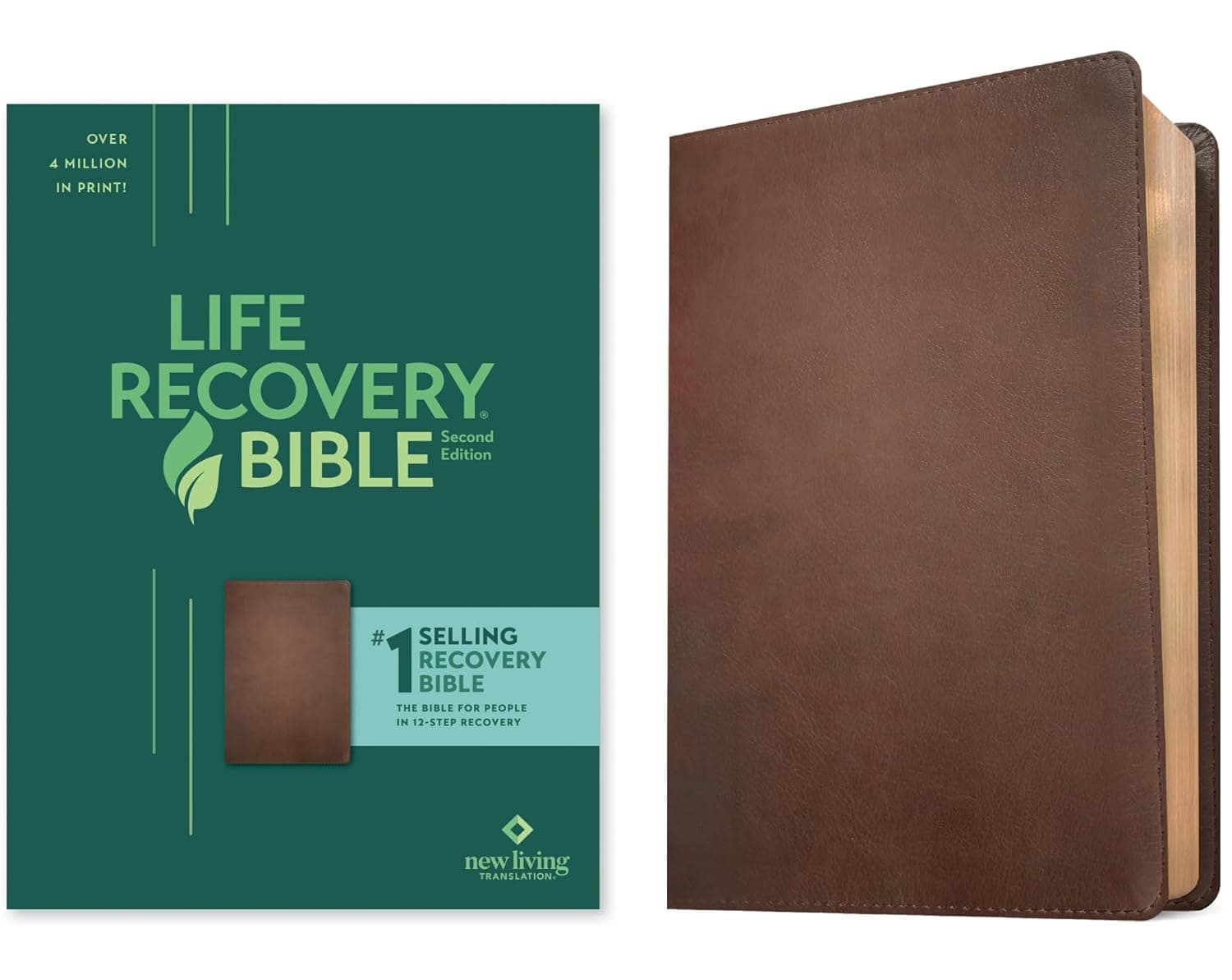
The Recovery Bible
A Bible built for the journey, with notes and devotions specifically for people walking through addiction and restoration.
View on Amazon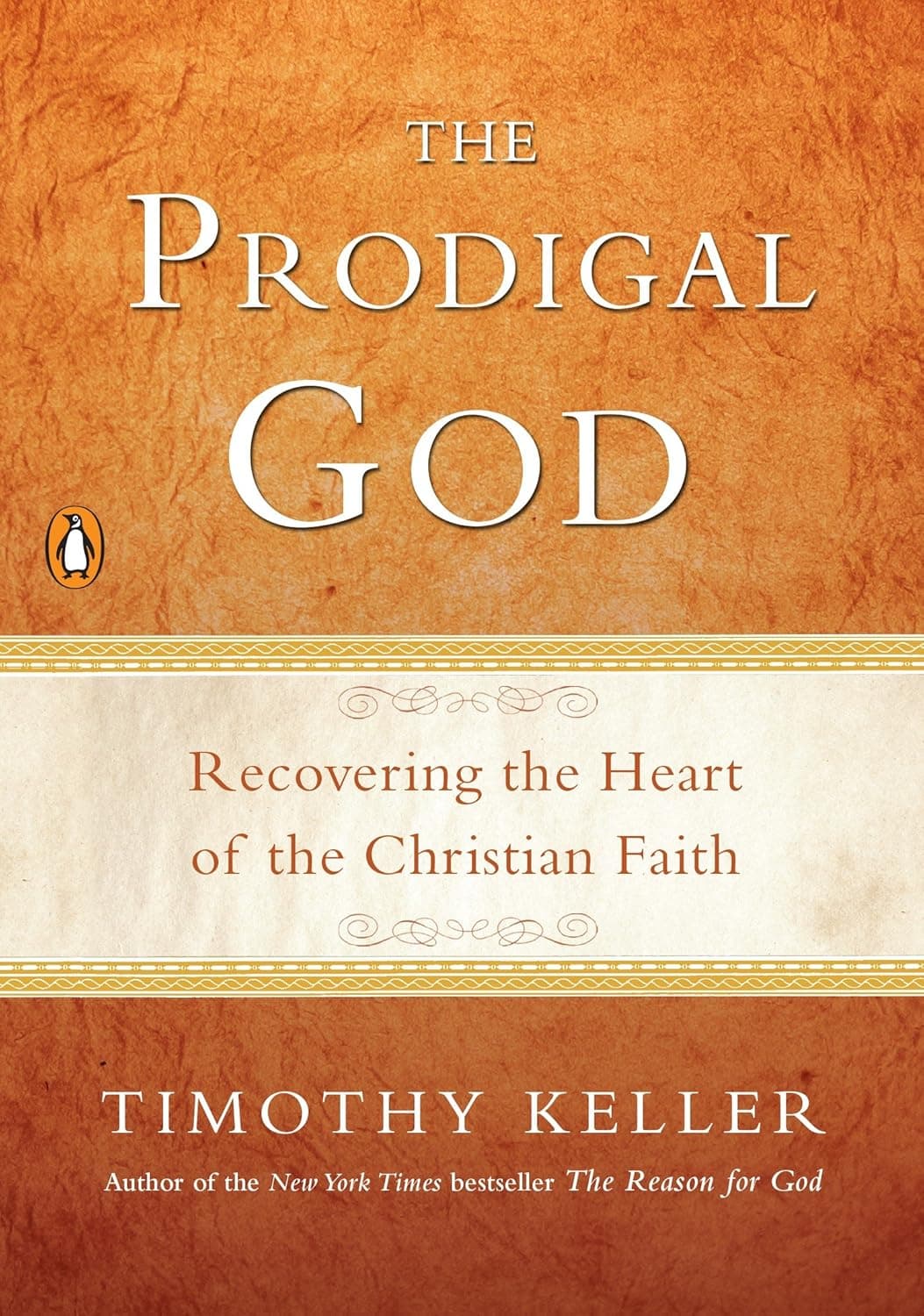
Prodigal God -Timothy Keller
The best book ever written on the parable of the prodigal son. Keller unpacks both sons -and why the "good" one might be further from home.
View on Amazon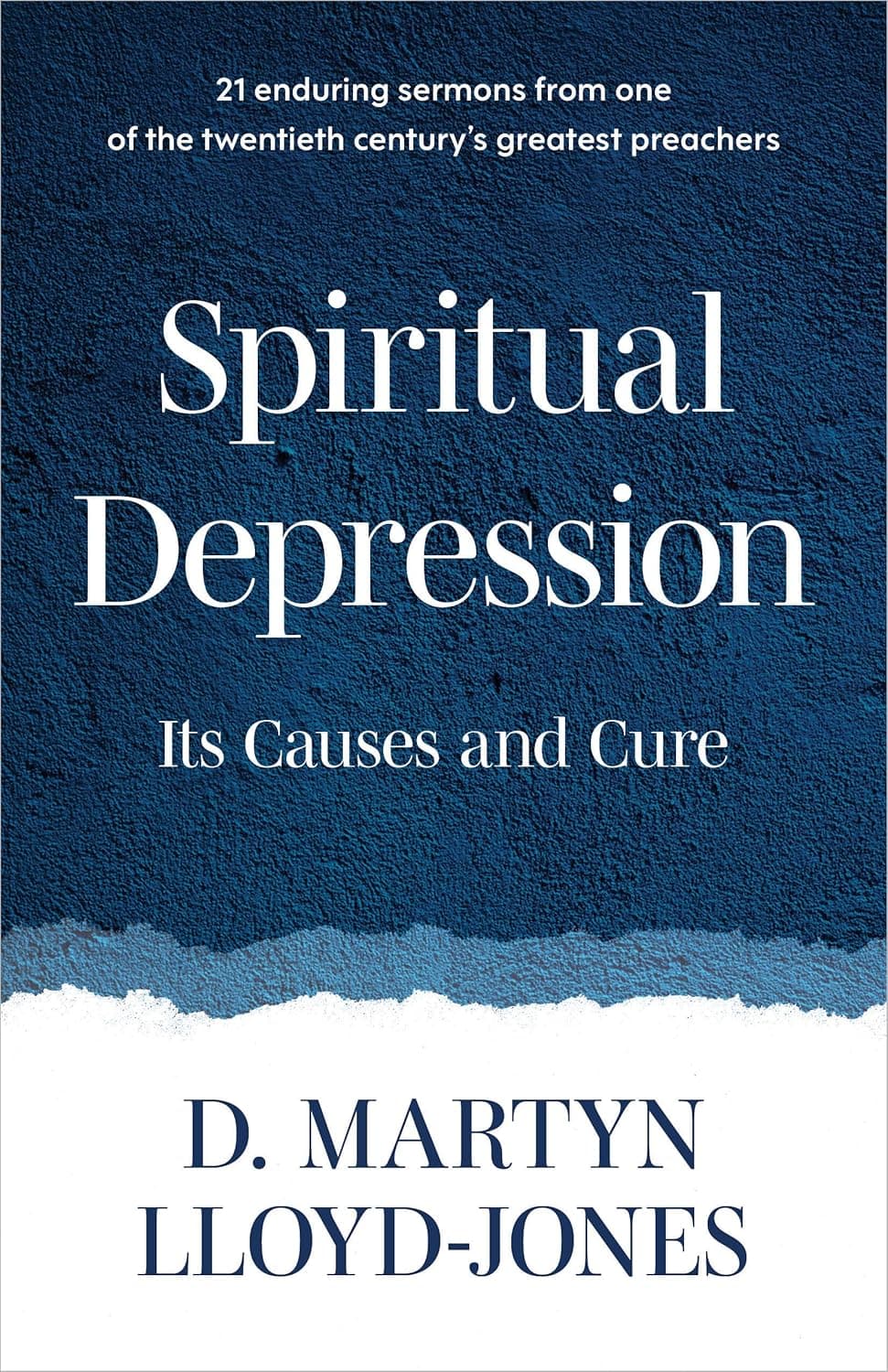
Spiritual Depression -Martyn Lloyd-Jones
The classic book on faith and depression. Lloyd-Jones addresses the root causes of spiritual darkness with honesty and biblical depth.
View on Amazon
When the Darkness Will Not Lift -John Piper
Short, honest, and pastoral. Piper writes for the person who is doing everything right and still can't find the light.
View on Amazon
Boundaries -Cloud & Townsend
The definitive Christian guide to healthy relationships. Essential reading for any family navigating someone else's addiction.
View on Amazon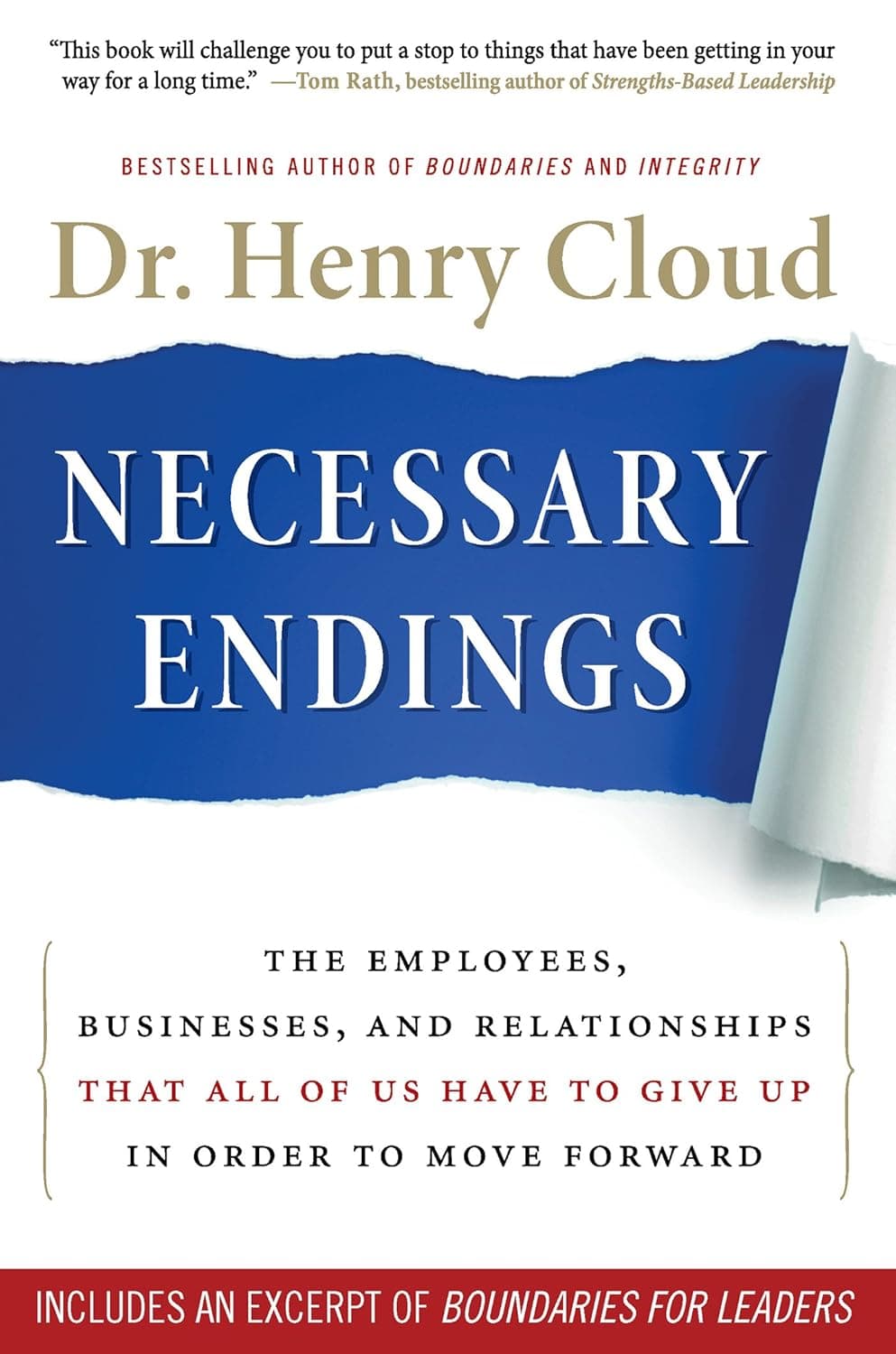
Necessary Endings -Henry Cloud
When love means letting go. A guide for families who have done everything right and still watch someone they love spiral.
View on Amazon
The Middle -Justin Franich
40 devotions for when you're still in it. Written from the middle of real pain, not from the other side looking back.
View on AmazonThese are resources we genuinely recommend. If you purchase through our links, a small commission supports this ministry at no extra cost to you.