Addiction & Recovery
Who Founded Teen Challenge?

Most people know the name David Wilkerson. They've read The Cross and the Switchblade or at least heard the story. A young preacher from rural Pennsylvania feels called to New York City. He walks into a courtroom, gets thrown out, and ends up on the streets of Brooklyn reaching gang members for Jesus. It's one of those origin stories that sounds made up until you realize it launched what is now over 200 centers across the country.
But there's a part of the founding story that doesn't get told nearly enough. And it starts with a phone call.
I sat down with Don Wilkerson for the podcast, and he told me something I think most people miss. "It doesn't matter how the call comes to you," he said. "It matters how you answer it." Don was finishing ministry school when David called and asked him to come to Brooklyn. No burning bush. No dramatic courtroom moment. Just a brother saying I need help with what God started here. And Don went.
He showed up and stayed for the next 60 years.
Don took over daily operations in 1971, served as Executive Director for 16 years, and developed the residential discipleship program and biblical curriculum that became the standard for every Teen Challenge center in the world. He founded Global Teen Challenge in 1995 and spent 13 years helping plant centers in over 100 countries. He co-founded Times Square Church with David in 1987. He's written more books than I can list. And he's still sharp, still passionate, and still the same guy who told me that the goal of Teen Challenge was never just to get people clean.
"It's one thing to be clean," Don told me. "It's another thing to be pure."
That line landed on me because I've lived it. Getting clean was the easier part. Finding out who I actually was without the drugs, without the old identity, without the life I'd built around addiction, that was the real work. And that's what Don built the Teen Challenge program to do. Not a detox program. A discipleship program. The difference matters more than most people realize.
Here's what Don told me about those early days. They started by reaching gang members. That was the whole thing. Street ministry, rallies, conversations in alleys. Then heroin hit, and within a few years those same gang members were drug addicts. The gangs basically dissolved because the drugs took over. There was nowhere for these guys to go. Don said there was one hospital in America at the time, a federal facility in Kentucky, where you could get detoxed. That was it.
So Teen Challenge became the place. Not because someone drew up a business plan. Because there was nobody else.
That's how most of the best ministries start. Not with a strategy. With a need that nobody else is meeting.
What strikes me about the way Don describes those years is how clearly he connects the dots from Brooklyn to right now. He told me he never imagined addiction would go mainstream. In the early 60s, the people coming into TC were from the inner city, often minorities, often tied to gang culture. By the late 60s and 70s, the drug problem spread to middle-class America. Today, Don said it's college students, working professionals, church people, every walk of life. The program that started for gang members in Brooklyn now serves families in small towns across every state.
I think about that a lot because I'm one of those people. I didn't come from the streets of Brooklyn. I came from the Shenandoah Valley. And when I walked into Teen Challenge, the same curriculum Don helped build decades earlier was the thing that taught me how to study the Bible, how to pray, how to rebuild a life that I had burned to the ground. The program I went through existed because a guy answered his brother's phone call and spent the next six decades doing the unglamorous work of figuring out how to actually help people get free.
There's a lesson in that for anyone evaluating faith-based recovery programs right now. The origin story gets all the attention. But the thing that actually produces results is the daily, unsexy, curriculum-and-accountability work that happens inside the walls. Don Wilkerson spent his life building that from the inside. And it shows.
If your family is looking into Teen Challenge and wondering what it costs, what the success rate looks like, or what happens after graduation, those are good questions. Ask them. But the thing worth knowing is that the program your loved one would be entering was shaped by someone who spent his entire adult life inside the building, not theorizing about it from the outside.
Don is now President Emeritus of Brooklyn Teen Challenge. He's still doing the work. And he's still saying the same thing he told me on the podcast: it was never about getting people clean. It was about Jesus making people new.
If your family is dealing with addiction and you don't know where to start, we can help you find the right program.
Hear more on our podcast: Don Wilkerson: The Co-Founder of Teen Challenge on Transformation, Relapse, and What Recovery Really Means.
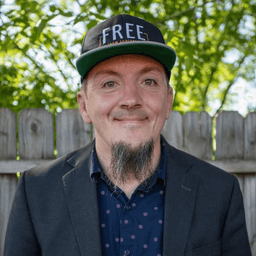
Justin Franich
Justin Franich is a Teen Challenge graduate who overcame a meth addiction and has been clean since 2005. He spent over a decade leading Christ‑centered recovery programs and now serves as Executive Director of Shenandoah Valley Adult Teen Challenge, helping families find the right path forward and supporting people as they rebuild life after addiction.
Read my story →If this helped, there's more where it came from.
I send weekly encouragement. Scripture, reflection, and honest conversations about faith and recovery.
You can unsubscribe anytime.
Related Articles

How to Break Free from Porn Addiction: A Faith-Based Battle Plan
Pornography rewires your brain and willpower won't fix it. A Christ-centered battle plan for freedom through fasting, Scripture memorization, and radical obedience. From a man who was trapped from age 7 to 19 and has been free for decades.

A Conversation with Eddie Jame Minsistries
A raw and honest conversation with the team from Eddie James Ministries about calling, obedience, addiction, trauma, and the real cost of following God. This episode explores why sobriety is only the beginning, how accountability and submission lead to lasting freedom, and how God redeems brokenness into purpose.

Marriage in Recovery Ministry: Ashley Franich’s Story
Can a marriage thrive when one spouse comes from addiction and the other doesn't? Ashley Franich shares 15 years of saying "yes" to God-from marrying someone fresh out of Teen Challenge to leading women through recovery to foster care and beyond
Your Ministry Doesn't Have to Be the Answer. It Just Has to Know Where the Answer Is.
Not every person who walks through your door belongs in your program. The most Christ-like thing a recovery ministry can do is connect families to the help that actually fits.