Faith & Life
Why Forgiveness Without Confrontation Isn't Love
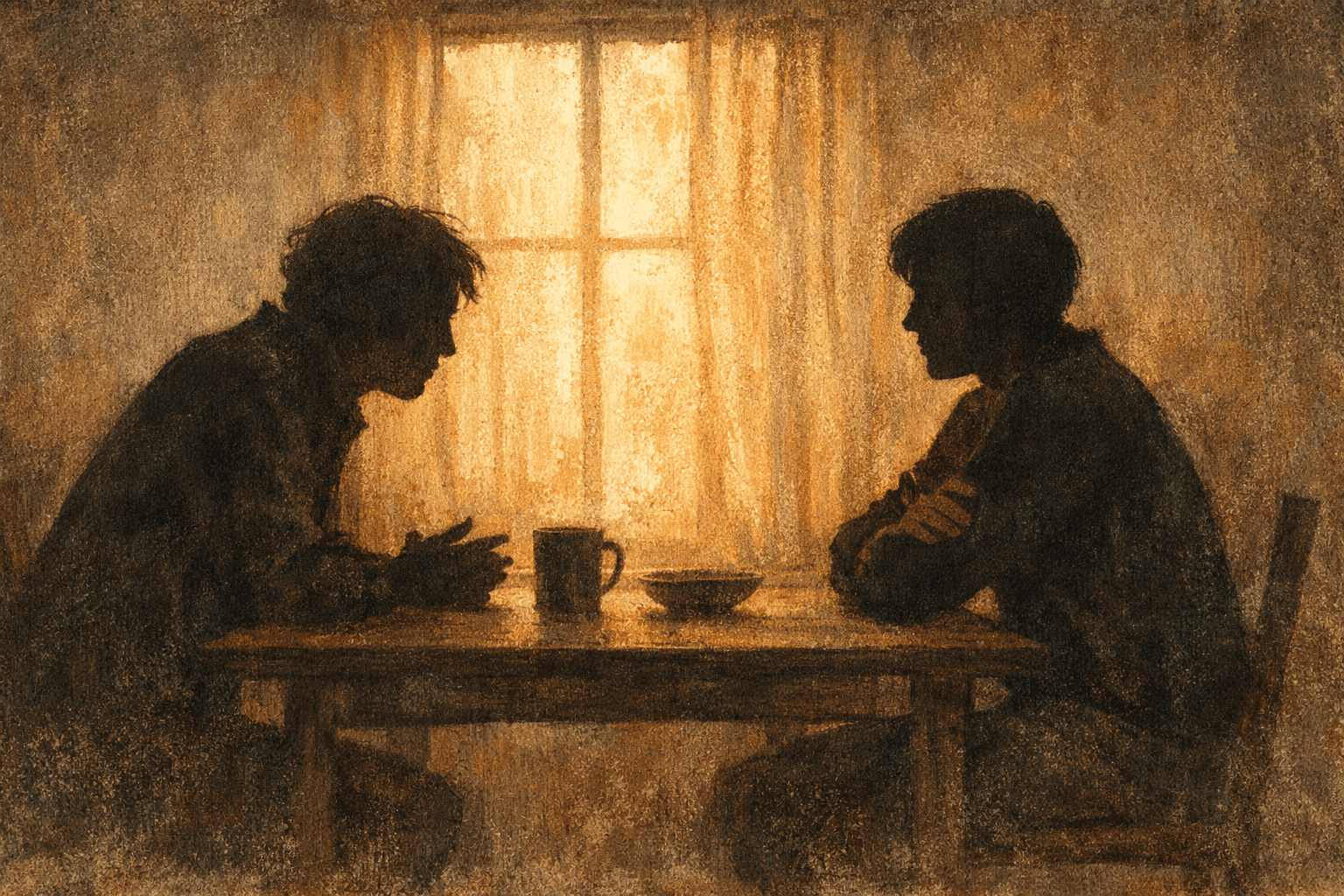
You wrote the letter. Burned it in the backyard like the counselor suggested. Said the words out loud to an empty chair. Felt something release.
So why do you still flinch when their name comes up?
Here's what nobody told you about forgiveness: the internal work is only half of it. And if you stopped there, you might have released yourself from bitterness while leaving your brother locked in his sin.
That's not love. That's self-preservation dressed up in spiritual language.
The Altar Problem
Jesus didn't mince words in Matthew 5:23-24:
"Therefore if you bring your gift to the altar and there remember that your brother has something against you, leave your gift there before the altar and go your way. First be reconciled to your brother, and then come and offer your gift."
Read that again. He's not saying "deal with it internally." He's not saying "let it go and move on." He's saying leave your worship, go find your brother, and reconcile. Then come back.
The offering isn't just your tithe check. It's your praise. Your service. Your ministry. Everything you bring before God.
And Jesus says if there's unresolved conflict with your brother, God's not interested in receiving it yet.
That should shake us.
Why We Avoid the Conversation
I know myself well enough to admit this: I've gotten really good at suppressing the things I don't want to address.
There's resistance when I'm asked to face the elephant in the room. It's easier to look busy. To appear put together. To show up at church with a smile and a pressed shirt while skeletons rattle in the closet.
The reason we avoid confrontation isn't complicated. We're afraid. Afraid the conversation will blow up. Afraid we'll say it wrong. Afraid of what happens if we can't keep our composure.
So we skip the hard part and call it spiritual maturity.
But here's the truth: if I recognize sin in my brother, if they've wronged me and I see the pattern, and I'm unwilling to do the uncomfortable thing because of my own pride, I'm choosing to let them sit in their sin.
That's not forgiveness. That's abandonment with better branding.
The Picture of Love We Keep Avoiding
When I think about what love actually looks like, my mind keeps going back to the cross.
Love is painful. Love is discomfort. Love is carrying your cross up the mountain while people mock you. We want love to be acceptance and warm feelings. But Jesus demonstrated that love sometimes looks like bleeding for someone who doesn't deserve it.
Our culture has twisted this. "Love everyone" has become "accept everything." But that's not what Scripture teaches. Confronting someone with truth is one of the most loving things you can do, precisely because it's so uncomfortable.
You can't get to reconciliation without being willing to communicate hard things. Loving from a distance while avoiding the issue isn't love at all. It's self-protection.
The Wounds We Won't Name
I dealt with this recently. My wife's uncle hurt me pretty bad years ago when we moved to California. And I told myself I'd forgiven him. Moved on. Let it go.
Then I was doing a leadership exercise where I had to map out significant moments in my life. When I got to him, I started weeping. In front of the whole room. Couldn't stop the tears.
That's when I realized I hadn't truly forgiven him. I was still holding something. The wound was still open, just buried under activity and time.
I ended up having the conversation. And what surprised me was this: releasing him was beneficial for me, but it also clarified something. I didn't have to tolerate him anymore. Forgiveness doesn't mean pretending the harm didn't happen or inviting the same patterns back into your life.
Forgiveness means you're free. Free to set boundaries. Free to limit access. Free to protect yourself while genuinely wishing them well.
But that freedom only came after the confrontation, not instead of it.
When They Won't Receive It
Here's the other side of this: reconciliation requires two people.
You can only do your half. If you go to your brother and they refuse to engage, if they reject the conversation or escalate the conflict, you've done what Scripture asks. Dust your feet off. Move on. Your conscience is clear before God.
But you don't get to skip the attempt because you've predicted their response. You're not a prophet. You don't know what the Holy Spirit might do in that conversation.
Sometimes the person you're most afraid to confront is the one most desperate to hear it.
The Real Question
Paul says we've been given the ministry of reconciliation. That's not just reconciling people to God. It's learning to reconcile with each other because we've first received reconciliation ourselves.
So the question becomes: have you really received it?
If you've been forgiven by God but can't extend it to others, something's blocked. If you can mouth the words "I forgive you" but refuse to have the actual conversation, you're holding onto something you don't want to admit.
The grievances we carry often reveal deficiencies in us, not just wrongs done to us. What offends us most in others is frequently the thing we're wrestling with ourselves. That uncle who hurt me? Part of my reaction was about my own pride, my own need to be right, my own unwillingness to be seen as weak.
The confrontation forced me to face that.
What It Actually Costs
Here's what nobody tells you: the path to freedom runs through the conversation you're avoiding.
Not around it. Not over it. Through it.
It will cost you something. Your pride, probably. Your comfortable distance, definitely. Maybe even the relationship, if they refuse to receive what you're offering.
But the alternative costs more. Living with a divided heart. Offering worship God won't receive. Watching your brother stay stuck in sin because you were too afraid to speak.
That's not love. And deep down, you know it.
For the bigger picture on rebuilding your life after addiction, read the complete Rebuilding Life After Addiction Guide.
Related Reading:
- How to Overcome Offenses - When bitterness has taken root
- Biblical Steps to Restore Broken Relationships - The practical path forward
- God's Peace vs. the World's Peace - Why internal freedom requires external obedience
Hear more on our podcast: When Forgiveness Hurts but Healing Depends on It

Justin Franich
Justin Franich is a Teen Challenge graduate who overcame a meth addiction and has been clean since 2005. He spent over a decade leading Christ‑centered recovery programs and now serves as Executive Director of Shenandoah Valley Adult Teen Challenge, helping families find the right path forward and supporting people as they rebuild life after addiction.
Read my story →If this helped, there's more where it came from.
I send weekly encouragement. Scripture, reflection, and honest conversations about faith and recovery.
You can unsubscribe anytime.
Related Articles

Grace For The Older Brother In Recovery
A reflection on the older brother in Luke 15 and how faithfulness, resentment, and grace often collide in recovery families.

Why Avoiding Conflict Isn't Keeping the Peace
Silence isn't peace. It's permission. Learn why confronting sin in your brother is the most loving thing you can do.

To Testify or Not to Testify?
Should you wait until the struggle is over to share your story? Like a drowning person being thrown a lifejacket, sometimes testimony isn't the reward for victory-it's part of how victory comes.

Forgiveness Doesn't Mean Tolerance: What Christians Miss
You can forgive someone and still set boundaries. Understanding the difference between releasing bitterness and inviting harm back in.