Faith & Life
Why the Church Should Be the Safest Place to Struggle
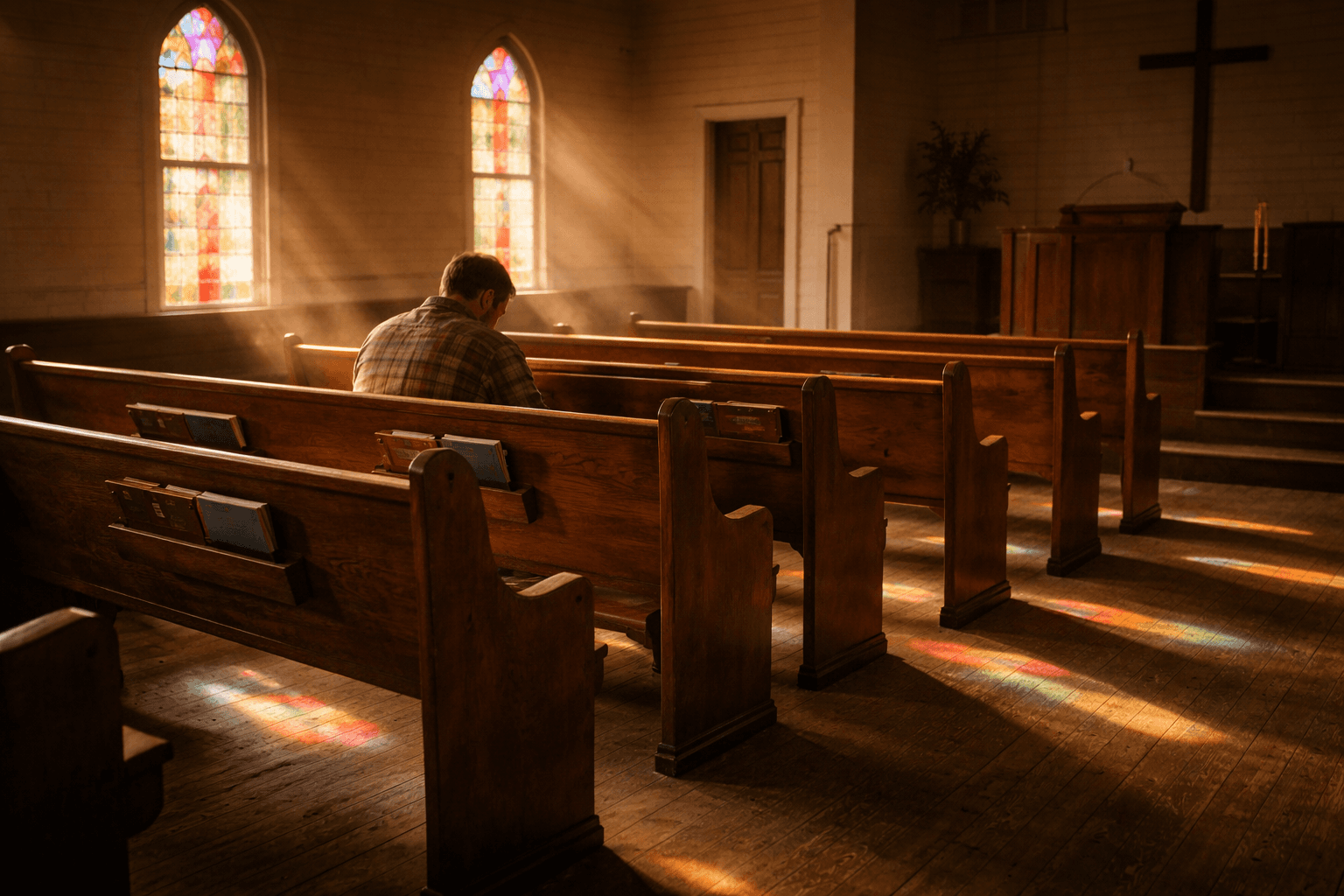
I've been in church my whole life. Grew up in it. Rebelled against it. Came back to it. Now I lead in it.
And one of the things I still wrestle with is this: the church should be the safest place in the world to struggle. It should be. But often, it's not.
We preach grace on Sundays and practice judgment on Mondays. We talk about restoration and then shoot our wounded. We quote Galatians about bearing one another's burdens and then whisper about each other in the parking lot.
Something's broken. And until we name it, we can't fix it.
The Gap Between Theology and Reality
Here's what we say we believe: all have sinned and fall short. No one is righteous, not even one. We're saved by grace through faith, not by works.
Here's what we often practice: perform well and you're in. Slip up and you're out. Or worse, slip up and we'll keep you around but never let you forget it.
I've seen it over and over again, this gap between what we preach and how we actually treat people who are struggling. Leaders who made mistakes getting dragged through the mud by the same people who used to call them anointed. Addicts who finally get honest about their struggles only to become the subject of the prayer chain, which is really just sanctified gossip.
Robert Grant said something to me that stuck: "The church should be the safest place in the world to struggle. People shouldn't gasp when you confess. People shouldn't run and tell."
He's right. But why doesn't it work that way?
The Prayer Circle Problem
Let me name something we don't talk about enough.
Someone shares something with you in confidence. A real struggle. A genuine confession. And then you get into a prayer circle, and suddenly you're "lifting up" that person by name, describing their situation in detail, spiritualizing your gossip with bowed heads and closed eyes.
That's not intercession. That's exposure with extra steps.
And people know the difference. They've been burned by it. That's why they stop sharing. That's why they perform. That's why they answer "I'm blessed" when they're actually falling apart.
We've created environments where honesty is punished, and we wonder why nobody's honest.
Why Leaders Stay Silent
This hits leaders especially hard.
When you step into any kind of visible role in the church, you learn quickly that vulnerability can be weaponized. You share a struggle, and someone files it away for later. You admit a weakness, and suddenly it's being used to question your fitness for leadership.
Robert named this tension: "You struggle being open with people because you don't know who's going to use it against you and twist the words."
So leaders learn to perform. They preach on authenticity while curating their image. They call others to confession while keeping their own struggles locked away. Not because they're hypocrites, but because they've learned that the church isn't always safe for them either.
This is why pastoral burnout is epidemic. This is why ministry leaders often have no one to talk to. The very community that should hold them is often the community they trust least.
What Galatians Actually Says
Paul wrote to the Galatians about what to do when someone is caught in sin. His instruction? "Restore that person gently."
Not expose them. Not shame them. Not use their failure as a cautionary tale. Restore them. Gently.
The word for restore there is the same word used for setting a broken bone or mending a torn net. It implies care. Skill. Patience. The goal isn't punishment. The goal is wholeness.
When someone in your community relapses or fails or confesses something hard, the first question shouldn't be "how do we protect the church's reputation?" It should be "how do we help this person get back on their feet?"
That's the Jesus way. That's the Galatians 6 way. And it's the way we've largely abandoned.
Finding the Remnant
Here's the hope in all of this: there are pockets of the church that get it right.
Robert put it this way at the end of our conversation: "There are Christians out there that aren't mainstream, that are authentic, that keep true to their word and really do love you."
They exist. They're not usually the loudest voices or the biggest platforms. They're the ones doing the quiet work of actually loving people. Sitting with them in the mess. Not flinching when the confession gets heavy.
These are the kinds of communities where real rebuilding happens. Not because they have perfect theology or killer worship bands, but because they've created space for people to be human.
If you haven't found that kind of community yet, keep looking. They're out there. And if you have influence in your church, maybe you're the one meant to start building it.
The Invitation
The church was never meant to be a museum for saints. It was meant to be a hospital for sinners.
Somewhere along the way, we forgot that everyone in the building is still in process. Still struggling. Still needing grace.
What would it look like if we actually lived that out? If confession was met with compassion instead of judgment? If restoration was the goal instead of reputation management?
It would look like the church Jesus intended.
And it would change everything.
This article is based on a conversation from the Rebuilding Life After Addiction podcast. Listen to the full episode here.

Justin Franich
Justin Franich is a Teen Challenge graduate who overcame a meth addiction and has been clean since 2005. He spent over a decade leading Christ‑centered recovery programs and now serves as Executive Director of Shenandoah Valley Adult Teen Challenge, helping families find the right path forward and supporting people as they rebuild life after addiction.
Read my story →If this helped, there's more where it came from.
I send weekly encouragement. Scripture, reflection, and honest conversations about faith and recovery.
You can unsubscribe anytime.
Related Articles

To Testify or Not to Testify?
Should you wait until the struggle is over to share your story? Like a drowning person being thrown a lifejacket, sometimes testimony isn't the reward for victory-it's part of how victory comes.

When the Confrontation Goes South
You finally said something. And it exploded. Anger, blame, withdrawal-different reactions, same purpose: control. When intervention blows up, you need boundaries. And boundaries require clarity about what's yours to carry.

Social Media Discipleship Is Making Us Shallow
We have more Christian content at our fingertips than any generation in history. And it might be making us spiritually weaker, not stronger.

What Does the Bible Say About Addiction?
What does the Bible say about addiction? Explore key bible verses about addiction, biblical perspective on bondage and idolatry, and the promise of freedom through Christ for recovering addicts.