Getting Help
Life After Rehab: What Happens When Treatment Ends

Most families think graduation from a rehab program is the happy ending.
Their loved one walks across a stage, gets a certificate, and everyone cries tears of relief. The hard part is over, right?
Wrong.
Graduation is the starting gun, not the finish line.
I've been on both sides of this reality. I graduated Teen Challenge in 2005 after a year-long residential program. Twenty years later, I've walked alongside hundreds of people navigating the gap between "clean" and "free," between sobriety and restoration.
And here's what I've learned: The first 90 days after treatment are harder than the last 90 days in treatment.
Why? Because rehab gives you structure, accountability, and a controlled environment. Life after rehab gives you freedom, triggers, and the wreckage of your past waiting for you at the door.
This isn't a generic recovery article. It's what I wish someone had told me the day I walked out of Teen Challenge with $50 in my pocket, a garbage bag of clothes, and no idea how to navigate "normal" life without using.
If you just finished treatment, or you're supporting someone who did, this is for you.
The Short Version If You Just Got Out
Let me give you the short version first.
Rehab is designed to break the cycle and give you tools. But 30 to 90 days isn't long enough to rebuild an identity, restore trust, or rewire your brain. Most people relapse not because treatment failed, but because they went back to the same environment with new tools and expected different results.
What actually helps:
- Longer-term structure (6 to 12 months minimum)
- Community that holds you accountable
- Work that gives you purpose and rhythm
- Time to prove consistency, not just profess change
- A plan for the first 90 days that doesn't rely on motivation
If short-term treatment hasn't worked, or you're already feeling the pull back toward old patterns, you're not broken. You might just need more time under structure before you're ready for full freedom.
The Target on Your Back
I was talking with Ben Fuller about this recently, and he said something that hit hard:
"At the altar, you feel ready to conquer the world. But the minute you step outside the church, it's like a target gets painted on your back, and the world is ready to conquer you."
That's the gap nobody talks about.
In the moment of surrender, you feel unstoppable. But in the days and weeks after, when the emotion fades and the grind sets in, that's when the warfare begins.
Old friends text. Old places call your name. Old patterns whisper that you can "just have one" or "handle it this time."
And here's the kicker: you don't have the structure anymore.
In treatment, someone woke you up. Someone held you accountable. Someone made sure you showed up to groups, chapel, and work assignments. You had a schedule, boundaries, and consequences.
Now? You're responsible for building all of that yourself.
And most people, especially people who've spent years avoiding responsibility, aren't ready for that level of self-governance in week one.
The Loneliness Nobody Prepares You For
One of the most brutal realities of life after rehab is the culture shock of losing your old world without fully belonging to a new one.
Your old friends think you're "brainwashed" or "too good for them now." Church people are kind, but you feel like an alien. They don't know your story, and you don't know theirs yet.
You're caught between two worlds, fully belonging to neither.
I remember sitting in my mom's living room those first few months, feeling profoundly lonely even though I was surrounded by people who loved me. I had changed, but they were still interacting with the ghost of who I used to be.
That loneliness? It's a setup for isolation. And isolation is the breeding ground for relapse.
Even 20 years clean, I still battle the desire to disappear during stressful seasons. The difference now is that I've built systems to fight it. People who check on me. Routines that keep me grounded. And enough self-awareness to know when I'm slipping into isolation mode.
But it's work. Every single time.
The Emotional Whiplash of Early Recovery
In the first few weeks after treatment, most people experience what I call emotional whiplash.
Week 1-2: You're riding the "pink cloud." Euphoria, motivation, gratitude. You feel unstoppable.
Week 3-6: Reality hits. The grind sets in. Old routines resurface. The excitement fades, and you're left with the daily work of staying clean.
Week 7-12: This is the critical relapse window. Motivation is gone. The novelty wore off. And now it's just you, your choices, and the consequences you've been avoiding.
This is where most people fold.
Not because they don't want freedom. But because they weren't prepared for how boring and hard freedom actually is.
The Three-Job Hustle
Let me tell you what my friend Rob's first year of freedom looked like, because his story is the story of most people who actually stay clean long-term.
He worked 80 to 90 hours a week across three jobs: mowing grass, waiting tables at a restaurant, and helping out at a farm market.
Why? Because he had debt. He had restitution. He had a destroyed credit score and a resume with a giant gap where "prison" and "rehab" lived.
Nobody was handing him a six-figure job with a signing bonus. He had to dig his way out of the hole one paycheck at a time.
And here's what nobody tells you: that grind is part of the healing.
Because for years, addiction taught us to avoid responsibility. We lied, manipulated, and took shortcuts. Work teaches us something recovery meetings can't: consistency, humility, and delayed gratification.
The world doesn't care about your altar experience. It cares whether you show up on time, do what you said you'd do, and can be trusted with small things before you're given big things.
Rebuilding Your Financial Life From Zero
When I walked out of Teen Challenge, my bank account was at zero. My credit score? Let's just say it was effectively a two.
I'm not exaggerating.
It took me six or seven years of consistent effort, paying bills on time, handling small amounts of money responsibly, slowly rebuilding trust with creditors, before I could even think about qualifying for a loan or getting my financial life squared away.
And that was after I entered full-time ministry.
So if you're standing at the starting line looking at the pile of debt, destroyed credit, and financial wreckage in front of you, I want you to know: it's fixable. But it takes years, not months.
You eat the elephant one bite at a time.
Eating Crow to Open Doors
Even now, 20 years clean, running a ministry, building a business, I still have to be willing to eat crow to open doors.
Recently, I've been reaching out to people with platforms, offering to work for free, just to get my foot in the door and prove I can add value.
Why? Because humility and hustle are what separate people who talk about change from people who actually rebuild their lives.
If you're too proud to start at the bottom, you won't make it. Period.
This isn't punishment. It's the path. And the sooner you embrace it, the faster you'll move through it.
The Crockpot, Not the Microwave
We live in a microwave generation. We expect instant results.
But real transformation happens in a crockpot. It's slow. It's messy. And it requires long-term commitment to personal responsibility that most addicts have never developed.
If you're expecting life after rehab to feel like a victory lap, you're going to be disappointed.
It feels like a construction site. You're rebuilding from the ground up, reputation, relationships, finances, identity, and it takes years, not months.
That's not discouraging. That's honest.
And if you're willing to do the work, one shift at a time, one conversation at a time, one day of consistency at a time, you will look back five years from now and barely recognize the person you were when you walked out of treatment.
Earning Trust Back (Because Nobody Owes It to You)
When I came home from Teen Challenge after a year-long program, I was on fire for God. I felt like a new creation. I wanted to go to church every time the doors were open.
On my second day home, I asked my mom for the car keys so I could drive to a service.
She hesitated.
She didn't say no. But she paused. And in that pause, I could see the doubt. The fear. The memory of the old version of me, the one who stole from her, lied to her, manipulated her.
That version was the last person she saw face-to-face before I went to treatment.
So even though I knew I was different, she didn't know that yet. And I had to earn it back.
It took four to five months of consistent behavior, showing up when I said I would, being where I said I'd be, handling responsibility without excuses, before she felt comfortable handing me the keys without hesitation.
An altar call might be instantaneous. But restoring a reputation takes time.
Here's a hard truth: your family has every right to be hesitant.
They've heard the promises before. They've watched you relapse before. They've been burned by hope before.
So when you come home expecting them to just "believe" you've changed, you're asking them to ignore their lived experience and trust your words over your track record.
That's not reasonable.
The work is simple but not easy: show them the new creation through daily actions, not just words.
Show up on time. Do what you say you'll do. Don't make excuses. Don't gaslight them when they express doubt. Let your life do the talking.
Trust isn't given. It's earned. One day at a time.
One Decision That Changed Everything
Within three weeks of coming home from Teen Challenge, my grandmother passed away.
I was grieving. I was vulnerable. And that same night, an ex-girlfriend reached out.
In the old life, I would've gone straight to her. It would've been the easiest thing in the world to fall back into that familiar pattern.
But a friend invited me to a Christian worship concert instead.
I had a choice to make: go back to what was comfortable, or step into something new.
I chose the concert.
And that night, at that worship event, I met the woman I'm now married to.
One decision. One new system. One willingness to choose differently.
That's the power of environment. You can't expect new results in old systems.
If your home, your job, and your friend group are the same as they were when you were using, relapse risk is astronomical.
You have to be willing to build new rhythms, new friendships, and new environments, even when it feels lonely and uncomfortable at first.
Building New Routines Before Chaos Hits
In treatment, you follow a manual. You wake up when the bell rings. You go to chapel because it's required. You clean your bunk because someone checks.
That structure is necessary for people who aren't strong enough to hold themselves together yet.
But the long-term work, the work that sustains freedom for decades, is learning to shift from legalistic rules to an authentic relationship with Christ.
You can't live on someone else's faith forever. Eventually, you have to own it.
That means establishing new systems that aren't imposed by a program, but chosen by you:
- Morning routines of prayer and Scripture before chaos hits
- New friendships that ground you, not trigger you
- Boundaries you set because you value your freedom, not because a rulebook says so
This is harder than following a manual. But it's also what separates people who stay clean for a year from people who stay free for a lifetime.
The Ongoing Battle With Isolation
Even now, 20 years clean, I still fight the desire to isolate when I'm going through difficult seasons.
When stress hits, when ministry gets hard, when I'm overwhelmed, my default setting is to disappear. Shut down. Pull away from people who care about me.
The difference now is that I've built systems to fight it.
I have people who check on me. I have routines that keep me grounded. And I have enough self-awareness to recognize when I'm slipping into isolation mode, and I force myself to reach out instead of retreating.
But it's work. Every single time.
Recovery isn't a one-time event. It's a daily choice to stay connected, stay accountable, and stay honest, even when it feels easier to disappear.
Accountability in the Small Things
Just recently, I overreacted to something small.
My wife and daughters left some boxes in my garage studio, and instead of just moving them, I got snippy. Short. Impatient. I made a bigger deal out of it than it deserved.
Old me would've justified it, blamed them, or just let it slide without addressing it.
But the work of recovery, 20 years in, was waking up the next morning and offering an authentic apology.
I told them: "I overreacted. That wasn't fair. I'm sorry."
That's the difference. Not perfection. But accountability.
The willingness to own your mistakes, make it right, and keep growing, even two decades later.
Why Long-Term Programs Work
Here's the reality: 30 to 90 days is enough time to detox and learn some tools. It's not enough time to rebuild an identity.
Long-term residential programs work because:
Time allows for real transformation. Your brain needs time to rewire. Identity change happens in months, not weeks. Research from SAMHSA consistently shows that longer treatment duration correlates with better outcomes.
Structure prevents relapse during the vulnerable period. You're not navigating triggers alone in month two when motivation fades.
Community creates new identity. You're surrounded by people pursuing the same goal, not people pulling you back.
Work therapy builds responsibility. You learn to show up, follow through, and take ownership.
Faith-based models address the "why." Clinical models often treat symptoms. Discipleship models address worship, identity, and purpose.
If you've completed short-term treatment and relapsed, you're not a failure. You might just need more time under structure before you're ready for full freedom.
Programs like Adult & Teen Challenge provide 6 to 12-month residential support designed for lasting transformation, not quick fixes.
Teaching My Daughter to Drive: A Full-Circle Moment
A few months ago, I was teaching my 16-year-old daughter to drive.
As we pulled out of the driveway, it hit me: at her age, I was shooting drugs.
At 16, my parents didn't even want to teach me to drive because they couldn't trust me. I was deep in addiction, making destructive choices, and spiraling fast.
But here I was, 20 years later, sitting in the passenger seat, watching my daughter responsibly navigate the road, thriving in ways I couldn't even imagine at her age.
It was a full-circle moment.
God's redemption isn't just about me getting clean. It's about reconciliation, restoring what addiction tried to destroy.
My kids don't have to live in the chaos I grew up in. They get to see what a life rebuilt by grace looks like.
And that's the hope I want you to hold onto: restoration is possible.
Not just sobriety. Not just survival. But a rebuilt life where the wreckage of the past becomes the foundation for something beautiful.
Life After Rehab Doesn't Have to Be a Relapse Waiting to Happen
Rehab is the beginning, not the end.
If short-term treatment hasn't worked, there are other options. If you feel the pull back toward old patterns, you're not broken. You might just need more time.
Freedom is possible. Restoration is the goal.
But it takes time, structure, community, and a willingness to do the grit work of rebuilding one day at a time.
All of this fits into what I call the Robe, Ring, and Sandals framework, the three gifts the father gave the prodigal son when he returned home. The robe of identity. The ring of authority. The sandals of mission. If you want to understand the theological foundation behind moving from recovery to restoration, read the complete guide.
Questions You're Probably Asking
What's the biggest mistake people make after rehab? Going back to the same environment expecting different results. If your home, job, and friend group are the same, relapse risk is high.
How long does it take to rebuild trust? Years, not months. Trust is earned through consistency, not promises. My mom didn't hand me the car keys for four to five months, and that was just the beginning.
Is relapse inevitable? No. But it's common when people don't have a plan for the first 90 days and rely on motivation instead of structure.
What if I've relapsed multiple times? You're not a failure. You might need a longer-term program that addresses identity, not just behavior.
How do I deal with loneliness after treatment? Proactively build new community. Don't wait to "feel like it." Join a church, find a small group, and force yourself to stay connected even when isolation feels easier.
What about the financial wreckage? It's fixable, but it takes time. My credit score was a two when I got out. It took six or seven years to rebuild it. You eat the elephant one bite at a time.
Hear more on our podcast: He Rebuilt His Life After Addiction
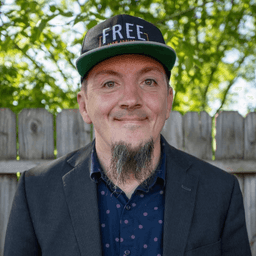
Justin Franich
Justin Franich is a Teen Challenge graduate who overcame a meth addiction and has been clean since 2005. He spent over a decade leading Christ‑centered recovery programs and now serves as Executive Director of Shenandoah Valley Adult Teen Challenge, helping families find the right path forward and supporting people as they rebuild life after addiction.
Read my story →Ready to take the next step?
We help families find the right program. Free. Confidential. No pressure.
Talk to Us →Or call: 540-213-0571
This page came out of real ministry, not internet theory. We take the calls, help families think clearly, and point people toward Christ-centered programs that can actually walk with them. If that matters to you, help us keep doing it for the next family.
Related Articles

Questions to Ask Before Enrolling in a Teen Challenge Program
Choosing a Teen Challenge program is a big decision. Use this practical checklist of 30 essential questions-covering program length, faith integration, family involvement, costs, and aftercare-to help families make an informed choice.
How to Start a Recovery Ministry at Your Church
Ready to launch a recovery ministry? This honest guide covers three models, how to pitch your church board, what it costs, and a 90-day launch roadmap.
Faith-Based Recovery Programs: What Families Need to Know
Faith-based recovery programs approach addiction differently than secular options. Learn what makes them unique, what to expect, and how to find the right program for your loved one.

Adult Teen Challenge vs Prison: Why Faith-Based Recovery Works
Prison punishes addiction. It doesn't heal it. With a 60-70% recidivism rate, incarceration fails to address the spiritual brokenness at the root of substance abuse. Adult & Teen Challenge offers a different path-one that transforms lives through faith, community, and long-term support.