
Moving Forward in Ministry After Loss
Moving Forward in Ministry After Loss Without Forgetting Where You've Been
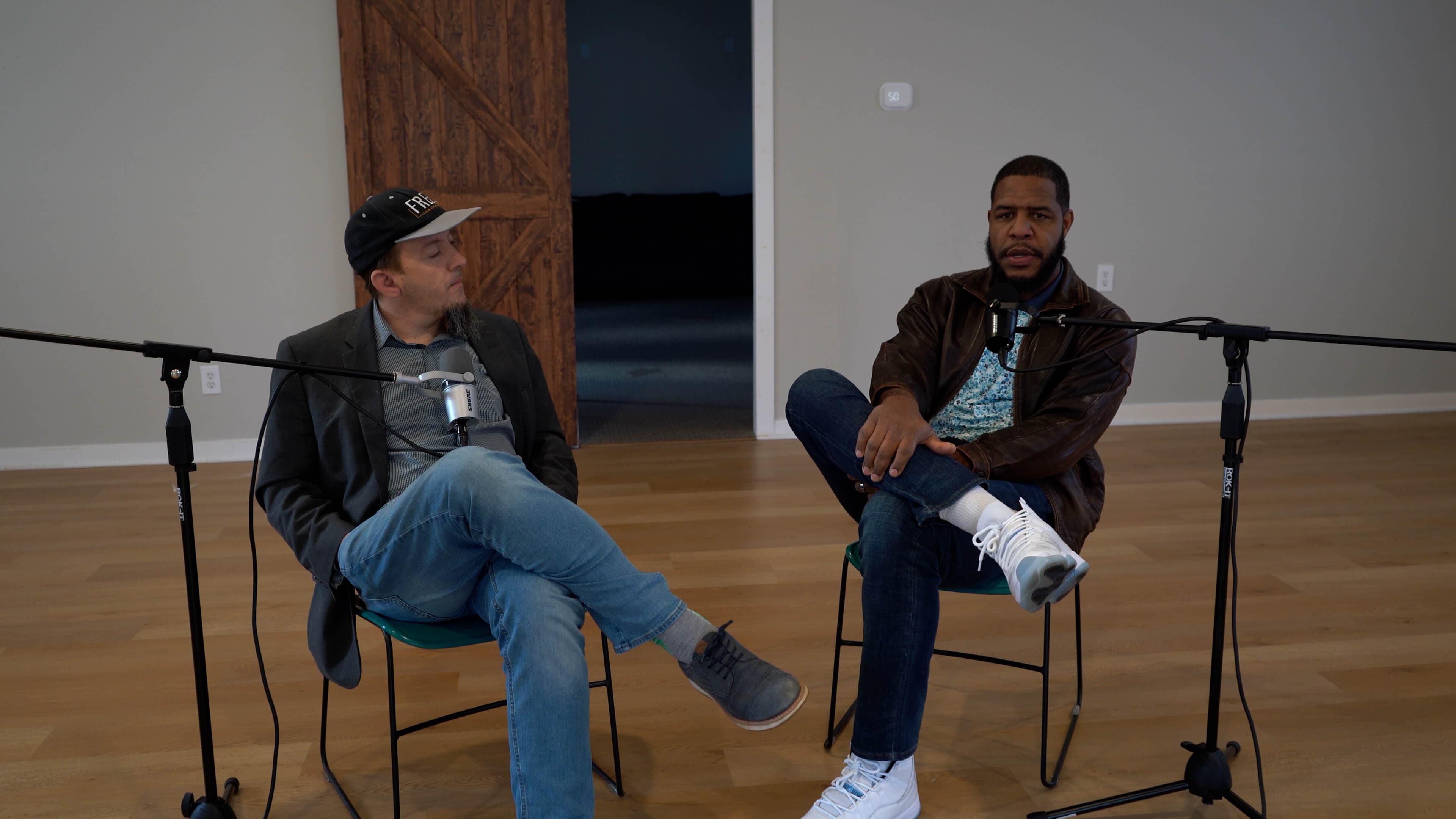
I've been standing in empty rooms a lot lately.
Rooms that used to hold 20 guys singing worship off-key on a Tuesday night. Rooms where I watched men break down and surrender two decades of running. Rooms where we celebrated graduations, mourned relapses, and did the unglamorous daily work of recovery ministry for the better part of 15 years.
Now the chairs are stacked against the wall. The building is quiet. And I'm learning something about moving forward in ministry after loss that nobody really prepares you for: the hardest part isn't the grief. It's the tension between honoring what God did and refusing to camp out there.
Joshua chapter 4 has been living in my head rent-free. God tells Joshua to stack up memorial stones after Israel crosses the Jordan. The stones were supposed to be a reminder. A marker. Look what God brought us through. But here's the thing that trips me up every time I sit with it. The stones were never meant to be a destination. They were meant to be a mile marker on the way to somewhere else.
I think ministry leaders, recovery workers, pastors, and honestly anyone who has poured years into something that mattered can fall into a trap here. We build the memorial and then we pitch a tent next to it. We idolize a method, a model, a season of fruitfulness so much that we stop asking God what's next. The fruit was real. The lives changed were real. But God is not obligated to keep doing the same thing the same way just because it worked before.
My dad started this ministry with an empty room and a phone. He made calls. He took calls. He focused on one soul at a time. And God built something remarkable out of that. When I lost him recently, and then watched the residential program we'd run for years come to a close in the same season, it would have been easy to just sit at the memorial and mourn what was. Some days I wanted to.
But mourning and stagnation are not the same thing. You can grieve a season without refusing to enter the next one.
Rob and I have been having a lot of conversations about what it looks like to move forward in ministry after loss without losing the original heartbeat. And one of the things that keeps surfacing is a question that sounds simple but cuts deep: who actually loves the addict?
Not who runs the program. Not who manages the budget. Not who fills the beds. Who loves the addict?
When you sit with that question long enough, you realize the answer almost always starts with a family member. A mom scrolling her phone at 2 AM looking for answers. A wife trying to hold it together for the kids while her husband disappears into another binge. A grandmother raising grandchildren she never planned on raising because her son can't stay clean. Those are the people doing the heavy lifting. And for 20 years in the recovery space, I've watched a pattern repeat itself. The mission is the addict. The customer, for lack of a better word, is the family. The family makes the calls. The family finds the programs. The family drives their kid three states away and drops them off at the front door of a place like ours and prays to God it works this time.
And too often, we've boxed the solution into one model. Long-term residential. A year-long program. Structured discipleship. And I'm not throwing shade at any of it. I went through a program like that myself. Rob did too. It changed our lives. But the honest truth is that what worked for me is not automatically the prescription for the next guy walking through the door.
My dad used to say something that drove me nuts. He'd say, "We've got 20 students, we've got 20 different programs." And the operations guy in me would lose it because how do you scale that? You can't systematize 20 individual journeys. But the older I get and the more I watch people walk in and walk back out of programs, the more I realize he was onto something that my spreadsheets couldn't capture. People are not widgets.
So what does moving forward look like for us? It looks less like building another facility and more like becoming the connector nobody asked for but everybody needs. It looks like sitting down with a judge and a pastor in the community and asking, "What do you actually need?" instead of showing up with a pre-built model and trying to sell it. It looks like taking 20 years of institutional knowledge, every system, every document, every lesson learned from every failure, and handing it to the next person trying to figure it out so they don't have to spend a decade making the same mistakes.
It's not sexy. It doesn't photograph well for the fundraising brochure. Nobody's posting Instagram reels about being the person who connects a struggling family to the right resource. But that's the work.
Tony Evans tells a story about cracks appearing in his bedroom wall. He hired a painter to fix them. Couple months later, same cracks. A second painter came and told him the truth. It wasn't a wall problem. It was a foundation problem. You can keep patching the surface, but if the foundation has shifted, the cracks are going to keep coming back.
I think the bones of this ministry are healthy. The mission hasn't changed. The heart hasn't changed. But the foundation needed attention. And sometimes that means tearing up the floor you've been standing on so you can relay it properly before you build again.
We're building in public this time around. That means when it works, you'll hear about it. When it doesn't, you'll hear about that too. The people who don't like me will probably tell you about the failures before I do. That's fine. But there's something freeing about not pretending you have it all figured out before you take the first step. The kingdom model has never been "get your act together and then go." It's always been "come as you are."
So we're coming as we are. With an empty building, a phone, and a conviction that the same God who was faithful to my dad in an empty room is faithful to us in this one.
One soul at a time. That's the foundation we're relaying.
And the memorial stones are still standing. I can see them from here. I just refuse to pitch my tent next to them.
Written by
Justin Franich
Former meth addict, Teen Challenge graduate (2005), and recovery ministry leader with nearly two decades helping families navigate addiction through faith-based resources.
Continue Your Journey

Why Forgiveness Without Confrontation Isn't Love
Real forgiveness requires uncomfortable conversations. Learn why avoiding confrontation keeps both you and your brother stuck in sin.
Related Articles



Share this article
Need help for your family?
If you or someone you love is struggling with addiction, you don't have to face it alone. Reach out today and take the first step toward hope and restoration.