After Recovery
The Systems That Keep You Free: 33 Years of Recovery
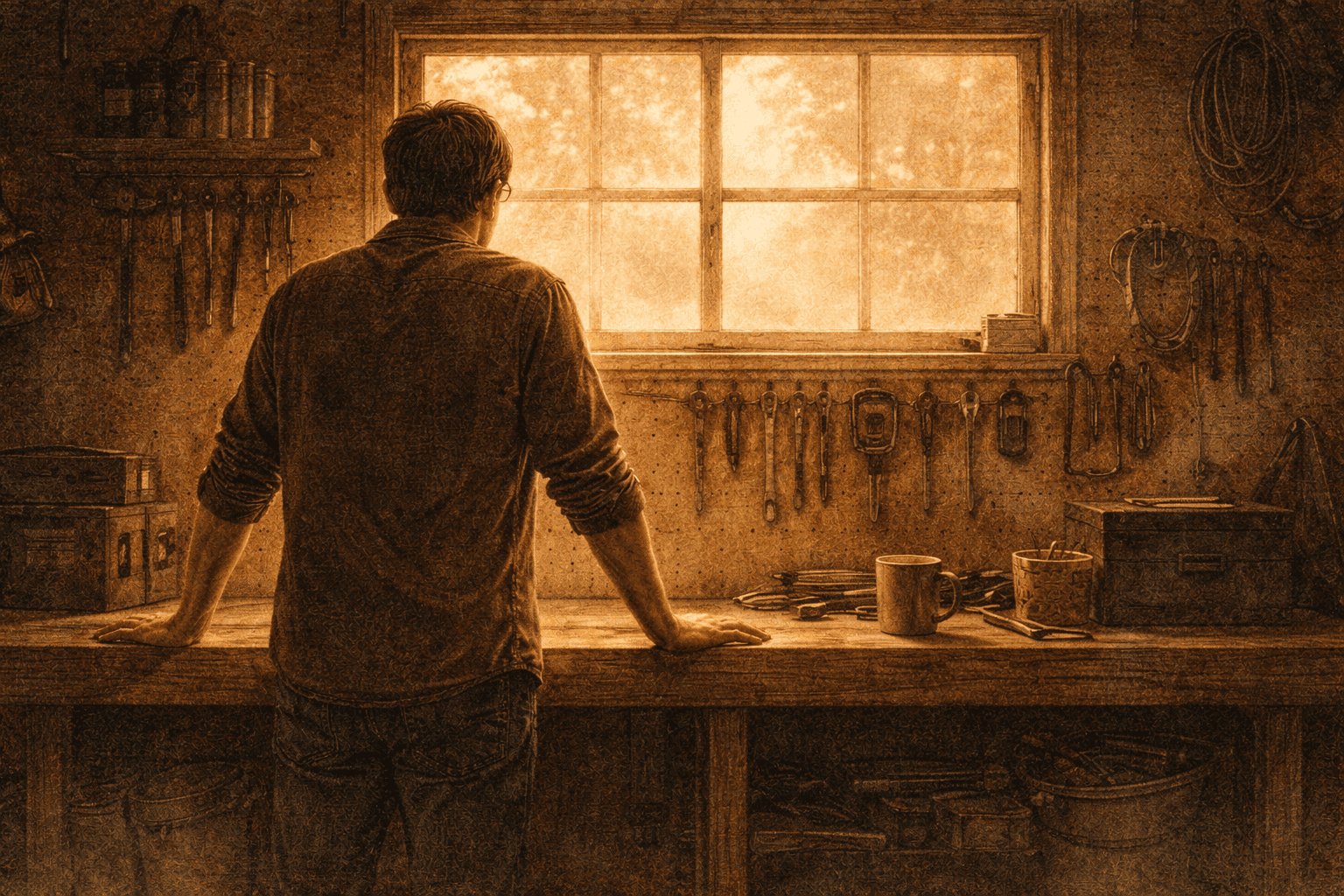
You didn't get clean by accident.
It took everything you had. The withdrawal. The program. The days you wanted to leave but didn't. The slow, grinding work of learning to live without the thing that had become your oxygen.
But here's what nobody warned you about: the systems that got you clean aren't the same systems that will keep you free.
And if you haven't figured that out yet, you're probably white-knuckling it right now. Doing the meetings. Saying the right things. Wondering why sobriety still feels like survival instead of a life.
I sat down recently with my friend Robert Grant. Between the two of us, we've got 33 years of walking this out. Not theory. Not what we learned in a book. Actual years of waking up, fighting the old patterns, building something new, and staying free.
What we talked about wasn't complicated. But it was the difference between people who stay stuck and people who build lives worth living.
The Hardest Part Isn't Getting Clean
Here's the uncomfortable truth: getting off drugs was the beginning, not the end.
Robert put it this way: "You can never encourage a man enough. Nobody's going to say you're encouraging me to death."
That stuck with me because it points to something most recovery programs miss entirely. We spend months, sometimes years, focused on what we're leaving behind. The drugs. The lifestyle. The destruction. But what are we running toward?
A military leader named Jocko Willink once said, "You rarely rise to the occasion. You fall to the level of your training."
That's it. That's the whole game.
When life hits-and it will-you won't suddenly become more spiritual. You won't magically find strength you never built. You'll default to whatever patterns you've established. If those patterns are new, you'll stay standing. If they're not, you know exactly where you'll end up.
I learned this three weeks after leaving Teen Challenge. My grandmother died. The woman who had been a pillar of faith in my family. Everyone said the right things. "She's with the Lord." And while that was true, it didn't erase the grief that wanted to swallow me whole.
That same night, I had two invitations. An ex-girlfriend reached out. And a friend invited me to a worship concert.
Two paths. One decision.
I went to the concert. Not because I felt spiritual or strong. Because I had spent a year building a new system-one that said when pain hits, move toward God and people, not away from them.
The young woman driving us to that concert? I'm married to her now. Four kids. Nearly two decades later.
One decision. Built on one system. That's how this works.
Why Church Matters (Even When It Doesn't Feel Like It)
Robert said something that might make you uncomfortable: "The problem is you."
He wasn't being harsh. He was being honest. Because most of us have a list of reasons why we can't find community. The worship music isn't our style. The people don't understand our background. The church is too far away. Nobody shares our experience.
Robert is a Black man who has spent years in predominantly white church communities. He knows what it feels like to be the only one in the room who looks like him. And he said something that landed hard:
"My sobriety meant more to me than what others thought of me."
Read that again.
If you truly want what you say you want-freedom, wholeness, a life that means something-you'll put yourself in uncomfortable positions to get it. You'll stop waiting for the perfect church and start showing up somewhere. You'll trade the pity party for proximity to people who can help you grow.
The church isn't a building. It's people. And those people become the mirrors that show you who you're becoming-for better or worse.
The System Nobody Wants to Talk About: Receiving
Here's where it gets personal.
Robert grew up without a father. Spent years homeless, doing life by himself. And one of the hardest things he's had to learn in recovery isn't how to work hard or stay busy or prove himself.
It's how to receive.
"My issue is that I don't really receive help," he said. "I want to do it myself."
Sound familiar?
Addiction trains us to be radically self-reliant in all the wrong ways. We learn to hustle, manipulate, survive. We get good at needing no one. And then we come to Christ, get clean, and carry that same broken independence into our new life.
But Jesus modeled something different. He said, "I do what the Father does. I speak what the Father speaks. I do nothing on my own accord."
Nothing on His own accord. The Son of God.
If Jesus lived in constant dependence on the Father, what makes us think we can rebuild our lives alone?
The system that will keep you free requires learning to receive-from God, from mentors, from community. Not because you're weak, but because that's how the Kingdom works.
Identity: The Battle That Never Really Ends
Thirteen years into his recovery, Robert still wrestles with identity. And so do I.
This isn't failure. It's honesty.
The enemy has one primary strategy: convince you that you're still the person you used to be. Remind you of every failure. Whisper that the new life is temporary, that the other shoe will drop, that you're one bad day away from proving everyone right about who you really are.
Robert said it clearly: "What gets people the most in the relapse cycle is the loss of their identity."
So what do you do when the old identity keeps knocking?
You wash it with truth. Daily.
Robert has mentors who send him Scripture every morning. He reads it, even when he doesn't feel like it. And then he turns around and sends Scripture to 50 other people. Not because he's arrived, but because filling others from the overflow keeps him full.
That's a system. Not a feeling. A system.
"At first I was like, this is boring. Why do I have to do this every day?" Robert admitted. "But I also remembered that when I wasn't doing it, that's when I would slip and fall."
The boring disciplines are the ones that save your life.
What Are You Actually Feeding?
Robert's wife has a saying about the two wolves-one dark, one light. The question isn't which one is stronger. The question is which one you're feeding.
We know this instinctively. We know that what we consume shapes who we become. But in recovery, the application gets specific.
Are you feeding the spirit or the flesh?
Every scroll through social media, every conversation you entertain, every relationship you maintain-it's all feeding something. And whatever you feed grows stronger.
The old systems were built around feeding the addiction. The hustle for the next high. The lies to cover the tracks. The isolation that made it all possible.
The new systems have to be built around feeding your spirit. And that doesn't happen by accident.
It happens by decision. Repeated. Daily. Whether you feel like it or not.
The Comparison Trap
This one almost took me out.
Not drugs. Comparison.
Robert described watching other people's highlight reels on social media-the vacations, the promotions, the picture-perfect families-while sitting on his couch wondering why his life didn't measure up.
"I would often get locked up in my identity when I start looking at the lives of others, neglecting what I have right in front of me," he said.
People would tell him, "Rob, you have such a beautiful family. You have an amazing life." But he couldn't see it because he was fixated on what was missing-usually money, or the house he didn't own, or some other metric that had nothing to do with his actual freedom.
Here's the truth most of us don't want to accept: if you possess a relationship with the Creator of the universe, you possess something more precious than silver and gold.
But that truth has to move from your head to your heart. And that only happens when you stop measuring your life against everyone else's Instagram feed.
A Word to the Fatherless
Robert grew up without a dad. And he wanted to say something directly to anyone carrying that same wound:
"I want to let you know, if no one has told you in a very long time-I love you. You are loved. You are precious in His eyes."
Maybe you never heard "I'm proud of you" from the person who should have said it first. Maybe you're still waiting for affirmation that will never come from a human source.
You can't build your identity on what a broken person failed to give you. But you can receive what the Father has been offering all along.
His grace is sufficient. His strength is made perfect in weakness. And the systems you build in recovery? They're not about proving yourself. They're about creating space for God to reveal Himself.
The Secret Paul Learned
I keep coming back to Philippians 4:13. Everyone quotes it before doing something hard. Athletes. Addicts. All of the above.
But the real weight of that verse is in what comes before it:
"I have learned to be content whatever the circumstances. I know what it is to be in need, and I know what it is to have plenty. I have learned the secret of being content in any and every situation." - Philippians 4:11-12
Paul called contentment a secret. Something to be learned.
For years, I lived in crisis mode. Fighting with my back against the wall. Putting out fires. And when the fires stopped, I didn't know how to live in the peace. I'd unconsciously start new fires just to feel useful again.
Maybe you know that feeling. The restlessness when things are going well. The suspicion that calm won't last. The impulse to self-sabotage because chaos feels more familiar than stability.
That's not freedom. That's just addiction wearing a different costume.
Real freedom includes learning to rest. Learning to be steady. Learning that you don't have to prove anything to anyone-not even yourself.
Build the Systems Now
James wrote, "Consider it pure joy when you face trials of various kinds, knowing that the testing of your faith produces perseverance. Let perseverance finish its work so that you may be mature and complete, not lacking anything." (James 1:2-4)
Not lacking anything.
That's the promise on the other side of building these systems. Not a life without trials-James assumes the trials are coming. But a life where the trials produce something instead of destroying something.
The systems aren't complicated:
- Daily time in the Word. Not because it's magical, but because truth washes away lies.
- Community that knows your story. Not perfect people, but present people.
- Giving what you've received. Pouring into others keeps you from stagnating.
- Receiving help without shame. Independence is the old way. Interdependence is the Kingdom way.
- Guarding your inputs. What you feed grows stronger. Choose wisely.
None of this is glamorous. Most of it feels boring when you're doing it. But boring disciplines save lives.
The Starting Line, Not the Finish Line
Sobriety isn't the destination. It's the starting line.
If you've been clean for six months or six years and you're still waiting for life to feel normal, you might be missing the point. Normal was never the goal. Transformation was.
And transformation requires systems.
Not willpower. Not one good decision. Systems-repeated patterns that shape who you're becoming whether you notice it or not.
Robert and I have a combined 33 years of learning this the hard way. We haven't arrived. We're still figuring it out. But we've learned enough to know that the people who stay free are the ones who build their lives around practices that sustain freedom.
Not perfectly. Not without struggle. But consistently.
That's the invitation. Not to be perfect, but to be intentional. To stop waiting for motivation and start building structures. To recognize that the life you want on the other side of this isn't going to materialize by accident.
You have to build it. One system at a time.
For more on building a life after addiction, explore the complete guide to rebuilding life after addiction.
Related reading: What Happens When Treatment Ends | Sustaining Sobriety Beyond Rehab | When Sobriety Isn't Enough
Hear more on our podcast: How I Stayed Clean for 13 Years
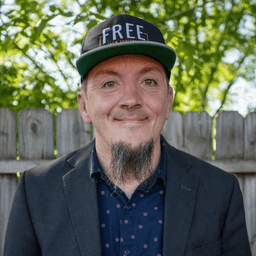
Justin Franich
Justin Franich is a Teen Challenge graduate who overcame a meth addiction and has been clean since 2005. He spent over a decade leading Christ‑centered recovery programs and now serves as Executive Director of Shenandoah Valley Adult Teen Challenge, helping families find the right path forward and supporting people as they rebuild life after addiction.
Read my story →Still rebuilding? You're not alone.
I send weekly encouragement for people walking through the hardest season of starting over.
You can unsubscribe anytime.
Related Articles
Who Am I Without the Drugs? Finding Identity After Addiction
Sober but lost? The identity crisis after getting clean is real. Learn how to move from "reformed addict" to knowing who you are in Christ.

How to Make Amends in Recovery (And Forgive Yourself)
A practical guide to making amends in addiction recovery: who to approach, what to say, when to let go, and how to forgive yourself when the guilt lingers.
When Recovery Hurts More Than Addiction
Nobody told me recovery might hurt worse than addiction. At 3 AM with drug dreams and racing thoughts, I was mad at myself, mad at everyone, and angry at God. The pain almost broke me before I realized it was actually healing me.
Setbacks in Recovery: What to Do When Progress Stalls
Setbacks happen in recovery. A setback doesn't mean failure-it means you're human. Here's what to do when progress stalls, whether you're the one struggling or the one watching someone you love.