After Recovery
How to Prevent Relapse: The Real Secret Nobody Talks About
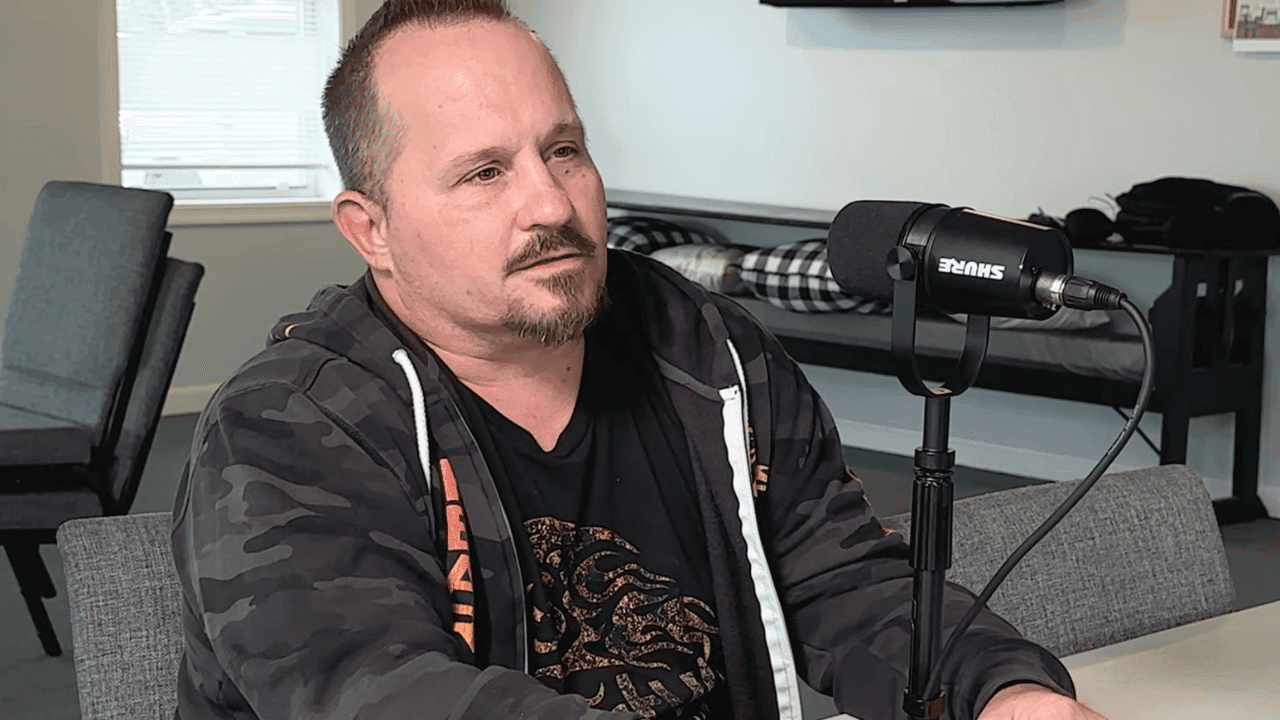
Rob Reynolds was a drug addict for seventeen years. Heroin. Crack. Needles. Robberies. Prison. Heavy psych meds. Blackouts. A family torn apart. Diagnosed with bipolar, manic depression, paranoia, and more. He'd crossed every line he swore he'd never cross.
Then November 20, 2010, in the depths of a West Virginia prison, Rob had a tangible encounter with Jesus Christ.
Since that day, he hasn't relapsed. Not once in over fourteen years. No cravings. No white-knuckle sobriety. No desire to use.
When he told me that, I'll be honest, part of me wanted to dismiss it. I've worked in recovery ministry for over twenty years. I've seen the stats. I've watched people with incredible testimonies fall apart six months later. I've taken calls from families celebrating their child's return and calls telling me they won't need a program anymore because their child didn't make it.
But I've also seen what Rob's talking about. I've lived it myself.
When Sobriety Isn't Enough: Moving from Clean to Free
So here's the question that haunts everyone in recovery: What did Rob get right that so many others get wrong?
The Problem with How We Talk About Relapse
Relapse is treated as an inevitable part of recovery in most programs. They build it into the process. Prepare for it. Normalize it.
But what if God never intended relapse to be part of your story?
I'm not saying this to pile shame on anyone who has stumbled. Grace is real. Mercy is available. The door is always open. But somewhere along the way we started treating relapse like a rite of passage instead of the tragedy it actually is.
Rob's story challenges that assumption. And the reason matters more than the result.
Rob's Descent
Rob grew up in Martinsburg, West Virginia, surrounded by addiction. His parents were deep in drugs and alcohol. He assumed that was his future too. One praying grandmother offered the only glimpse of faith he ever knew as a kid. Marriage didn't change the trajectory. Back surgeries led to OxyContin. Then heroin. Then needles. Then crack. Then robberies of stores, a bar, even a man outside a shop.
In 2007, convicted on three counts, Rob received a 10-year flat prison sentence.
He ended up at Huttonville. Lost years to blackouts. His oldest daughter, around fourteen at the time, wrote him a letter saying she was done. Didn't want to talk to him anymore.
That was his rock bottom.
"I finally decided I got to do something," Rob told me. "My way's not working. I remember when I was a kid saying I wouldn't be like my dad. And I wound up way worse than my parents ever were."
The Encounter That Changed Everything
Two men at Huttonville, Rocky and Mark, kept sharing the gospel with Rob. He watched them for months. Told them to get lost with the Jesus stuff. Everybody in prison tries to hand you a Bible.
But he couldn't shake what he saw in them. Rocky was consistently happy. Mark had a peace Rob couldn't explain.
They invited him to a Kairos prison retreat. The catch was good food and free cookies. Rob went for the cookies.
What happened there wasn't a decision. It was an encounter.
"I saw my old self laying there dead," Rob told me. "I knew everything, bipolar, addiction, mental illness, all of it left me. I was born again into a new bloodline."
Here's what most people miss: there's a difference between describing the ocean and standing in it. You can tell me the waves come in. The sand feels squishy. Shells come and go. Sounds nice. But when you're actually standing there, everything changes.
Rob didn't just say a prayer. He met Jesus. And that encounter became the foundation for everything that followed.
The Secret to No Relapse
When I asked Rob how he's stayed free for over fourteen years, his answer wasn't what I expected. No twelve steps. No accountability group secrets. No white-knuckle willpower.
"It's the constant relationship with the Lord," he said. "Not just church services. The encounter first. Then transforming your mind to really believe who you are in Christ."
Here's the framework he gave me:
The encounter has to be real. Not a prayer repeated. Not an emotional moment at camp that fades by Tuesday. A tangible, life-altering meeting with the living God. You can fake a lot of things in Christianity. You can't fake this.
The old man has to die. Rob said he knows the day he died. November 20, 2010. The old Rob, with all his baggage and broken DNA, ceased to exist. "I now have a new bloodline," he said. "And in this bloodline there's no alcoholism. No drug addiction. No mental illness. I'm different."
This isn't positive thinking. This is 2 Corinthians 5:17: old things pass away, all things become new. Finding Your Identity in Christ
The mind has to be renewed. Addiction isn't just a behavior problem. It's an identity crisis. Every addict Rob has worked with, every one, deals with insecurity, low self-esteem, or a fundamental confusion about who they are. The drugs are the symptom. The root is deeper.
The cure isn't behavior modification. It's believing who you are in Christ. Really believing it. Not t-shirt believing. Not coffee mug believing. The kind of believing that changes how you respond when life hits hard.
The Word has to become practice. Rob told me he used to write Proverbs 3:5-6 on paper and put it in his shoes. Then he'd literally stand on it in courtrooms while fighting for custody of his kids. Sounds crazy. But the Word is living and active, and Rob learned to act on it.
When he faced nine months of court dates with everyone against him, cops on one side, his ex-wife on the other, a judge in the middle, he stood on that scripture and didn't fight back. Owned his past. Showed he'd changed. The judge gave him partial custody on the first round.
That's when the Word went from theory to testimony.
What This Means for You
If you're in recovery, or you love someone who is, here's what Rob's story teaches us:
Seek a real encounter, not a religious experience. Programs are helpful. Systems matter. But nothing replaces actually meeting Jesus. Pray for it. Position yourself for it. Don't settle for church attendance when the living God wants to make Himself known.
Stop identifying with your old life. The secular recovery world tells you that you'll always be an addict. That it's in your genes. That the best you can hope for is management. Scripture says something different. You died. You were reborn. Act like it.
Deal with the roots, not just the symptoms. What's driving the addiction? Insecurity? Shame? A warped view of the Father? Find the scriptures that speak to those specific lies and stand on them until they become truth in your bones.
Stay close. Rob doesn't stay sober by gritting his teeth. He stays free by staying near. When temptation comes, he doesn't just resist. He runs to the Father. Worship music. Prayer. Face on the floor if he has to. The answer isn't more willpower. It's more presence.
Give it away. Freedom that stays in your pocket eventually rots. Rob pastors a church now in Augusta, West Virginia. He works with Adult Teen Challenge. He travels sharing his story through The Way Ministries. The freedom grows as he gives it away.
The Invitation
Rob asked me a question I haven't been able to shake: "Why would I go back to that knowing what I have now? Jails, institutions, and death on one side. Abundant life on the other. It's not even a close call."
He's right. It's not.
But here's the thing. You have to taste the abundant life to know it's real. You have to have the encounter before the transformation. You have to believe who you are before you can walk in who you're becoming.
If you're reading this and you're tired of relapsing, tired of the cycle, tired of managing something that was meant to be killed at the cross, I want you to know there's another way.
Not a program. Not a system. Not a technique.
A Person.
His name is Jesus. And He's still in the business of making dead men walk.
Rob Reynolds is a pastor and traveling evangelist based out of Augusta, West Virginia. After seventeen years of addiction and prison, Rob encountered the grace of God and was radically transformed. He now leads The Way Ministries and at the time of the interview was working with Adult Teen Challenge of Maryland, guiding others on the path to lasting freedom.
Hear more on our podcast: How I Stayed Clean for 13 Years
Justin Franich
Justin Franich is a Teen Challenge graduate who overcame a meth addiction and has been clean since 2005. He spent over a decade leading Christ‑centered recovery programs and now serves as Executive Director of Shenandoah Valley Adult Teen Challenge, helping families find the right path forward and supporting people as they rebuild life after addiction.
Read my story →Still rebuilding? You're not alone.
I send weekly encouragement for people walking through the hardest season of starting over.
You can unsubscribe anytime.
Related Articles

5 Biblical Steps to Restore Broken Relationships
Addiction, betrayal, years of silence; broken relationships feel permanent. But Scripture gives an actual path back. Five steps from humility to restoration, from someone who's walked it. (
Setbacks in Recovery: What to Do When Progress Stalls
Setbacks happen in recovery. A setback doesn't mean failure-it means you're human. Here's what to do when progress stalls, whether you're the one struggling or the one watching someone you love.

Your Past Wasn't Wasted: God Redeems Your Story
What you lost to addiction, God can restore through your children. Here is how your story becomes their inheritance.

Should I Date During Recovery?
No one wants to be alone. But a good thing at the wrong time can become destructive. Dating in recovery comes down to two questions: who and when. Get them both right, and relationships become gift instead of risk.