Getting Help
How to Start a Recovery Ministry at Your Church
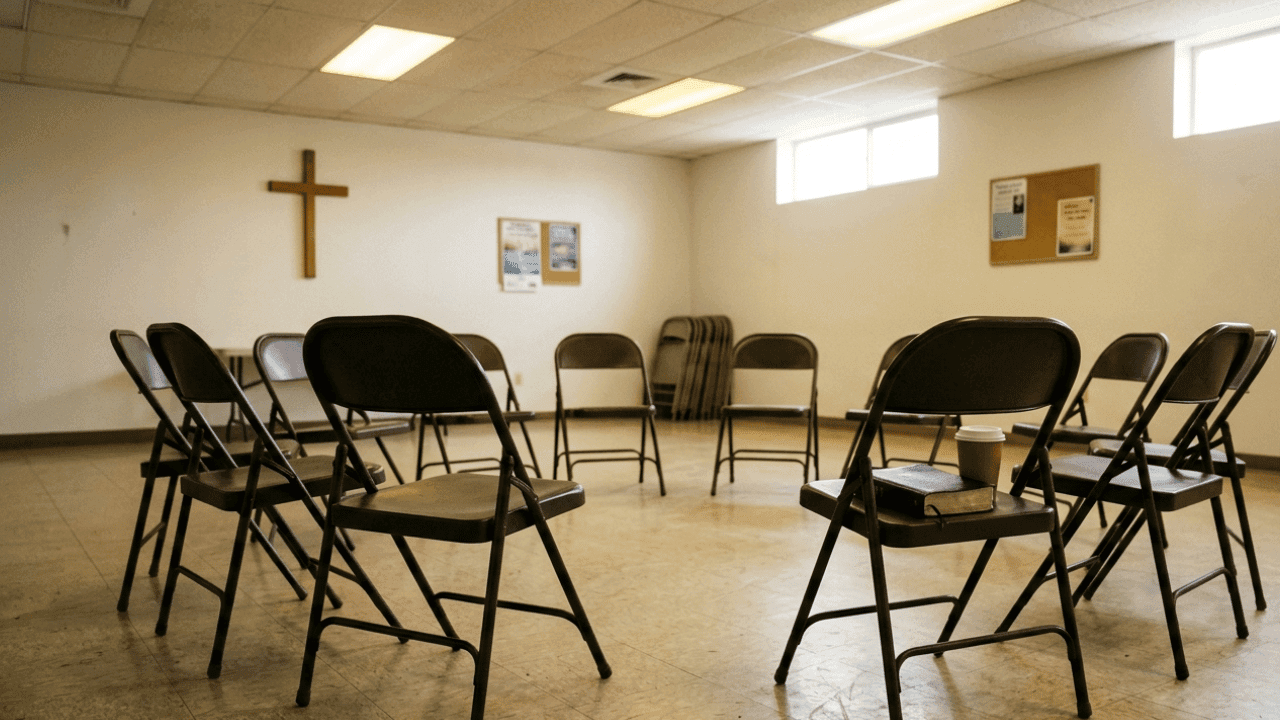
Nobody's going to roll out a pizza party and attract people into recovery. Jason Stuhlmiller, who helps lead a prayer and discipleship ministry called The Table 61 in Harrisonburg, Virginia, was sitting in a church evangelism committee meeting when they asked how to reach people. "Do you think if we offer hot dogs or pizza after service, that will attract them?"
His answer was blunt: "No. The strategy is we need to go to where those people are and build relationships. It's a relationship that's going to get them in the door."
If you're a pastor or church leader considering how to start a recovery ministry at your church, that sentence is the foundation of everything that follows. Recovery ministry doesn't begin with a curriculum or a budget line. It begins with a decision to go where the pain is and stay there long enough for people to trust you.
What follows is the honest version. The real costs, the real models, the real reasons churches hesitate, and a practical path forward for the church that's ready to stop talking about it and start.
Why Most Churches Don't Have a Recovery Ministry (And Why That Needs to Change)
Let's name the elephants.
Fear of liability. Pastors worry about what happens when an active addict walks through the doors. What if they relapse in the building? What if they steal from the offering? What if they bring substances on campus? These concerns are legitimate. They're also manageable. And they cannot be the reason the church stays silent on the most devastating public health crisis in a generation.
Lack of experience. Most seminary programs don't teach addiction ministry. Most church staffs don't include anyone with lived recovery experience. The gap between wanting to help and knowing how to help feels enormous.
The "it's not our problem" myth. I'd say to any pastor who thinks addiction isn't in their congregation: it is. Statistically, 10% of any congregation is affected by substance abuse, either directly or through a family member. You're already dealing with it. You're just not talking about it.
Rob Grant, who works in recovery ministry, put the disconnect bluntly: "We're so fixated and focused on worrying about what other people say through the connectivity that we've neglected our home." The church that won't address addiction isn't avoiding a problem. It's ignoring people in its own pews.
The Three Models Worth Considering
You don't need to build a residential program. You don't need to buy a building. You need a model that fits your church's size, capacity, and context.
Model 1: Celebrate Recovery (Structured, Curriculum-Based)
Celebrate Recovery is a Christ-centered 12-step program designed to run inside a local church. It comes with a proven curriculum, four workbooks, a leadership structure, and a community of thousands of churches already running it.
Joel, who went through Teen Challenge and then found lasting community through CR, said something that stuck with me: "Just because we give our heart to God does not mean we're absolved from all the baggage that we carried and developed through our addiction." CR gave him the structure to process that baggage in a safe, ongoing environment, something the Sunday morning service alone couldn't provide.
What CR looks like in practice:
- Weekly large group teaching followed by small group breakout sessions
- Gender-specific small groups (men with men, women with women)
- A structured curriculum that walks participants through self-inventory, amends, forgiveness, and spiritual growth
- Open to anyone with a "hurt, habit, or hang-up," not just substance abuse
Who it's for: Churches of any size that want a turnkey program with established materials and training. CR has a national network, annual conferences, and regional support.
The honest cost: Curriculum materials, leader training (usually a conference), and a dedicated night of the week. The bigger cost is leadership bandwidth. CR needs a champion on your staff or in your volunteer base who will own it.
Model 2: Community Discipleship (Relational, Organic)
This is what Jason Stuhlmiller and his wife Crystal built with The Table 61 in Harrisonburg. Not a program. A community. A place where people show up, pray together, and do life together over time.
Jason described the philosophy: "Everybody has a seat at the table. As the Lord speaks to everyone's heart, it's our job to contribute and bring that to the table." The discipleship happens in relationship, not through a workbook.
What it looks like in practice:
- Regular gathering for prayer and worship (could be weekly or bi-weekly)
- One-on-one discipleship relationships where mentors meet with people in recovery
- Compassion ministry (feeding the homeless, going to where people are)
- No formal "graduation." People stay as long as they need the community.
Who it's for: This isn't a recovery program; it's a community discipleship model. But for churches that aren't ready to launch a recovery-specific ministry, a community like this can be a great place for folks in recovery to get plugged in. They don't need a separate program to belong. They just need a table with room for them.
The honest cost: This model runs on people, not programs. You need 3-5 committed volunteers who will show up consistently for a year or more. Consistency matters more than curriculum. If your volunteers burn out in three months, the ministry dies with their energy.
Model 3: Partnership with an Existing Recovery Organization
Not every church needs to build its own program. Some churches serve their communities best by becoming a referral partner with an established recovery organization.
This looks like: hosting a monthly support group for families of addicts, providing meeting space for an existing CR or NA group, becoming a referral point for programs like Teen Challenge, or supporting a local sober living home with volunteers and resources.
Rob Reynolds went from incarceration to leading a recovery house and now ministers in churches across the region. One church partnership changed an entire jail system. A pastor connected him with an opportunity to lead Bible studies inside the local jail. What started as one weekly meeting turned into something Rob calls a full revival. Men were getting saved. Guards were participating. The warden was opening doors. Jesus was showing up in a place most churches pretend doesn't exist. It started because one church said yes.
Who it's for: Churches that lack the bandwidth for a full program but want to be actively involved. Also smart for churches in areas where a strong recovery ministry already exists.
The honest cost: Financial support (monthly donations to the partner organization), volunteer hours (driving people to programs, showing up at events), and the willingness to receive recovering addicts into your Sunday congregation without treating them as projects.
How to Pitch It to Your Church Board
This is where most recovery ministry ideas die. The vision is clear. The pastor is motivated. And then the board meeting happens.
1. Lead with data, not emotion. "One in ten people in our congregation is affected by addiction" lands harder in a board meeting than "I feel called to this." Research your county's overdose statistics. Know how many people died from fentanyl in your zip code last year. Make it local and specific.
2. Start small and prove it. Don't ask for a $50,000 budget and a building. Ask for permission to run a six-month pilot. A Tuesday night meeting. One room. Five volunteers. A stack of CR materials. If the board sees fruit in six months, the next conversation gets easier.
3. Address the liability concern directly. Talk to your church's insurance provider before the board meeting. Most church liability policies can accommodate recovery ministry with minor adjustments. Have that answer ready.
4. Bring someone with lived experience. If you have a member of your church who has walked through recovery and is willing to share their story with the board, that testimony does more than any PowerPoint.
5. Name the cost of doing nothing. The cost of ministry nobody talks about is real. But there's also a cost to inaction. Every month your church doesn't address addiction, families in your pews are silently drowning. Some of them will leave. Some of their loved ones will die. That's the math, and the board needs to see it.
The Four Things Every Recovery Ministry Needs to Survive
Regardless of model, these are non-negotiable:
1. A Leader Who Won't Quit in Year Two
Recovery ministry is slow. The first year feels like throwing seeds on concrete. The second year, you'll wonder if any of it is working. By year three, if you've been consistent, you'll start to see the fruit.
Rob Grant talked about the emotional toll candidly. He was filling his calendar with meetings and commitments because he couldn't say no, and it was bleeding into his home life. His wife was frustrated. His presence at home was physical but not real. Recovery ministry leaders burn out faster than almost any other ministry role because the need is overwhelming and the boundaries are thin. Margin matters. If your lead volunteer is running on fumes by month six, restructure before they flame out.
2. Clear Boundaries Between Ministry and Clinical Care
Your church is not a rehab facility. Know where your ministry ends and professional treatment begins. Maintain a referral list of detox centers and residential discipleship programs. When someone walks in who needs medical attention, the most spiritual thing you can do is get them to a doctor first. Then get them into a program where the real work can begin.
3. A Congregation That's Prepared
Before you launch, prepare your church body. Not with a single announcement from the stage. With honest conversations about what recovery ministry means for the culture of your church.
People in active addiction and early recovery don't always look, smell, or behave like the rest of your congregation. They may show up in clothes that don't match the dress code. They may say things in small group that make people uncomfortable. They may relapse and disappear for weeks before coming back.
The church should be the safest place to struggle. If your congregation isn't ready for that, the ministry will create friction instead of healing. Prepare them first.
4. Long-Term Pastoral Support
Recovery ministry cannot be a side project the senior pastor tolerates. It needs visible, consistent support from church leadership. That means the pastor mentions it from the stage. The elders pray for it publicly. The budget reflects it. When the congregation sees that leadership cares, they follow.
The First 90 Days: A Practical Roadmap
Weeks 1-2: Identify 3-5 committed people in your church who have either personal recovery experience or a deep burden for this ministry. Meet with them. Pray together. Decide on a model.
Weeks 3-4: Research. Visit a nearby church that runs Celebrate Recovery. Talk to recovery ministry leaders in your area. Contact organizations like SVTC or your local Teen Challenge about partnership. Get liability guidance from your insurance provider.
Weeks 5-6: Present a proposal to your church board. Keep it simple: what you're doing, who's leading it, what it costs, and what success looks like in six months.
Weeks 7-8: Order materials if using CR. Set up the room. Train your volunteers. Create a simple one-page flyer and distribute it to local counselors, probation officers, and hospitals.
Weeks 9-12: Launch. Expect 3-5 people the first night. Joel's experience with CR taught him that "recovery can be a very lonely road sometimes. All you have is God sometimes." The people who show up first are the ones who need it most. Serve them well.
The Question You're Really Asking
If you've read this far, you're not asking whether your church should do this. You're asking whether you're the person to start it.
The answer is probably yes. Not because you have all the answers. Because you have the burden. And that burden didn't come from nowhere.
David Wilkerson wasn't an addict when he started Teen Challenge. He was a country preacher from Pennsylvania who saw a magazine article about gang violence in New York City and felt the Holy Spirit say "go." He went. Jesus used that obedience to build 60 years of transformed lives.
You don't have to be in recovery to lead recovery ministry. You just have to be willing to go to where the pain is and stay. Partner with us if you want help getting started. We've walked this road and we know the terrain.
Need Help Now?
If you're a pastor or church leader ready to explore recovery ministry, reach out to us at SVTC or call 540-213-0571. We partner with churches across Virginia and can help you evaluate models, train volunteers, and build a sustainable ministry. You can also explore the complete Teen Challenge guide or read about the cost of ministry nobody talks about.
Listen to the Full Conversations
- "Ministry Isn't Easy. Here's What It's Really Like" with Rob Grant on home life, boundaries, and the real toll of this work.
- "What It's Like to Walk Through Celebrate Recovery" with Joel on the CR model, community, and uncovering root causes.
- "Building a Prayer Life That Lasts with The Table 61" with Jason Stuhlmiller on relational discipleship and going to where people are.
- "From Inmate to Minister: How Rob's Encounter Sparked a Jail Revival" with Rob Reynolds on church partnerships with recovery organizations.
Justin Franich
Justin Franich is a Teen Challenge graduate who overcame a meth addiction and has been clean since 2005. He spent over a decade leading Christ‑centered recovery programs and now serves as Executive Director of Shenandoah Valley Adult Teen Challenge, helping families find the right path forward and supporting people as they rebuild life after addiction.
Read my story →Ready to take the next step?
We help families find the right program. Free. Confidential. No pressure.
Talk to Us →Or call: 540-213-0571
This page came out of real ministry, not internet theory. We take the calls, help families think clearly, and point people toward Christ-centered programs that can actually walk with them. If that matters to you, help us keep doing it for the next family.
Related Articles

How to Tell If My Loved One Needs a Program
The holidays can make addiction impossible to ignore. But knowing when a program is necessary-and when it's actually possible-requires asking the right questions about both need and timing.
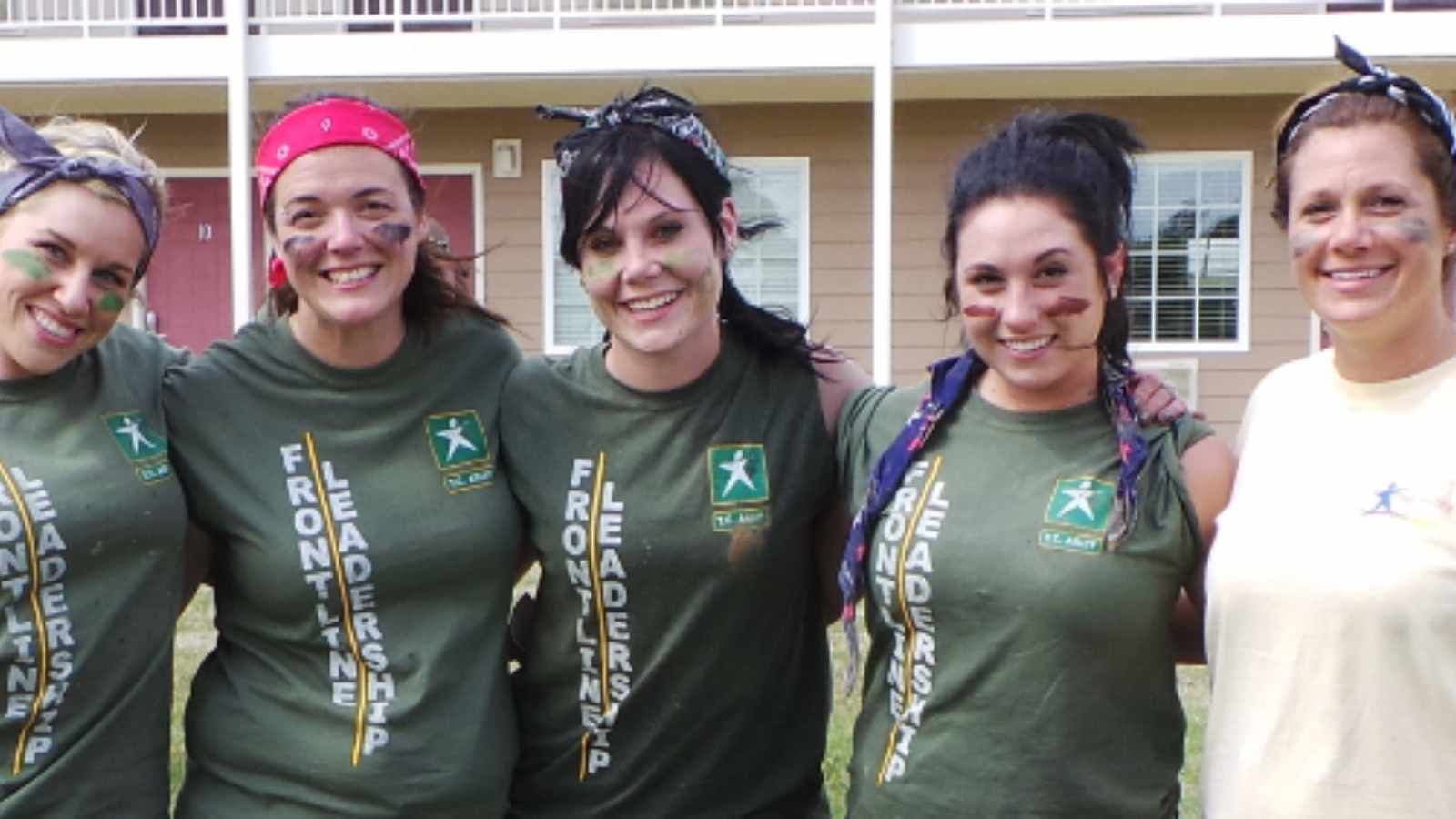
Teen Challenge for Women in Virginia: What to Know
A firsthand account of launching and leading a Teen Challenge women's home in Virginia, including daily life, challenges, and long-term impact on families.

Teen Challenge Donations: Where Your Money Goes
Teen Challenge donations fund time. Time for someone to stabilize, for truth to take root, for discipleship to form a real man or woman of God.

Life After Rehab: What Happens When Treatment Ends
Most people relapse after treatment, not during it. This article explores what the first year of life after rehab actually looks like and why sobriety is only the starting point.